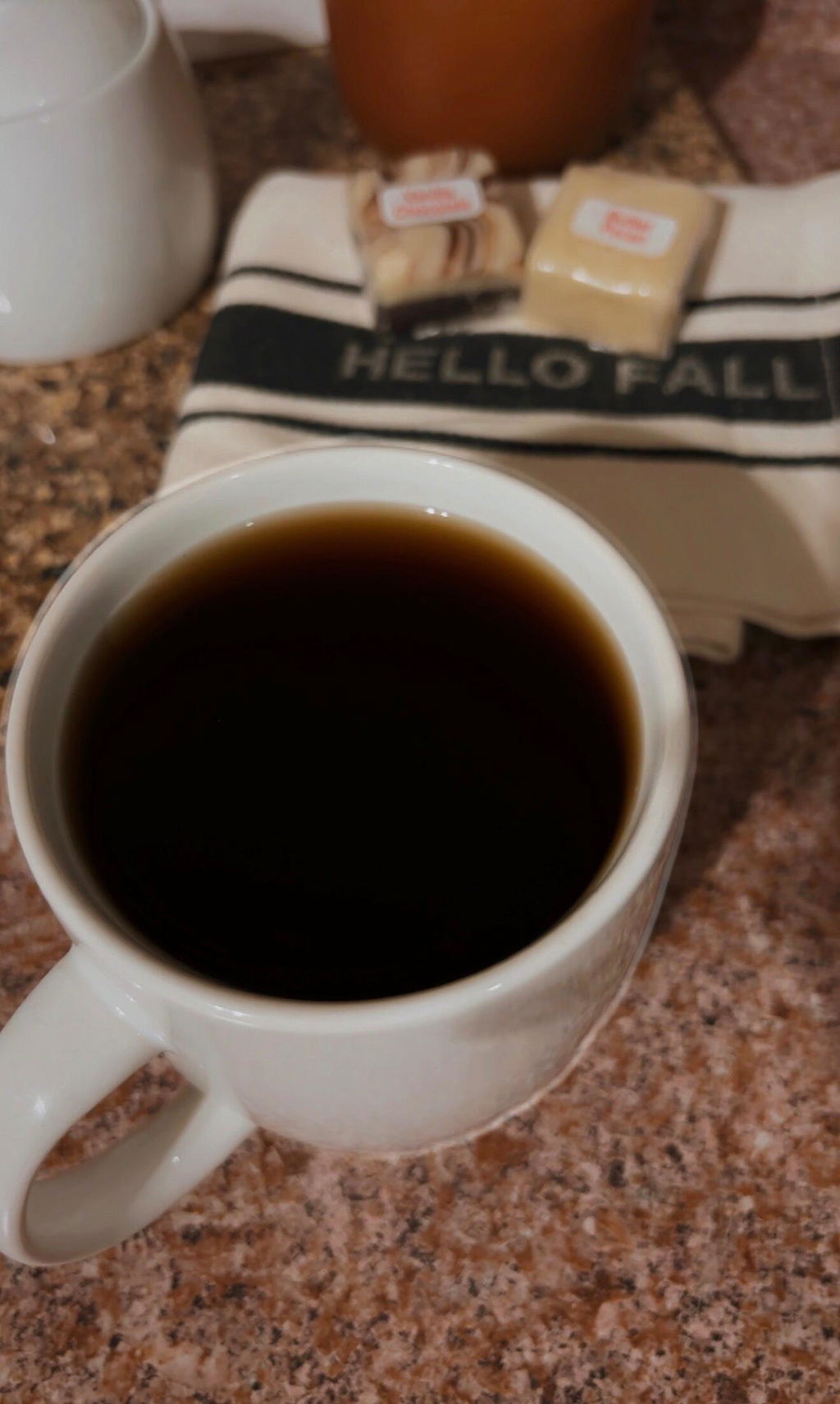
The kettle clicks off, your inbox is already moving, and coffee may feel like more than you need. Black tea is the steady middle ground: full-flavored, comforting, and caffeinated enough to help you focus without turning a simple break into a production.
It works before a commute, beside a late breakfast, or in a mug during an afternoon work block. The best part is that it does not ask for much. Good leaves or bags, fresh water, the right steep time, and a cup you actually want to reach for are enough.
What makes black tea different?
Black tea comes from the same Camellia sinensis plant as green, white, and oolong tea. The difference is how the leaves are processed. Black tea leaves are fully oxidized, which gives them their darker color, deeper body, and familiar malty, brisk, or slightly fruity flavor.
That makes it one of the most flexible teas to keep at home. Some cups are clean and bright. Others are rich enough for milk and sweetener. Some taste great hot, while others stay flavorful over ice. There is no single right kind of black tea, which is useful when your routine changes from day to day.
Black tea also contains caffeine, though the amount varies by tea, portion size, water temperature, and steep time. In general, it lands below a standard cup of coffee but above most herbal teas, which naturally contain no caffeine. If coffee is your full-volume morning option, black tea can be the more measured choice for a second cup or a late-day reset.
Choosing a black tea you will actually drink
Start with flavor, not a complicated tea vocabulary. If you want a classic, no-fuss cup, choose a traditional breakfast-style blend. These teas are usually bold, balanced, and built to stand up to milk. They are a solid fit for mornings, breakfast sandwiches, or any day when you want your tea to taste like tea.
If you prefer something brighter, look for teas with citrusy, floral, or lightly fruity notes. Earl Grey is a common example, with bergamot adding a clean, fragrant edge to the base tea. It can be great plain, with a little honey, or chilled over ice.
For a rounder, more naturally sweet profile, try a black tea with honeyed, cocoa-like, or stone-fruit notes. These can be especially good for an afternoon cup when you want flavor without adding much to it. A little experimentation is part of the point. Tea is not a test, and you do not need to know every region or processing term to find a favorite.
Loose-leaf tea can offer more room for leaves to open and release flavor, while tea bags win on speed and cleanup. Neither choice is a personality trait. Keep bags for rushed weekdays and loose leaf for slower mornings if that setup makes sense for you.
How to brew black tea without bitterness
Most disappointing black tea comes down to water that is too hot for too long, or a steep that gets forgotten while you answer one more message. Black tea can handle hot water, but it still benefits from a little attention.
Use fresh water and bring it close to a full boil. Pour it over the tea, then steep for about three to five minutes. Start at three minutes if you like a cleaner, lighter cup. Move closer to five minutes if you want more body or plan to add milk. If the tea tastes harsh or dry on your tongue, shorten the next steep before you decide the tea is not for you.
A simple starting point is one tea bag or roughly one teaspoon of loose leaves per 8-ounce cup. Bigger mugs need more tea, not just more time. Extending the steep to compensate often creates bitterness, while using enough tea keeps the flavor fuller and more balanced.
Milk can soften tannins and give black tea a smoother, richer feel. Whole milk, oat milk, and half-and-half all work, depending on how creamy you want the cup. Sugar, honey, maple syrup, or a flavored syrup can add sweetness, but begin with less than you think. You can always add more. A tea with good natural flavor should still taste present after your add-ins go in.
Make iced black tea with purpose
Iced tea should not taste like watered-down hot tea. Brew it slightly stronger than usual, then pour it over plenty of ice. For a quick single serving, use two bags in an 8-ounce amount of hot water, steep for three to four minutes, remove the bags, and pour over ice in a larger glass.
For a pitcher, steep several bags in hot water, then dilute with cold water after removing the bags. Let it chill fully before deciding whether it needs lemon or sweetener. Lemon gives the tea a sharper, brighter finish. Peach, mint, or a splash of simple syrup can take it in a more relaxed direction.
Build a routine around the cup
The easiest ritual is the one that fits the life you already have. Put your tea where you can see it. Keep a favorite mug near the kettle. If you work from home, use the time it steeps as a small break from the screen instead of another task to rush through.
Black tea can also be a useful handoff between parts of the day. Coffee in the morning, tea after lunch. A bold breakfast blend before a study session, then a decaf option at night if you want the comfort of a warm mug without the caffeine. The trade-off is simple: black tea is still caffeinated, so timing matters if you are sensitive to it or trying to protect your sleep.
If you are used to buying drinks out, making tea at home is an easy way to keep the ritual while dialing in your own preferences. Want it stronger? Add more tea. Want it creamier? Change the milk. Want a cold drink without a long wait in line? Keep a pitcher ready in the fridge. Small choices make the routine feel like yours.
At Z's Coffee, tea belongs in the same everyday space as a reliable coffee bag and the mug you use on repeat. It is not a backup plan for people who do not drink coffee. It is its own lane, with enough range to work for slow mornings, busy afternoons, and everything between.
A few common black tea questions
Does black tea have more caffeine than green tea?
Often, yes, but not always by a dramatic amount. Caffeine levels vary widely based on the leaves and how you brew them. Black tea is generally the better pick when you want a more noticeable lift, but it is not as predictable as a labeled energy drink or a measured coffee serving.
Can you steep black tea twice?
You can, especially with loose leaves. The second cup will be lighter and may need a little more steep time. It is worth trying with a tea you enjoy, though very fine leaves or standard tea bags may give up most of their flavor in the first steep.
Should black tea be stored in the refrigerator?
Keep dry tea in an airtight container in a cool, dark cabinet instead. Refrigerators can introduce moisture and food odors. Once brewed, refrigerate iced tea and enjoy it within a few days for the best flavor.
The right black tea is not necessarily the rarest or strongest one. It is the one you can make without thinking twice, drink without fixing, and look forward to when the day needs a better pause.