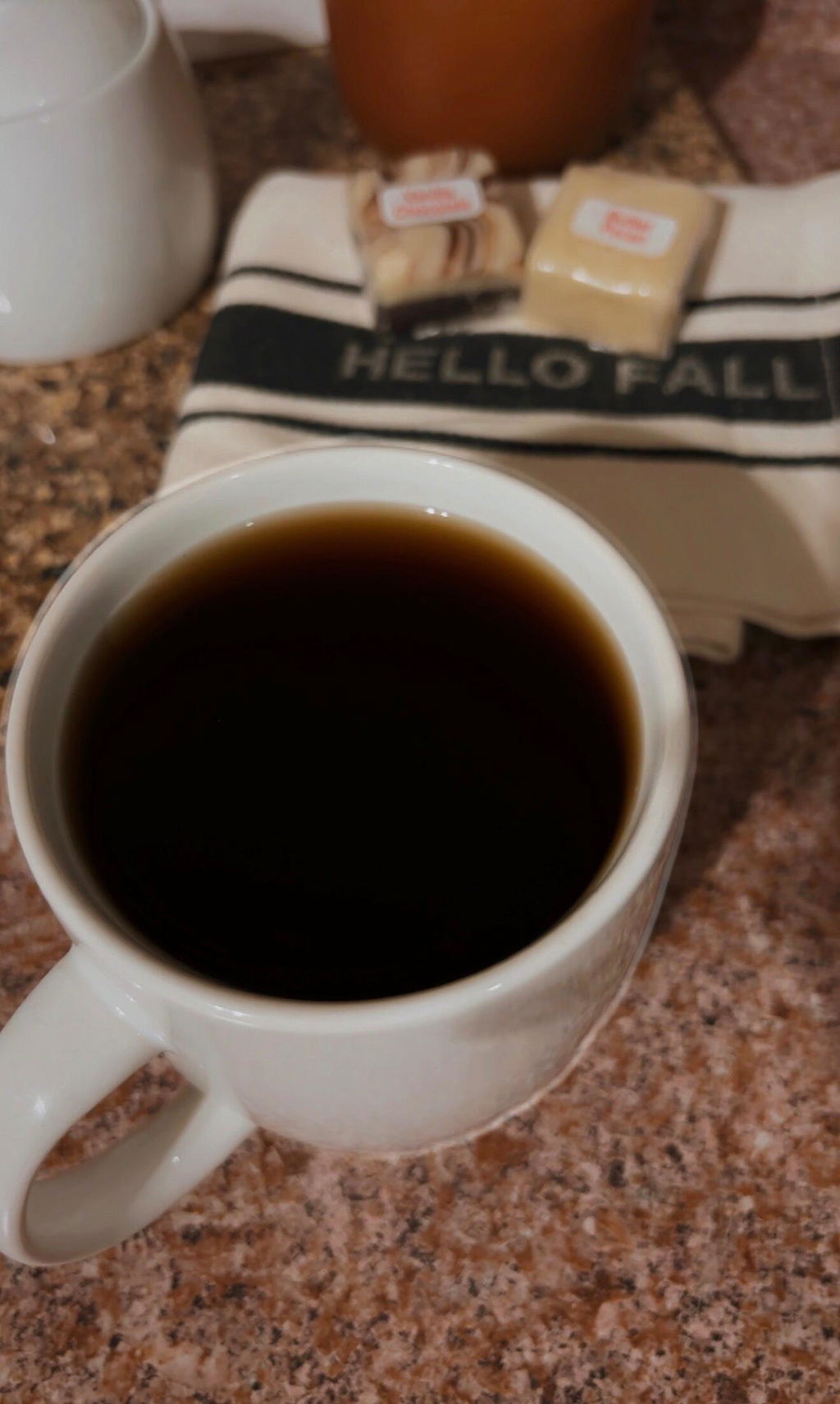
The right coffee beans can make a rushed Monday feel a little more put together. They can turn five quiet minutes before work into a real ritual. But finding a favorite should not require a dictionary of tasting notes or a counter full of half-used bags. Start with how you actually drink coffee, then choose from there.
For most people, the best coffee is not the most technical one. It is the one you look forward to brewing, whether that means a big mug at your desk, an iced coffee after the gym, or a slow weekend pour-over.
Start With Your Daily Cup
Before comparing origins or processing methods, think about the cup you make most often. Brewing method, add-ins, and timing all affect what will taste good to you.
If you drink coffee black, you may notice more of the bean’s natural character. A brighter cup can taste crisp, fruity, or lightly sweet. A deeper cup can bring cocoa, toasted nuts, caramel, and a fuller finish. Neither is automatically better. It comes down to whether you want a coffee that feels lively and clean or one that feels familiar and rich.
If you add milk, cream, or a sweetener, coffees with chocolatey, nutty, or caramel-like notes often hold their own especially well. They keep their flavor when mixed and tend to make an easy, comforting daily drink. That does not mean lighter coffee cannot work with milk. It simply may taste more delicate once you add it.
Iced coffee changes the equation too. Cold temperatures can soften sweetness and make bitterness stand out, so a coffee that tastes balanced hot may need a slightly bolder brew over ice. If cold coffee is part of your regular routine, choose beans you would be happy drinking strong.
Coffee Beans and Roast Level
Roast level is one of the fastest ways to narrow the field. It tells you how long the beans were roasted and gives a useful first clue about flavor, body, and acidity. It is not a quality ranking.
Light roast
Light-roast coffee beans usually keep more of their original character. Expect a lighter body, more noticeable acidity, and flavors that can lean citrusy, floral, fruity, or tea-like. They are a strong fit for people who enjoy black coffee and like noticing small differences from cup to cup.
The trade-off is that light roasts can feel less forgiving. If the grind or brew time is off, the cup may taste sour, thin, or underdeveloped. That is not a reason to avoid them. It just means a little consistency in your brewing setup helps.
Medium roast
Medium roasts sit in the everyday sweet spot for a reason. They often balance sweetness, body, and acidity without pushing too far in any direction. You may find notes like brown sugar, chocolate, nuts, fruit, or warm spice.
For a household with different coffee preferences, medium roast is often the easiest place to start. It works across drip machines, pour-overs, French presses, and many iced coffee recipes. It is also a comfortable choice if you drink some cups black and some with milk.
Dark roast
Dark roasts bring more roast-forward flavor: deeper cocoa, toasted sugar, smoky edges, and a heavier body. They can make an excellent bold morning cup and are often a natural match for espresso-style drinks or coffee with cream.
A darker roast does not always contain more caffeine. Caffeine differences between roast levels are generally small when measured by weight. The bigger difference is flavor. Choose dark roast because you want that fuller, deeper profile, not because you expect a major caffeine jump.
Freshness Matters More Than Fancy Packaging
Coffee tastes best when it is fresh, but “fresh” does not mean brewed the same day it was roasted. Beans need a short rest after roasting to release carbon dioxide. For many coffees, the sweet spot begins several days after the roast date and can continue for a few weeks or longer, depending on the coffee and storage.
Once you open a bag, air, heat, moisture, and light start working against flavor. Keep beans in an airtight container or their resealable bag, stored in a cool, dry cabinet. Skip the refrigerator. Coffee can absorb odors and condensation can damage the beans.
Freezing can make sense if you buy more than you will use in a few weeks. Divide the coffee into smaller airtight portions first. That way, you only thaw what you need instead of repeatedly warming and cooling the whole supply.
The goal is simple: buy an amount you can enjoy while it still tastes lively. A smaller bag that gets finished is usually a better move than a giant bag that sits around for months.
Whole Bean or Ground Coffee?
Whole bean coffee gives you more control and usually keeps its flavor longer. Grinding right before brewing preserves the aromatic oils that make a cup smell and taste fresh. If coffee is a daily ritual and you have room for a grinder, it is a worthwhile upgrade.
Pre-ground coffee is still a valid choice, especially when convenience matters most. A reliable scoop, fresh water, and a clean brewer will do more for your cup than overthinking every detail. The best setup is the one you will actually use before work, class, or your first meeting.
If you grind at home, match the grind to your brewer. A coarse grind works best for French press. A medium grind suits most drip machines. A finer grind is typical for pour-over and espresso-style brewing, though the right setting varies by equipment. When coffee tastes sour or weak, try grinding a little finer. When it tastes harsh, bitter, or dry, go slightly coarser.
A Better Way to Choose Your Next Bag
Coffee labels can offer useful clues, but they should not make the choice harder. Start with roast level and a flavor direction you already enjoy. If you like dark chocolate, toasted nuts, and a substantial cup, look for medium-dark or dark profiles. If you prefer berries, citrus, or a cleaner finish, try a lighter roast. If you want a reliable middle ground, medium roast is a smart first pick.
Then give yourself enough time with the bag. Your first cup may be brewed too strong, too weak, or with an unfamiliar water temperature. Make it two or three times before deciding. Small changes in grind, coffee amount, or brew time can shift the result more than you might expect.
Sample packs are useful when you are not sure where to begin. Instead of committing to one large bag, you can try several profiles and notice what disappears fastest from your shelf. That is better information than any complicated flavor chart. If one coffee has you reaching for a second cup, pay attention.
It also helps to keep your first comparison simple. Brew two coffees with the same method and similar ratios on different days. Notice body, sweetness, bitterness, and how the coffee tastes once it cools. You do not need perfect coffee vocabulary. “Bright,” “smooth,” “bold,” and “not for me” are all useful answers.
Build a Coffee Routine You Want to Keep
Great coffee does not need to turn your kitchen into a lab. Use clean equipment, filtered water if your tap water tastes off, and a ratio that suits your taste. A common starting point is about two tablespoons of ground coffee per six ounces of water, then adjust from there. More coffee creates a stronger cup; less creates a lighter one.
The ritual can be as simple as choosing a mug you like, setting out tomorrow’s beans, and taking one quiet minute before the day gets loud. At Z’s Coffee, that everyday approach is the point: coffee should fit your life, not demand that you rearrange it.
Your favorite beans may not be the ones with the longest description. They may be the bag that makes tomorrow morning easier to look forward to.