Tired of inconsistent coffee that never quite lives up to café quality? You’re not alone. Mastering the science behind brewing parameters transforms average cups into exceptional ones. This guide breaks down the precise variables that control flavor extraction, empowering you to brew barista-level coffee consistently at home. Whether you’re a home brewer or specialty coffee enthusiast, understanding these fundamentals unlocks your coffee’s full potential.
Table of Contents
- Prerequisites: What You Need To Start Brewing Like A Pro
- Step-By-Step Brewing Instructions: Achieving Perfect Extraction
- Common Brewing Mistakes And How To Fix Them
- Alternative Brewing Methods: Tradeoffs And Choices
- Expected Results And How To Measure Success
- Discover Quality Coffee And Brewing Gear At Z’s Coffee
- FAQ
Key takeaways
| Point | Details |
|---|---|
| Accurate measurement matters | Using a scale for coffee dose and water ensures repeatable strength and flavor every time. |
| Temperature controls extraction | Water between 92°C and 96°C pulls optimal flavor compounds without bitterness. |
| Fresh beans make the difference | Coffee roasted within two weeks delivers peak aroma and complexity. |
| Clean equipment prevents defects | Regular cleaning eliminates stale oils that ruin flavor and pose health risks. |
| Grind size adjusts extraction | Matching grind to brew method prevents sourness from under-extraction or bitterness from over-extraction. |
Prerequisites: what you need to start brewing like a pro
Before you brew your first exceptional cup, assembling the right tools makes precision possible. Quality equipment removes guesswork and delivers consistency that transforms your coffee routine.
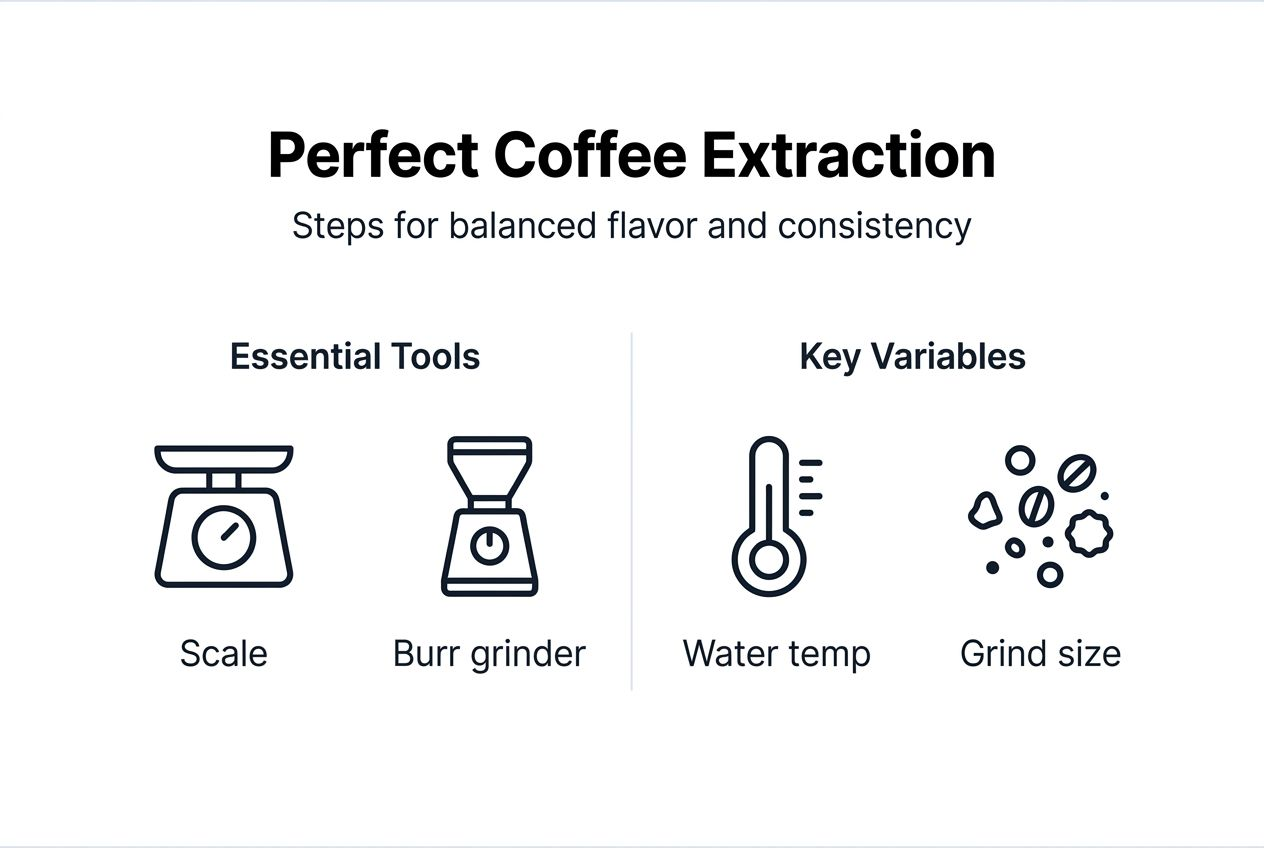
Start with a burr grinder. Blade grinders create uneven particle sizes that extract inconsistently, producing muddy or sour flavors. Burr grinders deliver uniform grounds that extract evenly, giving you control over the process. Pair this with a digital kitchen scale accurate to 0.1 grams. Volumetric measurements (scoops or cups) vary wildly based on grind size and bean density, while weight-based dosing ensures repeatability.
A temperature-controlled kettle is your third essential tool. Stovetop kettles rarely hit the sweet spot between 92°C and 96°C without constant monitoring. Electric kettles with precise temperature settings maintain optimal heat for proper extraction. Some models hold temperature for extended periods, perfect for multiple brewing sessions.
Freshly roasted beans within two weeks yield optimal flavor. Coffee begins losing aromatic compounds immediately after roasting. By week three, noticeable staleness creeps in. Purchase from roasters who date their bags and buy quantities you’ll finish quickly. Store beans in an airtight container away from light and heat.
Water quality matters more than most brewers realize. Tap water with high chlorine or mineral content distorts flavor. Filtered water with balanced mineral content (around 150 ppm total dissolved solids) extracts coffee compounds efficiently while maintaining clarity. Distilled water actually under-extracts because it lacks minerals that facilitate extraction chemistry.
Essential equipment checklist:
- Burr grinder (manual or electric)
- Digital scale (0.1g precision)
- Temperature-controlled kettle
- Fresh coffee beans (roasted within 14 days)
- Filtered water (balanced mineral content)
- Your preferred brewing device (dripper, French press, AeroPress)
| Equipment | Purpose | Impact on Flavor |
|---|---|---|
| Burr grinder | Uniform particle size | Prevents uneven extraction |
| Digital scale | Precise dosing | Ensures consistent strength |
| Temperature kettle | Controlled heat | Optimizes extraction range |
| Fresh beans | Peak aromatic compounds | Maximizes complexity |
| Filtered water | Balanced minerals | Enhances clarity and sweetness |
Pro Tip: Mark your coffee bag’s roast date and aim to finish it within 10 days of opening. Oxygen accelerates staleness once the bag is unsealed, even with careful storage.
Step-by-step brewing instructions: achieving perfect extraction
Precision in execution separates good coffee from transcendent coffee. Each parameter works together to control how water extracts flavors from ground beans.
1. Measure your coffee dose
Place your brewing device on the scale and tare to zero. Add coffee grounds to hit your target dose. For a standard 300ml cup, use 18-20 grams of coffee. This creates a foundation for balanced extraction within a coffee-to-water ratio of 1:15 to 1:17. Weight-based measurement eliminates the variability of scoops, which can swing 30% depending on grind size and how densely grounds settle.
2. Select the correct grind size
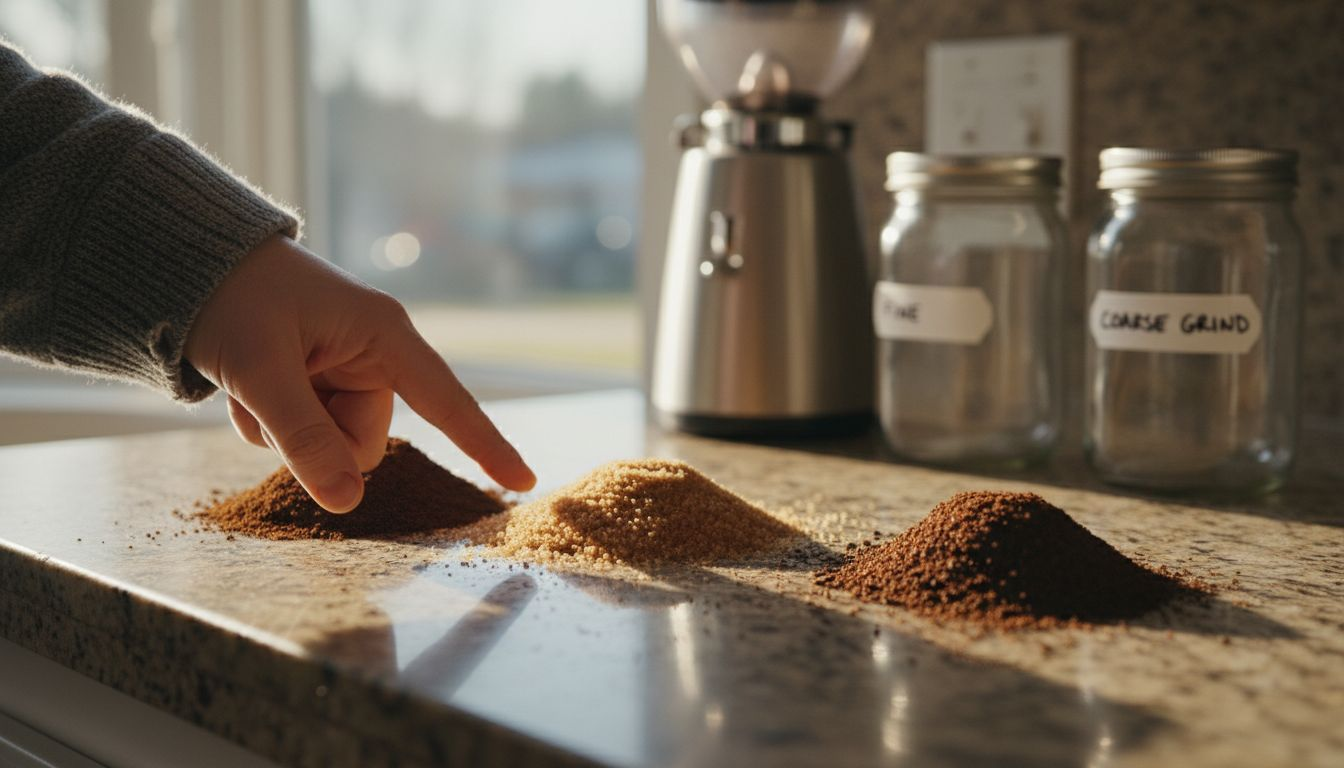
Match your grind to brew method. Pour-over requires medium grind (similar to granulated sugar) for 3-4 minute total brew time. French press needs coarse grind (like sea salt) to prevent over-extraction during its 4-minute steep. Espresso demands fine grind for 25-30 second extraction under pressure. Grind immediately before brewing since ground coffee loses aromatics 10 times faster than whole beans.
3. Heat water to the optimal range
Set your kettle to 93-94°C for light roasts, which need more heat to extract delicate flavors. Medium and dark roasts extract readily at 91-92°C. Water above 96°C pulls bitter, astringent compounds. Below 90°C results in weak, sour coffee that under-extracts. Optimal water temperature of 92°C to 96°C ensures you hit the extraction sweet spot.
4. Apply the correct coffee-to-water ratio
For balanced strength, use 1 gram of coffee per 16 grams (milliliters) of water. This 1:16 ratio produces a cup most palates recognize as properly concentrated. Adjust to taste: 1:15 yields stronger coffee, while 1:17 creates a lighter body. Consistency matters more than the exact ratio. Once you find your preference, stick with it and adjust other variables (grind size, temperature) to fine-tune flavor.
5. Follow brewing time guidelines
Pour-over: 3-4 minutes total French press: 4 minutes steep time AeroPress: 1-2 minutes depending on method
Time controls extraction percentage. Shorter contact produces bright, acidic notes but risks sourness. Longer contact pulls more compounds but can turn bitter. Use a timer until these durations become second nature.
| Brew Method | Grind Size | Water Temp | Brew Time | Ratio |
|---|---|---|---|---|
| Pour-over | Medium | 92-94°C | 3-4 min | 1:16 |
| French press | Coarse | 91-93°C | 4 min | 1:15 |
| AeroPress | Fine-medium | 85-92°C | 1-2 min | 1:16 |
| Instant coffee | Pre-ground | 90-95°C | Immediate | Per package |
Pro Tip: Bloom your grounds first by adding twice the coffee’s weight in water (40g water for 20g coffee) and waiting 30-45 seconds. This releases trapped CO2 that can block water from accessing flavor compounds, improving overall extraction.
Common brewing mistakes and how to fix them
Even experienced brewers fall into traps that compromise flavor. Recognizing these patterns helps you troubleshoot immediately.
Water temperature errors create predictable problems
Too-hot water extracts bitterness and harsh tannins. If your coffee tastes astringent or dry, lower temperature by 2-3°C. Too-cool water leaves coffee weak and sour. Increase heat if your cup lacks body and tastes sharp. Invest in a thermometer if your kettle lacks temperature control. Boiling water sits around 100°C at sea level but cools quickly once removed from heat. Let it rest 30 seconds to drop into the ideal range.
Grind size mismatches ruin extraction
Grinding too fine for your method causes over-extraction: bitter, hollow flavors that linger unpleasantly. Coarsen your grind if this happens. Grinding too coarse under-extracts, producing sour, salty, or weak coffee. Tighten the grind setting incrementally. Most problems trace to grind adjustment. Change in small increments and test, rather than making dramatic shifts.
Inconsistent dosing prevents repeatability
Eyeballing coffee quantities guarantees variance. One day you nail it, the next tastes off. Always weigh your dose. If you’re away from home without a scale, use this emergency guide: two level tablespoons of whole beans roughly equals 10 grams for medium grind. Grind fresh and keep your ratio mental math simple.
Dirty equipment sabotages everything
Neglecting cleaning increases flavor defects by more than 40%. Old coffee oils turn rancid, adding off-flavors to fresh brews. Rinse all components with hot water after each use. Deep clean weekly with specialized cleaning solutions for coffee equipment. Burr grinders accumulate oils that go rancid fastest; disassemble and brush out residue monthly.
Extraction errors show up predictably in taste
Under- or over-extraction causes sourness or bitterness in 60% of novice brewers. Sour coffee signals under-extraction: grind finer, use hotter water, or extend brew time. Bitter coffee means over-extraction: grind coarser, lower temperature, or shorten contact time. Make one change at a time to identify the solution.
Quick troubleshooting checklist:
- Bitter taste → Coarsen grind or lower temperature
- Sour taste → Finer grind or hotter water
- Weak body → Increase dose or use finer grind
- Hollow flavor → Clean equipment and use fresh beans
- Inconsistent results → Weigh everything and track variables
“The difference between good and great coffee isn’t expensive equipment. It’s eliminating variables through measurement and cleanliness. Once you control these basics, every cup improves dramatically.”
Alternative brewing methods: tradeoffs and choices
Different devices highlight distinct flavor characteristics. Understanding their mechanics helps you choose based on preferences.
French press: full-bodied immersion
Immersion brewing steeps grounds completely, extracting oils and fine particles that paper filters remove. This creates heavy body and rich mouthfeel. Use coarse grind to prevent sediment from passing through the metal mesh. Brew for exactly 4 minutes, then plunge slowly. French press emphasizes texture over clarity, making it ideal for those who prefer robust, chewy coffee. The tradeoff is sediment in the cup and cleanup that requires extra attention.
AeroPress: versatile and quick
This device uses gentle air pressure to push water through grounds in 1-2 minutes. It produces clean cups with clarity similar to pour-over but with more body than paper filters typically allow. Grind fine to medium depending on steep time. AeroPress excels at travel and experimentation since you can invert it, adjust pressure, or switch between paper and metal filters. The learning curve is gentle, cleanup is fast, and results are forgiving.
Pour-over: precision and clarity
Manual pour-over (V60, Chemex, Kalita) offers the most control over extraction. You manage pour rate, water distribution, and agitation. Paper filters trap oils and fines, producing exceptionally clean cups that showcase delicate flavors. This method requires practice to master consistent pouring technique, but rewards patience with balanced, transparent coffee. Pour-over suits those who enjoy the ritual and want to taste subtle origin characteristics.
Cold brew variations for warm weather
Steeping coarse grounds in cold water for 12-24 hours extracts sweet, low-acid coffee concentrate. Cold brew coffee delivers smooth flavor without bitterness, perfect for iced drinks. Dilute concentrate 1:1 with water or milk. Cold brew variations include nitro infusions for creamy texture or flavored versions. The tradeoff is time: you must plan a day ahead, though concentrate keeps refrigerated for two weeks.
| Method | Body | Clarity | Brew Time | Grind | Best For |
|---|---|---|---|---|---|
| French press | Heavy | Low | 4 min | Coarse | Rich, textured coffee |
| AeroPress | Medium | Medium-high | 1-2 min | Medium | Versatility and speed |
| Pour-over | Light-medium | Very high | 3-4 min | Medium | Delicate, nuanced flavors |
| Cold brew | Medium | High | 12-24 hr | Coarse | Smooth, low-acid iced coffee |
Choosing based on priorities:
- Convenience → AeroPress or instant
- Body and richness → French press
- Clarity and complexity → Pour-over
- Cold drinks → Cold brew concentrate
Expected results and how to measure success
Knowing what excellent coffee tastes like helps you calibrate your technique. Objective and subjective measures both matter.
Professional baristas target Total Dissolved Solids (TDS) between 1.15% and 1.35% for balanced extraction. You can measure this with a refractometer, though most home brewers rely on taste. Well-extracted coffee tastes sweet, complex, and balanced. You’ll notice distinct flavors (fruit, chocolate, nuts) without harshness.
Over-extraction produces bitterness, astringency, and a hollow aftertaste. The cup feels drying in your mouth. Under-extraction creates sourness, saltiness, and thin body. The coffee tastes sharp and one-dimensional.
Fresh beans from reputable roasters display vibrant aromatics when ground. Stale coffee smells flat or cardboard-like. Water quality affects sweetness and clarity; hard water can mute flavors while soft water might create sour notes. Temperature consistency during brewing prevents hot spots that extract unevenly.
Indicators of success:
- Aroma: Fragrant, complex, inviting (not flat or musty)
- Flavor: Sweet, balanced, with distinct notes (not sour or bitter)
- Body: Appropriate weight for the method (not watery or sludgy)
- Finish: Clean aftertaste that evolves (not harsh or cloying)
- Consistency: Repeatable results batch to batch
Track your variables in a simple notebook: date, bean origin, dose, grind setting, water temperature, brew time, and taste notes. Patterns emerge quickly. If Monday’s cup was perfect and Wednesday’s fell flat, compare your notes to identify what changed.
Pro Tip: Taste your coffee at different temperatures as it cools. Flavors evolve from hot to warm to room temperature. Exceptional coffee remains pleasant even cold, while defects become more pronounced. This cooling test reveals extraction quality.
Discover quality coffee and brewing gear at Z’s Coffee
Now that you understand brewing fundamentals, elevate your coffee experience with premium beans and reliable equipment. Z’s Coffee offers an extensive artisan coffee collection sourced from specialty roasters worldwide, giving you the fresh, high-quality beans these techniques demand.

Whether you’re exploring single-origin offerings or seeking convenient instant coffee options for busy mornings, the selection caters to every brewing preference. For those interested in functional blends, try medium roast coffee with mushrooms that combines rich flavor with wellness benefits. Each product supports the precision brewing approach you’ve learned, ensuring your newfound skills shine through in every cup.
FAQ
What grind size is best for pour-over coffee?
Medium grind, similar to granulated sugar, works best for pour-over brewing. This consistency allows water to flow through the bed at the right pace for 3-4 minute total extraction. Finer grinds slow flow and risk over-extraction, while coarser grinds let water pass too quickly.
How often should I clean my brewing equipment?
Clean all brewing tools after every use with hot water to remove coffee oils and residue. Perform deep cleaning with specialized solutions weekly to prevent rancid buildup. Grinders need monthly disassembly and thorough brushing since oils accumulate in burrs and chambers.
What is the ideal water temperature for brewing coffee?
Water between 92°C and 96°C ensures proper extraction without pulling bitter compounds. Light roasts benefit from the higher end of this range, while darker roasts extract well at 91-92°C. Temperatures above 96°C create harshness; below 90°C produces weak, sour coffee.
Can I use any water for brewing coffee?
Filtered water with balanced mineral content (around 150 ppm total dissolved solids) is recommended for optimal extraction and flavor clarity. Tap water with high chlorine or heavy minerals distorts taste, while distilled water lacks the minerals needed for proper extraction chemistry.