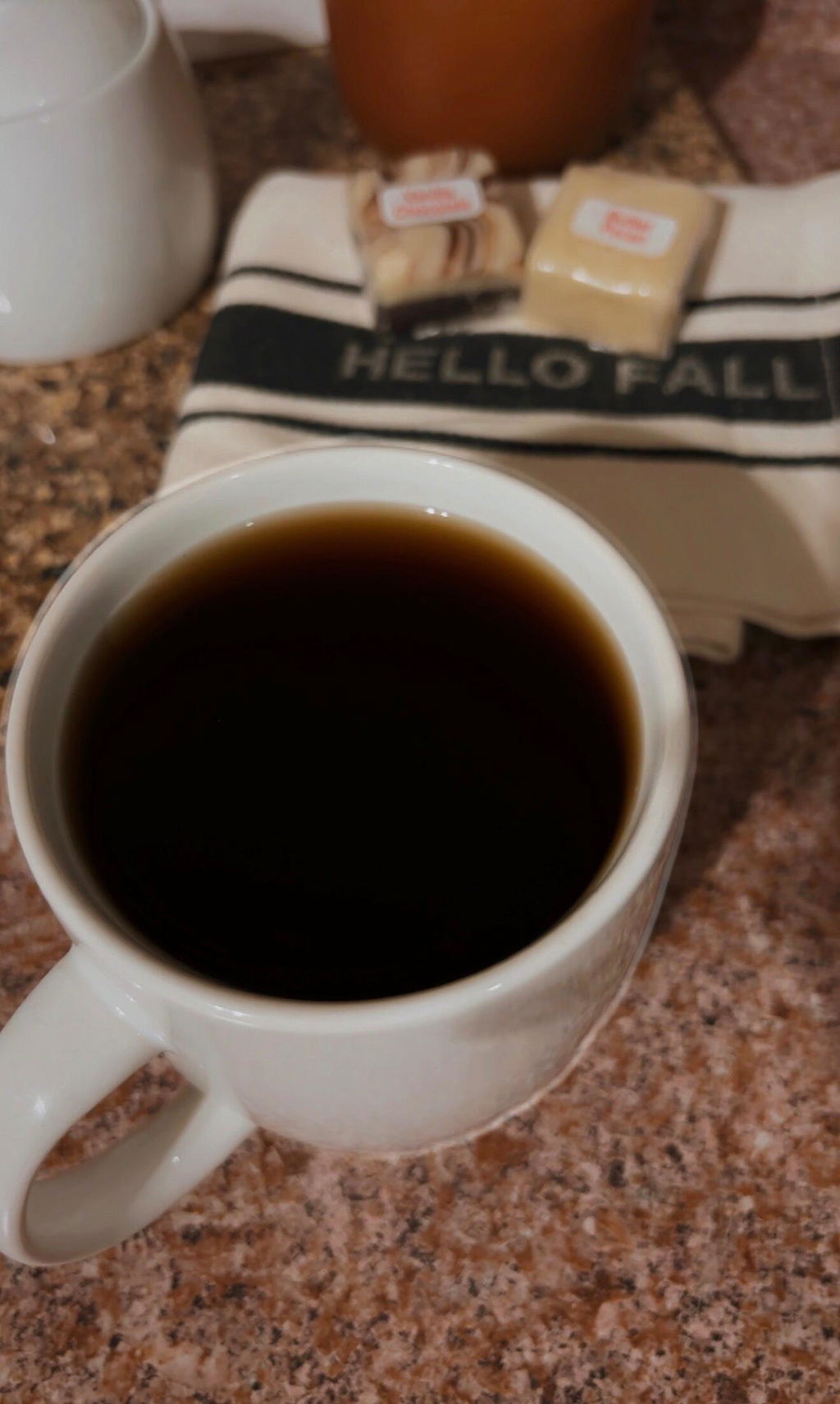
Cold brew earns its place in a busy kitchen because it is ready before the day gets loud. Make a batch once, keep it chilled, and pour a glass when you need coffee without waiting on a kettle, machine, or coffee shop line. It is a practical ritual for work mornings, study sessions, post-gym afternoons, and slow weekends alike.
The appeal is simple: cold brew is smooth, flexible, and easy to make your own. Drink it black over ice, soften it with milk, add a little sweetener, or turn it into a coffeehouse-style drink with what you already have in the fridge. You do not need a shelf full of gear or a technical coffee vocabulary to make a good batch.
What Makes Cold Brew Different?
Cold brew is coffee made by steeping ground coffee in cold or room-temperature water for a long period, usually 12 to 18 hours. The slow extraction creates a mellow cup with less sharpness than hot coffee that has been cooled down. It often tastes chocolatey, nutty, caramel-like, or naturally sweet, depending on the beans.
That does not mean every cold brew tastes the same. The coffee you choose still matters. A medium or dark roast can deliver familiar cocoa and toasted notes, while a lighter roast may bring more fruit or floral character. If you are still figuring out what you like, a coffee sample pack is an easy way to test a few styles without committing to one large bag.
Cold brew is also different from iced coffee. Iced coffee is brewed hot and poured over ice. It can be bright and refreshing, but it may taste more acidic and can become diluted as the ice melts. Cold brew starts cold, so it leans smoother and fuller. Neither is automatically better. Pick iced coffee when you want a fast, lively cup, and pick cold brew when you want a make-ahead option with a softer edge.
How to Make Cold Brew at Home
The basic process is almost hard to overthink: combine coarse coffee grounds and water, wait, strain, then chill. A large jar, pitcher, French press, or dedicated cold brew maker can all work.
Start with coarse grounds. Think chunky, similar to raw sugar or breadcrumbs, not powdery. Fine grounds can slip through filters, create a muddy texture, and make straining frustrating. Freshly ground coffee is great, but pre-ground coffee can still make a satisfying batch when convenience is the priority.
For a ready-to-drink batch, use about 1 cup of coarsely ground coffee for every 4 cups of filtered water. Stir until all grounds are wet, cover the container, and let it steep for 12 to 18 hours. You can steep it in the refrigerator or on the counter in a cool spot. Refrigerating is simple and consistent; room-temperature steeping may bring out a slightly fuller flavor.
When the steep is done, strain the coffee through a fine-mesh strainer lined with a paper filter, cheesecloth, or a clean coffee filter. A French press makes the first strain easy, though you may still want to filter it once more for a cleaner cup. Transfer the finished cold brew to a sealed container and refrigerate it.
The first batch is your starting point, not a final exam. If it tastes weak, use a little more coffee next time or steep it longer. If it tastes heavy or bitter, shorten the steep time or use a slightly coarser grind. Small changes make a real difference.
Want a Concentrate Instead?
Some people prefer making cold brew concentrate because it takes up less refrigerator space and lets them customize each glass. Use roughly 1 cup of coffee for every 2 cups of water, then steep and strain the same way. The result is strong enough to dilute with equal parts water, milk, or a milk alternative.
Concentrate is useful if people in your home take coffee differently. One person can pour it over ice with oat milk, while someone else can add cold water and drink it black. Just label the container so no one mistakes it for ready-to-drink coffee at 6 a.m.
The Details That Improve the Cup
Water is an easy upgrade. If your tap water tastes heavily chlorinated or mineral-heavy on its own, it will show up in your coffee. Filtered water usually gives cold brew a cleaner, sweeter finish.
Steep time matters, but longer is not always better. Twelve hours often produces a lighter, cleaner cold brew. Sixteen hours is a comfortable middle ground for many beans. Past 18 hours, some coffees can start to taste woody or overly intense. Your preferred time depends on the roast, grind, and how you plan to serve it.
Keep the batch covered while it steeps and after it is strained. Coffee can pick up fridge odors, and nobody wants cold brew with a hint of last night's leftovers. Stored in a clean, sealed container, it is generally at its best within seven to 10 days. If it starts smelling off or tasting flat, make a fresh batch.
Easy Ways to Serve Cold Brew
Cold brew does not need much to work. Pour it over a full glass of ice and take a sip before adding anything. That first taste tells you whether the batch needs water, milk, or nothing at all.
For a straightforward daily drink, add a splash of half-and-half, dairy milk, oat milk, or almond milk. Oat milk tends to make the cup feel especially creamy, while almond milk keeps it lighter. If you like sweetness, simple syrup mixes into cold drinks more easily than granulated sugar. Maple syrup and vanilla syrup are also easy options, though a little goes a long way.
On a hot afternoon, try cold brew with sparkling water for a crisp coffee fizz. Use a smaller amount of coffee than you would for a regular glass, add plenty of ice, and finish with sparkling water. It is not for everyone, but it is worth trying if you like coffee that feels bright and less filling.
For a more relaxed weekend version, blend cold brew with ice, milk, and a spoonful of cocoa or vanilla. Keep the coffee as the main flavor instead of burying it under syrups. Good cold brew should still taste like coffee.
Cold Brew That Fits Your Routine
The best coffee routine is the one you will actually use. If mornings are rushed, make cold brew on Sunday night, strain it Monday morning, and you have coffee covered for most of the week. Keep a favorite mug ready for a no-ice version or a durable tumbler nearby for the commute.
If you share a kitchen, make enough for more than one person and set out a few serving choices. Milk, ice, and a simple sweetener give everyone room to build their own cup without making separate batches. That is part of what makes cold brew so useful: it is low-maintenance, but it does not have to be one-note.
At Z's Coffee, the idea is not to turn a daily cup into a complicated project. It is to make room for the version of coffee that fits your day, whether that means a clean black pour before work or a creamy iced drink in your favorite mug.
Cold brew rewards a little planning with a calmer start. Put a batch on tonight, let time do the work, and give tomorrow one less thing to solve.