Single serve coffee delivers fresh, convenient brews through pre-portioned pods or capsules designed for quick, consistent cups. Many coffee lovers worry these systems sacrifice quality or harm the environment, but innovations in flavor variety and sustainability are rapidly changing that narrative. This guide explores how single serve brewing works, debunks common myths with evidence, and helps you choose the right system for your needs while understanding environmental trade-offs and emerging alternatives.
Table of Contents
- What Is Single Serve Coffee? Definition And Overview
- How Single Serve Coffee Brewing Works
- Benefits Of Single Serve Coffee
- Common Misconceptions About Single Serve Coffee
- Environmental Impact And Sustainability Concerns
- Comparison Of Single Serve Coffee Technologies
- Practical Applications And Suitable Use Cases
- Explore Premium Single Serve Coffee Options At Z’s Coffee
Key takeaways
| Point | Details |
|---|---|
| Definition and mechanics | Single serve coffee uses sealed pods or capsules that brew 6 to 12 ounce cups in 30 to 90 seconds through water injection and extraction. |
| Quality and variety | Expert blind tests rate premium capsules comparably to artisan espresso, with vast flavor options across roast levels and origins. |
| Environmental progress | Less than 1% of plastic pods are recycled, but compostable and reusable alternatives reduce waste significantly. |
| System comparison | Pod systems offer drip coffee at lower cost while capsule systems deliver espresso style drinks at higher pressure and premium pricing. |
| Choosing your system | Match brewing style preferences, environmental priorities, and cost considerations to find the ideal single serve setup for your lifestyle. |
What is single serve coffee? Definition and overview
Single serve coffee refers to pre-portioned servings of ground coffee sealed in pods or capsules designed to brew individual cups. These portions typically produce 6 to 12 ounces of coffee, matching standard cup sizes for most drinkers. The concept emerged in the early 1990s when companies like Keurig and Nespresso pioneered automated brewing systems that made fresh coffee accessible without traditional brewing equipment or cleanup hassles.
The core appeal lies in freshness preservation. Sealed packaging protects ground coffee from oxygen and moisture, the two main culprits behind flavor degradation. Once you puncture a pod and brew, you get coffee that tastes as fresh as the roasting date, not weeks or months stale like pre-ground coffee sitting in an open bag.
Single serve options come in several formats:
- Plastic pods containing ground coffee with filter paper, common in drip style machines
- Aluminum capsules hermetically sealed for espresso machines operating at high pressure
- Compostable pods made from plant-based materials that break down naturally
- Reusable pods you fill yourself with any coffee, combining sustainability with customization
The variety of single serve coffee flavors has exploded since the format’s inception. You can now find light, medium, and dark roasts alongside single origin offerings from Ethiopia, Colombia, Mexico, and dozens of other regions. Flavored varieties range from vanilla and hazelnut to seasonal options like pumpkin spice. This breadth means you can switch between a bold breakfast blend and a smooth afternoon decaf without buying multiple bags of beans or ground coffee.
For coffee drinkers who value convenience without sacrificing freshness, exploring options like single serve coffee capsules makes sense. The format delivers consistent quality with minimal effort, appealing to busy professionals, small households, and anyone who wants variety without waste.
How single serve coffee brewing works
Understanding the mechanics behind single serve brewing reveals why these systems produce consistent results. The process follows a straightforward sequence that takes less than two minutes from start to finish.
Here’s the step by step breakdown:
- Pod insertion: You place the sealed pod or capsule into the machine’s chamber
- Puncturing: Needles pierce the top and bottom of the pod to create water flow paths
- Water heating: The machine heats water to optimal brewing temperature, typically 195 to 205 degrees Fahrenheit
- Injection: Hot water flows through the punctured pod under controlled pressure
- Extraction: Water dissolves soluble coffee compounds as it passes through the grounds
- Dispensing: Brewed coffee exits through the bottom puncture into your cup
The brewing time ranges from 30 to 90 seconds, dramatically faster than traditional drip methods. Cleanup takes seconds since you simply eject the used pod into the trash or compost. This speed advantage explains why offices and busy households embrace single serve technology.
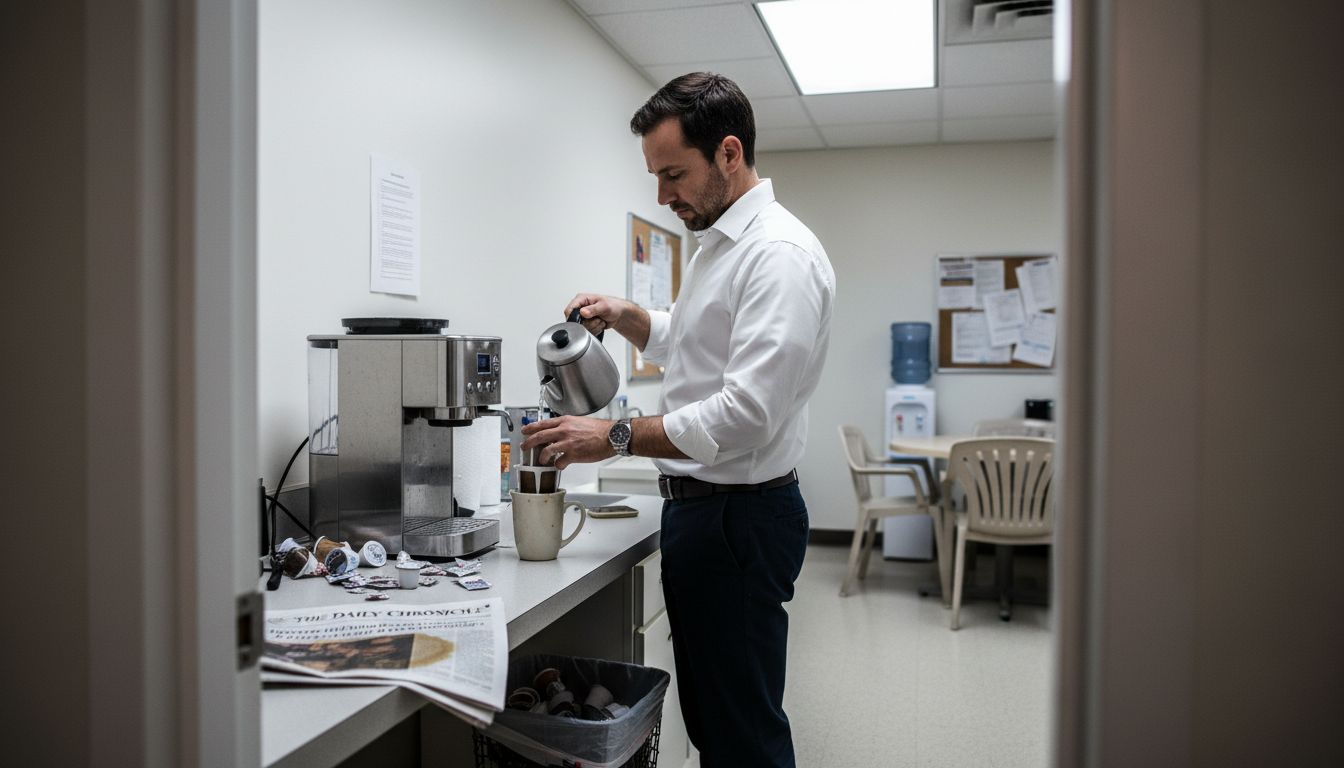
Brewing pressure creates the main distinction between system types. Drip style machines like Keurig operate at lower pressures around 2 to 4 bar, producing coffee similar to traditional drip brewers. Espresso style machines like Nespresso use 15 to 19 bar of pressure, forcing water through finely ground coffee to extract concentrated espresso with characteristic crema on top.
Sealed pods maintain freshness by preventing oxidation until the moment you brew. Ground coffee starts losing volatile aromatic compounds within minutes of grinding when exposed to air. Hermetic sealing locks in those flavors for months, ensuring your morning cup tastes vibrant rather than flat.
Pro Tip: Pre-heat your machine by running a blank cycle without a pod before brewing your first cup. This ensures optimal water temperature for better extraction and fuller flavor.
Exploring region specific options like Mexico coffee pods lets you taste distinct terroir without buying full bags of beans. The convenience of pod brewing makes it easy to sample different origins and find your favorites.
Benefits of single serve coffee
Single serve coffee systems deliver tangible advantages that traditional brewing methods struggle to match. These benefits explain why the format has captured significant market share among home brewers and offices.
Convenience tops the list for most users. Brew times of 30 to 90 seconds mean you can make coffee faster than most people can tie their shoes. Cleanup involves tossing a used pod, not scrubbing carafes or rinsing filters. For rushed mornings or busy workdays, this speed matters enormously.
Freshness preservation through sealed packaging ensures every cup tastes newly roasted. Air and moisture locked out means the coffee inside stays vibrant for months. Compare this to ground coffee in an opened bag that goes stale within weeks, and the quality difference becomes obvious.
Key benefits include:
- Flavor variety with access to dozens of roasts, origins, and blends without buying multiple bags
- Consistent quality since each pod contains precisely measured coffee and grind size
- Portion control eliminating waste from brewing full pots when you want one cup
- Minimal learning curve making great coffee accessible to beginners
- Space efficiency with compact machines requiring less counter real estate
The variety of single serve coffee flavors available in 2026 rivals specialty coffee shops. You can start your day with a bold French roast, enjoy a smooth Colombian blend at lunch, and wind down with decaf hazelnut in the evening. This flexibility lets you match coffee to mood without committing to large quantities of any single variety.
“Single serve coffee offers consumers a wide variety of flavor profiles including multiple roast levels, blends, and single-origin capsules tailored for diverse tastes.” This breadth transforms your kitchen into a personal coffee bar.
Consistent quality comes from precise portioning. Each pod contains the exact amount of coffee ground to the optimal size for its brewing method. You don’t need to measure, weigh, or guess. Insert the pod, press start, and get the same excellent result every time.
Pro Tip: Store unopened pods in a cool, dry place away from direct sunlight. Even sealed pods benefit from stable temperatures that preserve aromatic compounds for maximum flavor when you finally brew them.
Exploring unique offerings like a flavored coffees sample pack lets you discover new favorites without committing to full size purchases. The sample approach works perfectly with single serve convenience.
Common misconceptions about single serve coffee
Single serve coffee faces persistent myths that don’t hold up under scrutiny. Evidence from recent years challenges these assumptions and reveals a more nuanced reality.
The quality myth claims single serve coffee can’t match traditionally brewed coffee. Expert panels rated Nespresso Vertuo capsules comparably to artisan espresso in blind taste tests. The key lies in coffee quality inside the pod, not the delivery format. Premium capsules containing freshly roasted, properly ground coffee produce excellent results. Budget pods with mediocre coffee taste mediocre, just like cheap ground coffee brewed any other way.
The freshness myth suggests sealed pods contain stale coffee. Actually, the opposite proves true. Hermetic sealing protects ground coffee from oxygen and moisture far better than opened bags or canisters. Coffee sealed at peak freshness stays fresh for months, while ground coffee in your pantry starts degrading within days of opening.
Cost concerns often overstate the expense. While premium capsules cost more per cup than bulk ground coffee, the comparison ignores waste. Brewing full pots and dumping half creates hidden costs. Single serve portions eliminate this waste entirely. Buying pods in bulk packs also reduces per cup costs significantly compared to individually purchased pods.
Key misconceptions debunked:
- Lower quality: Premium pods match or exceed traditional brewing when using high grade coffee
- Environmental disaster: Emerging compostable and reusable options address waste concerns
- Always expensive: Bulk purchasing and reusable pods offer cost competitive alternatives
- Limited selection: Thousands of varieties now available across all major systems
- Bad for serious coffee lovers: Many specialty roasters now offer single serve options
Sustainability concerns deserve serious attention but shouldn’t paint all single serve options with the same brush. Plastic pods create significant waste, but aluminum capsules recycle more easily and compostable pods break down naturally. Reusable pods you fill yourself eliminate single use waste entirely. The format itself isn’t inherently unsustainable; material choices and disposal practices determine environmental impact.
The reality in 2026 shows single serve coffee spanning quality levels from gas station mediocre to specialty roaster excellent. Your experience depends on which products you choose and how you use them.
Environmental impact and sustainability concerns
Single serve coffee’s environmental footprint represents the format’s most legitimate challenge. Understanding the scope of waste and emerging solutions helps you make informed choices aligned with your values.
The numbers tell a stark story. Less than 1% of plastic single serve pods get recycled globally each year. Billions of pods end up in landfills where they take decades or centuries to break down. This waste stream has rightfully drawn criticism from environmental advocates and conscious consumers.
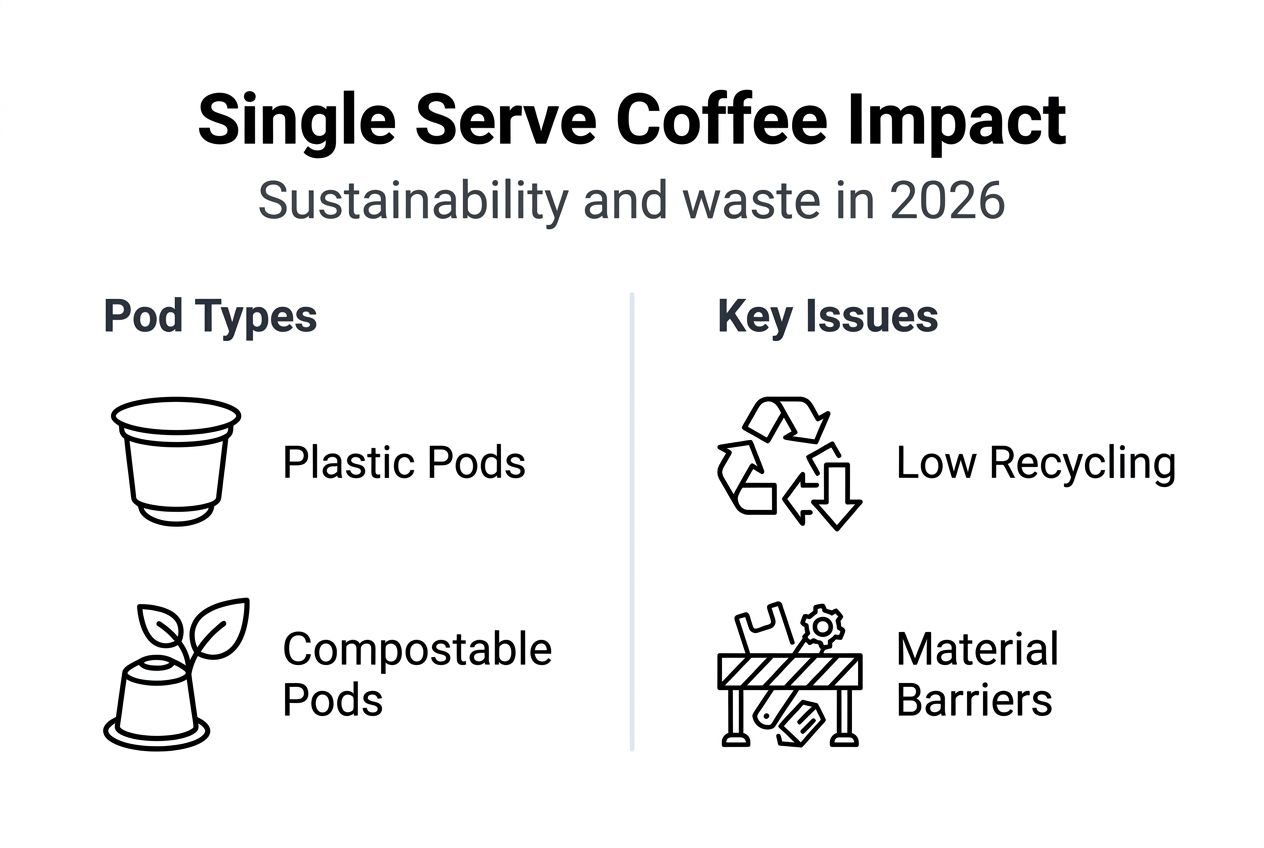
Plastic pods face structural recycling barriers. Most contain multiple materials like plastic, aluminum foil, and paper filters fused together. Separating these components for proper recycling exceeds what most municipal programs handle. Even when technically recyclable, contamination from coffee grounds reduces actual recycling rates to negligible levels.
Aluminum capsules perform better environmentally. Aluminum recycles infinitely without quality loss, and many communities accept aluminum in curbside programs. Companies like Nespresso operate dedicated capsule collection programs. However, recycling rates for aluminum pods still lag far behind aluminum cans due to size and collection challenges.
Sustainability improvements emerging in 2026:
- Compostable pods made from plant-based materials that break down in commercial composting facilities within months
- Fully recyclable designs using single materials that simplify processing
- Reusable pods you fill with any coffee, eliminating single use waste entirely
- Concentrated formats requiring less packaging per cup
- Take-back programs where manufacturers collect and recycle used pods
Reusable pods offer the most dramatic waste reduction. Fill them with your favorite coffee, brew, empty the grounds into compost, rinse, and repeat. The initial investment in reusable pods pays for itself within weeks while eliminating ongoing waste. The trade-off involves more effort filling and cleaning pods compared to the grab and go convenience of pre-filled options.
| Pod Type | Material | Recyclability | Cost per Cup | Convenience | Environmental Impact |
|---|---|---|---|---|---|
| Plastic Pods | Mixed plastic/foil | Less than 1% recycled | $0.40 to $0.75 | Highest | Significant waste |
| Aluminum Capsules | Aluminum | 20 to 30% recycled | $0.60 to $1.20 | High | Moderate waste |
| Compostable Pods | Plant materials | Commercially compostable | $0.50 to $0.90 | High | Minimal waste |
| Reusable Pods | Stainless steel | Infinite reuse | $0.15 to $0.30 | Moderate | Near zero waste |
Pro Tip: Check whether your local waste management accepts compostable pods before buying them. Many require commercial composting facilities rather than home compost bins. If commercial composting isn’t available in your area, reusable pods make the most sustainable choice.
Balancing convenience with environmental responsibility means evaluating your priorities honestly. If sustainability matters deeply, reusable pods or compostable options make sense. If convenience drives your decision, look for the most recyclable or compostable single use options available.
Comparison of single serve coffee technologies
Single serve coffee systems fall into distinct categories based on brewing technology, each offering different trade-offs in flavor, cost, and user experience. Understanding these differences helps match systems to your preferences.
Pod based machines like Keurig dominate the North American market. These systems use plastic pods containing ground coffee and operate at relatively low pressure, typically 2 to 4 bar. The brewing style produces coffee similar to traditional drip brewers, satisfying drinkers who prefer larger cups of regular strength coffee. Pod variety spans thousands of options from major brands and specialty roasters.
Capsule based machines like Nespresso take an espresso focused approach. Aluminum capsules withstand the high pressure of 15 to 19 bar required for true espresso extraction. The result delivers concentrated shots with rich crema, appealing to espresso lovers and those who want cafe quality drinks at home. Premium positioning means higher per cup costs but arguably superior flavor intensity.
Reusable pods bridge the gap for environmentally conscious users. Stainless steel or reusable plastic pods work with most major machines. You fill them with any coffee you choose, gaining flexibility and reducing waste dramatically. The trade-off involves additional effort filling, tamping, and cleaning pods after each use.
| System Type | Pod Material | Brewing Pressure | Coffee Style | Flavor Variety | Cost per Cup | Environmental Impact |
|---|---|---|---|---|---|---|
| Pod Machines | Plastic/paper | 2 to 4 bar | Drip coffee | Thousands of options | $0.40 to $0.75 | High waste |
| Capsule Machines | Aluminum | 15 to 19 bar | Espresso | Hundreds of options | $0.60 to $1.20 | Moderate waste |
| Reusable Pods | Stainless steel | Varies by machine | User dependent | Unlimited | $0.15 to $0.30 | Minimal waste |
| Compostable Systems | Plant materials | 2 to 4 bar | Drip coffee | Growing selection | $0.50 to $0.90 | Low waste |
Key considerations for each system:
- Pod machines: Best for households wanting variety and larger cup sizes with minimal learning curve and lower upfront costs
- Capsule machines: Ideal for espresso enthusiasts willing to pay premium prices for authentic cafe quality shots and milk drinks
- Reusable pods: Perfect for environmentally focused users comfortable with extra preparation steps and cleanup
- Compostable systems: Suited to sustainability minded drinkers in areas with commercial composting access
Flavor profiles vary significantly. Low pressure pod systems extract coffee more gently, producing smoother, less intense flavors. High pressure capsule systems force rapid extraction, creating concentrated, bold flavors with more body and aromatics. Neither approach is objectively better; preference depends on whether you favor mellow approachability or intense complexity.
Cost analysis extends beyond per cup pricing. Pod machines typically cost less upfront, sometimes under $100, while premium capsule machines can exceed $500. Factor in ongoing pod costs over years of use when calculating total ownership expenses. Reusable pods offer the lowest long term costs after the initial machine investment.
Exploring quality options like single serve coffee capsules from specialty retailers ensures you get properly roasted, fresh coffee regardless of which system type you choose.
Practical applications and suitable use cases
Matching single serve coffee systems to specific lifestyles and situations maximizes satisfaction and value. Different user profiles benefit from different approaches based on consumption patterns and priorities.
Single person households gain the most obvious advantages. Brewing one cup at a time without waste makes perfect sense when you’re the only coffee drinker. The variety of single serve options means you can switch flavors daily without buying multiple bags of coffee that go stale. Compact machine footprints suit smaller kitchens or studio apartments where counter space runs limited.
Office environments benefit from reduced maintenance and universal appeal. One machine serves dozens of people with different preferences, eliminating arguments over coffee strength or flavor. Quick brew times prevent bottlenecks during morning rushes. Minimal cleanup means no one gets stuck washing carafes or dealing with soggy grounds.
Travelers and RV owners appreciate portable single serve machines that pack easily and work anywhere with electrical access. Compact pod storage beats hauling bags of ground coffee. The ability to make quality coffee in hotel rooms or campsites elevates travel experiences without hunting for coffee shops.
Large cup coffee drinkers should verify machine compatibility. Some single serve systems max out at 10 to 12 ounces, short of the 16 to 20 ounce mugs many Americans prefer. Solutions include brewing multiple pods into one cup or choosing systems specifically designed for larger servings.
Quick decision guide:
- Variety seekers: Pod machines with thousands of flavor options
- Quality focused: Premium capsule machines delivering cafe level espresso
- Budget conscious: Reusable pods with bulk ground coffee
- Environmentally driven: Compostable pods or reusable options
- Convenience maximizers: Pre-filled pods with fastest cleanup
- Experimental drinkers: Systems compatible with multiple pod brands
Maximizing single serve benefits requires matching pod selection to taste preferences. Don’t settle for mediocre coffee just because it’s convenient. Seek out specialty roasters offering single serve formats. Sample different roast levels and origins until you find favorites. Buy variety packs to explore without committing to large quantities.
Balancing cost and convenience means evaluating your true priorities. If saving money matters most, reusable pods deliver. If time savings trump everything, pre-filled options make sense despite higher costs. If environmental impact weighs heavily, compostable or reusable choices align with those values. Honest self-assessment guides smarter purchasing decisions.
Explore premium single serve coffee options at Z’s Coffee
Now that you understand single serve coffee technology, benefits, and environmental considerations, finding quality products becomes the logical next step. Z’s Coffee offers carefully curated selections that match the convenience of single serve systems with the quality serious coffee lovers demand.
Explore the complete coffee collection at Z’s Coffee to discover options spanning different roast levels, origins, and flavor profiles. 
The selection includes unique regional offerings like Mexico coffee pods that showcase distinct terroir characteristics. For adventurous drinkers interested in functional beverages, options like coffee with mushrooms medium roast combine traditional coffee enjoyment with wellness trends. The convenience of online ordering means quality single serve coffee arrives at your door, ready to brew whenever you need it. Whether you prefer classic blends or experimental flavors, having reliable sources for premium pods ensures your single serve experience delivers the freshness and taste that make the format worthwhile.
FAQ
What is the difference between coffee pods and capsules?
Pods typically refer to coffee packaged in soft, permeable materials like filter paper or plastic with paper filters, designed for drip style brewing machines. Capsules are rigid containers, usually aluminum or hard plastic, built for high pressure espresso machines that require sealed chambers to withstand 15 to 19 bar of pressure. The terms often get used interchangeably, but the structural difference relates directly to brewing method and pressure requirements.
Are single serve coffee pods recyclable?
Most plastic pods have extremely low recycling rates, with less than 1% actually recycled due to mixed materials and contamination from coffee grounds. Aluminum capsules recycle more successfully through dedicated programs, though still below rates for aluminum cans. The best recyclable options are pods made entirely from one material or compostable pods certified for commercial composting facilities. Reusable pods eliminate the recycling question entirely by allowing infinite reuse.
How can I choose the best single serve coffee system for me?
Start by identifying your flavor preferences, whether you prefer traditional drip coffee or espresso style drinks, since this determines which brewing technology suits you. Evaluate environmental priorities, as some systems offer compostable or reusable options while others create more waste. Compare cost per cup including both machine investment and ongoing pod expenses. Testing machines at retail stores or trying systems friends own helps judge ease of use, cleanup requirements, and whether the coffee quality meets your standards before committing to a purchase.
Do single serve coffee makers produce cafe quality coffee?
High end capsule machines operating at true espresso pressure can produce shots comparable to cafe equipment when using quality coffee. Expert blind taste tests have rated premium capsules alongside artisan espresso with similar scores. Pod machines designed for drip coffee won’t replicate espresso but can match or exceed home drip brewers in flavor and consistency. The coffee quality inside the pod matters more than the brewing format, so choosing pods from reputable roasters using fresh, properly roasted beans determines your results.