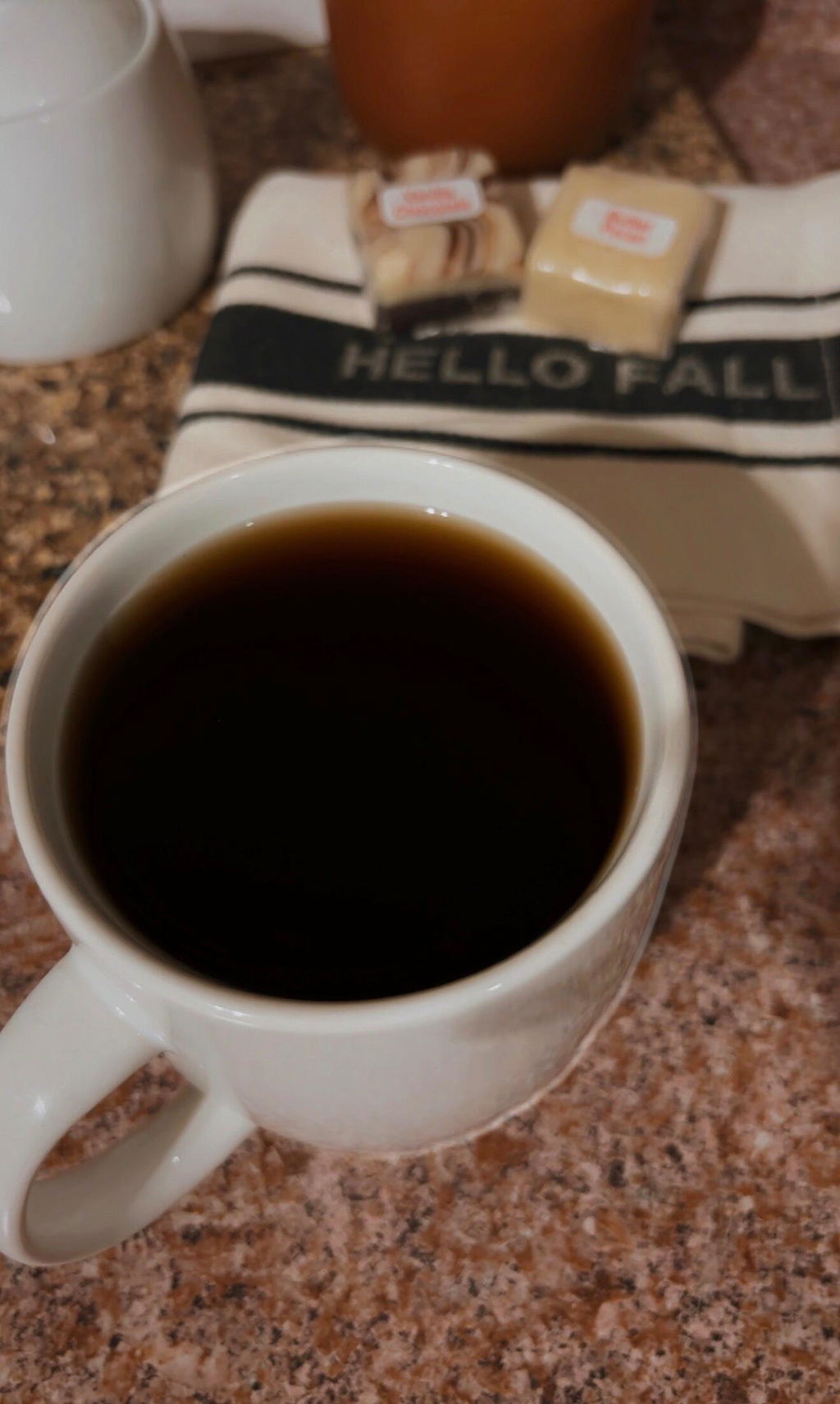
A full-size bag is a commitment. You might finish it because it is there, not because it is the coffee you actually want to wake up with. When you choose coffee sample packs, you get room to try a few directions without turning your kitchen shelf into a collection of almost-right bags.
Sample packs work best when you treat them like a quick, low-pressure taste test. The goal is not to become a coffee expert overnight. It is to find the flavors, roast styles, and routines that make your daily cup easier to look forward to.
Start With Your Actual Coffee Routine
Before looking at flavor notes or roast labels, think about when and how you drink coffee. Your routine says more than a complicated tasting chart ever will.
If your first cup happens while answering emails, getting kids ready, or heading out the door, you may want coffee that tastes good with little effort. A balanced medium roast can be an easy place to start because it usually lands between bright and heavy. It can work black, with milk, or over ice without demanding much adjustment.
If coffee is your quiet reset later in the day, you may enjoy a pack with more contrast. Try a mix that includes lighter and darker options, then pay attention to which one fits that moment. A brighter cup can feel lively in the morning. A fuller, deeper roast may feel better after dinner or on a slow weekend.
There is no prize for picking the most technical-sounding coffee. Pick for the cup you will realistically make and drink.
Choose Coffee Sample Packs by Flavor Direction
You do not need to know every origin or processing term to know what tastes good to you. Start with broad flavor directions that are easy to recognize.
If you like cocoa, toasted nuts, caramel, or a smooth finish, look for coffees described as classic, rich, balanced, or chocolatey. These are often a comfortable match for people who add cream, milk, or a little sweetener. They also tend to feel familiar if you are moving from standard grocery-store coffee into specialty coffee.
If you like fruit-forward drinks, citrus, berries, or tea-like flavors, look for brighter or lighter selections. These coffees can be fun and surprising, especially when brewed black. The trade-off is that they may taste sharper than expected if you are used to dark, smoky coffee. That does not make them worse. It simply means they are not always the best first choice for someone who wants a bold diner-style cup.
If you are unsure, variety is the point. Choose a pack with a clear range rather than several coffees that all sound nearly identical. One smooth option, one bright option, and one deeper roast can teach you more about your preferences than three safe picks.
A quick way to read your reaction
After each coffee, ask yourself three simple questions: Would I drink this black? Does it improve with milk? Would I want another cup tomorrow? Those answers are more useful than trying to name every flavor in the mug.
Let Your Brew Method Guide the Pack
Coffee can taste very different depending on how you brew it. A coffee that feels perfect in a drip machine may come across stronger or more intense in a French press. That is normal, and it is why your equipment should influence your choice.
For a standard drip coffee maker, almost any balanced sample pack is a good fit. This method is forgiving and makes it easy to compare coffees from one morning to the next. Keep your water amount and scoop size consistent so you can tell whether the coffee itself is changing the experience.
For pour-over, a variety pack with distinct flavor profiles can be especially rewarding. The method tends to make lighter, more detailed flavors easier to notice. If you enjoy slowing down for a cup, this is a good way to find a coffee that gives you more than simple caffeine.
For French press, consider selections with richer body and deeper notes. The brew method leaves more oils in the cup, which can make nutty, chocolatey, and full-bodied coffees feel especially satisfying. A very bright coffee can still work, but it may need a little experimenting with grind size and brew time.
For espresso or an espresso-style machine, look for coffees that can stand up to concentration and milk. Medium-dark and dark roasts are often an easy starting point, particularly for lattes, cappuccinos, and iced drinks. But do not rule out medium roasts if you enjoy a sweeter, more layered shot.
Cold brew changes the equation again. It often smooths out sharper edges and brings forward chocolatey or caramel-like notes. If iced coffee is part of your everyday plan, try at least one fuller-bodied coffee in your sample pack before committing to a larger bag.
Check the Bag Size Before You Order
A sample pack should give you enough coffee to make a fair call. One tiny serving can be interesting, but it may not be enough to account for a rushed morning, a slightly off brew, or a different way of drinking it.
Think in cups, not just ounces. If you make a 10-ounce mug every morning, check whether each sample gives you two or more brews. That gives you a better chance to try the coffee black one day and with your usual milk or creamer the next. It also keeps one imperfect scoop from deciding whether you think you like it.
Smaller samples still have a place. They are great when you want the widest possible range, are shopping for a gift, or want to compare coffees without building up too much inventory. Larger samples make more sense when you know your brew method and want to test a few candidates for your regular rotation.
Match the Pack to Your Budget and Pace
Sample packs save money only when they help you avoid buying a large bag you will not enjoy. They are not automatically the cheapest way to buy coffee per ounce. Think of them as a practical filter before you stock up.
A good approach is to choose one pack, take notes for a week or two, and then reorder a full size of the coffee you reached for most. Keep the notes simple: favorite black, favorite with milk, best iced, and would buy again. Your phone works fine. No journal or coffee vocabulary required.
Also consider how quickly you go through coffee. If you drink one cup a day, a large collection of open bags can lose its freshness before you get to all of them. If your household goes through several pots a week, a broader pack may disappear fast enough to make side-by-side comparison easy.
Do Not Shop by Roast Alone
Roast level is useful, but it is not a full flavor guarantee. Two medium roasts can taste completely different. One may be sweet and mellow, while another is bright and citrusy. A dark roast may be bold and cocoa-like, or it may lean smoky depending on the coffee and how it was roasted.
Use roast as a starting point, then look at the overall description. If you already know you want a smooth coffee for a splash of oat milk, descriptions such as balanced, rich, nutty, or chocolatey are often more helpful than roast level alone. If you want something crisp and lively for a black pour-over, fruit, floral, or citrus notes may point you in the right direction.
The best pack gives you enough contrast to learn, without making every cup feel like a gamble.
Make It Easy to Compare
Once your sample pack arrives, avoid changing everything at once. Use the same brewer, similar water amount, and similar coffee dose for your first round. You are not chasing laboratory precision. You are just giving each coffee a fair shot.
Try each coffee at least twice if you can. Taste it while it is warm, then take another sip as it cools. Some cups become sweeter or more distinct after a few minutes. If you normally use milk, taste a small sip black first, then make it the way you actually enjoy it. Your daily preference matters more than anyone else's tasting notes.
Z's Coffee sample packs are a simple place to start if you want to explore without overthinking the menu. Pick a range, brew it your way, and let the cups you finish first tell you what belongs in your next order.
A good coffee routine does not need a perfect answer on day one. Choose a pack that gives you a few real options, keep what fits your mornings, and move on from what does not.