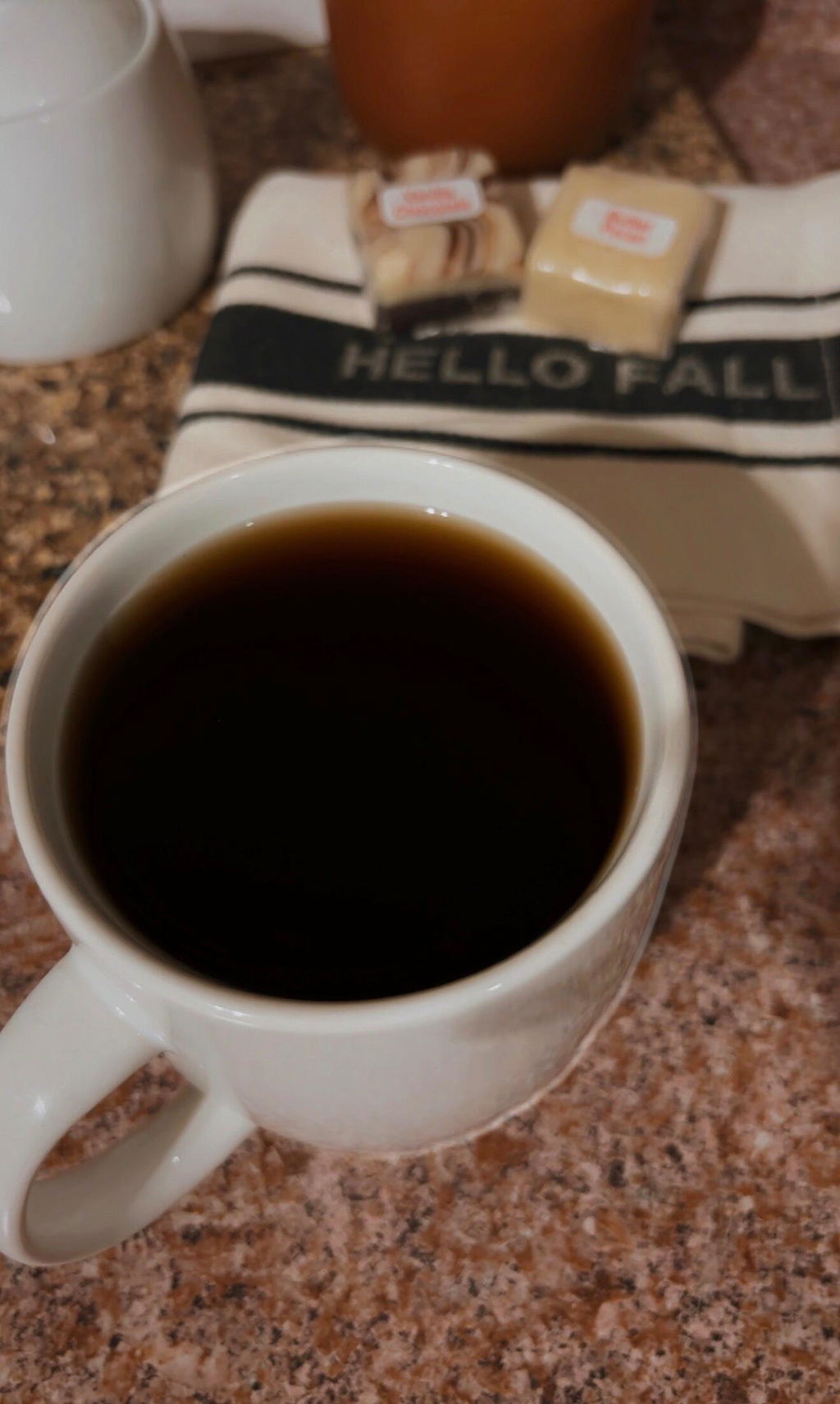
A coffee break can feel like a switch flipping on. Tea usually feels different: steady, lighter, and easier to fit into an afternoon. That is the appeal of green tea caffeine for a lot of people. It still offers a lift, but the experience can be less intense than a standard cup of coffee.
The exact effect depends on the tea, your brewing method, and your own caffeine sensitivity. If you are looking for a daily drink that sits somewhere between water and a double espresso, green tea is worth knowing better.
How Much Caffeine Is in Green Tea?
Most brewed green tea contains roughly 20 to 45 milligrams of caffeine in an 8-ounce cup. For perspective, an 8-ounce cup of brewed coffee often lands around 80 to 100 milligrams, though some coffees contain much more. Black tea commonly falls in the middle, while herbal teas are usually naturally caffeine-free unless they are blended with a caffeinated tea.
Those ranges are useful, but they are not a promise printed into every leaf. Tea is an agricultural product, and caffeine levels naturally shift from one harvest, style, and serving to the next. A bottled tea, a large cafe drink, or a concentrated matcha preparation can deliver a very different amount than a basic mug of loose-leaf green tea.
For most adults, that lower range makes green tea a practical option when coffee sounds like too much. It can work before a commute, at a desk, after lunch, or during a late study session when you want to stay present without making bedtime harder.
Why Green Tea Caffeine Feels Different
Caffeine is caffeine, whether it comes from coffee, tea, or an energy drink. Your body does not treat it as a completely different ingredient because it came from a tea leaf. What can change is the full drink around it.
Green tea contains L-theanine, an amino acid that is often associated with a calmer, more focused feeling when consumed alongside caffeine. Research on the combination suggests it may support attention and reduce some of the edgy feeling that people associate with caffeine alone. That does not mean green tea cannot make you jittery. A sensitive person can still feel wired after one cup, especially on an empty stomach.
The pace of drinking matters too. Coffee is often finished quickly on the way out the door. Tea invites a slower cup. Temperature, hydration, food, stress, and how much sleep you got the night before all influence whether a drink feels smooth or overwhelming.
What Changes the Caffeine in Your Cup?
The label may give you a starting point, but preparation shapes the final cup. Longer steeps generally pull more caffeine from the leaves. Hotter water can also extract more, although very hot water may make green tea taste bitter or astringent.
Using more tea leaves raises the caffeine amount as well. A lightly steeped cup made with one teaspoon of loose leaf tea will not hit the same as a strong mug made with a generous scoop and a long steep. Reusing the same leaves can reduce caffeine in later infusions, but the result depends on the leaf and how the first cup was brewed.
Tea style matters. Matcha is made by whisking powdered tea leaves into water, so you consume the whole leaf rather than steeping and removing it. It often has more caffeine per serving than standard brewed green tea. Gyokuro, a shade-grown Japanese green tea, can also be notably caffeinated. Everyday green tea bags and many loose-leaf green teas tend to sit at the more moderate end.
Serving size is the quiet factor people miss. A 16-ounce tumbler is two cups by the usual nutrition-label standard. If you refill it, your easygoing tea ritual may add up to more caffeine than you expected.
Green Tea vs. Coffee: Choose for the Moment
Coffee and green tea do not need to compete. They solve different parts of the day.
Coffee can be the right call when you need a bolder taste, a faster caffeine boost, or the familiar structure of your morning ritual. It is also easier to get more caffeine in a single small serving. Green tea is useful when you want something lighter, want to pace your intake, or simply prefer a fresh, grassy, toasted, or vegetal cup over coffee's roast-forward flavor.
If coffee leaves you shaky, acidic, or crashing by midafternoon, green tea may be a worthwhile swap for one daily cup. Still, lower caffeine does not automatically mean no side effects. Some people are more bothered by tea on an empty stomach because of its tannins, which can cause nausea or stomach discomfort. Having it with breakfast or a snack may help.
A simple approach is to keep coffee for the morning and make green tea your early-afternoon drink. That gives you variety without stacking several high-caffeine beverages too close together.
When Should You Stop Drinking Green Tea?
There is no single cutoff time that works for everyone. Caffeine can stay in the body for hours, and people process it at different speeds. If sleep is a priority, try finishing caffeinated tea at least six to eight hours before bed. Someone with a 10 p.m. bedtime might make their last green tea around 2 to 4 p.m., then adjust based on how they sleep.
Pay attention to your real-world response, not just a number on a package. Trouble falling asleep, waking up more often, anxious thoughts, heart palpitations, reflux, or headaches can all signal that your timing or total intake needs a reset.
Adults are often advised to stay at or below 400 milligrams of caffeine per day, but personal limits can be much lower. Pregnancy, certain medications, heart conditions, anxiety disorders, and sensitivity to caffeine all call for more individualized guidance from a clinician. Green tea is not a loophole around caffeine limits.
How to Brew a Smoother, Lighter Cup
If you want to keep both bitterness and caffeine modest, start with water that is hot but not boiling, around 160 to 175°F. Steep for one to two minutes, then taste. You can always steep longer next time, but you cannot pull bitterness back out of an over-brewed cup.
For a stronger cup, use a little more leaf before extending the steep time too far. This often keeps the flavor clearer. If you are trying to reduce caffeine, use fewer leaves, a shorter steep, or choose a decaffeinated green tea. Decaf tea is not always completely caffeine-free, so check the product details if you need to avoid it closely.
Iced green tea deserves the same attention. Brewing a concentrated batch and pouring it over ice can make a flavorful drink, but it can also concentrate caffeine if you use extra leaves. Make it the way you enjoy it, then consider the total tea used across the whole pitcher rather than just the size of one glass.
Make Green Tea Part of Your Actual Routine
The best caffeine routine is the one you can repeat without overthinking it. Keep green tea where you will use it: near your favorite mug, by the kettle, or in your work bag for office days. A good mug makes the pause feel intentional, whether you are catching up on emails or stepping away from a packed schedule.
At Z's Coffee, tea belongs in the same everyday rotation as coffee, not in a separate category for people who have given up caffeine. Build the cup around the moment. Go stronger when you need focus, lighter when you want a warm reset, and decaf when you want the ritual without changing your night.
Your body gives better feedback than any caffeine chart. Start with one cup, notice how you feel a few hours later, and let that guide the next pour.