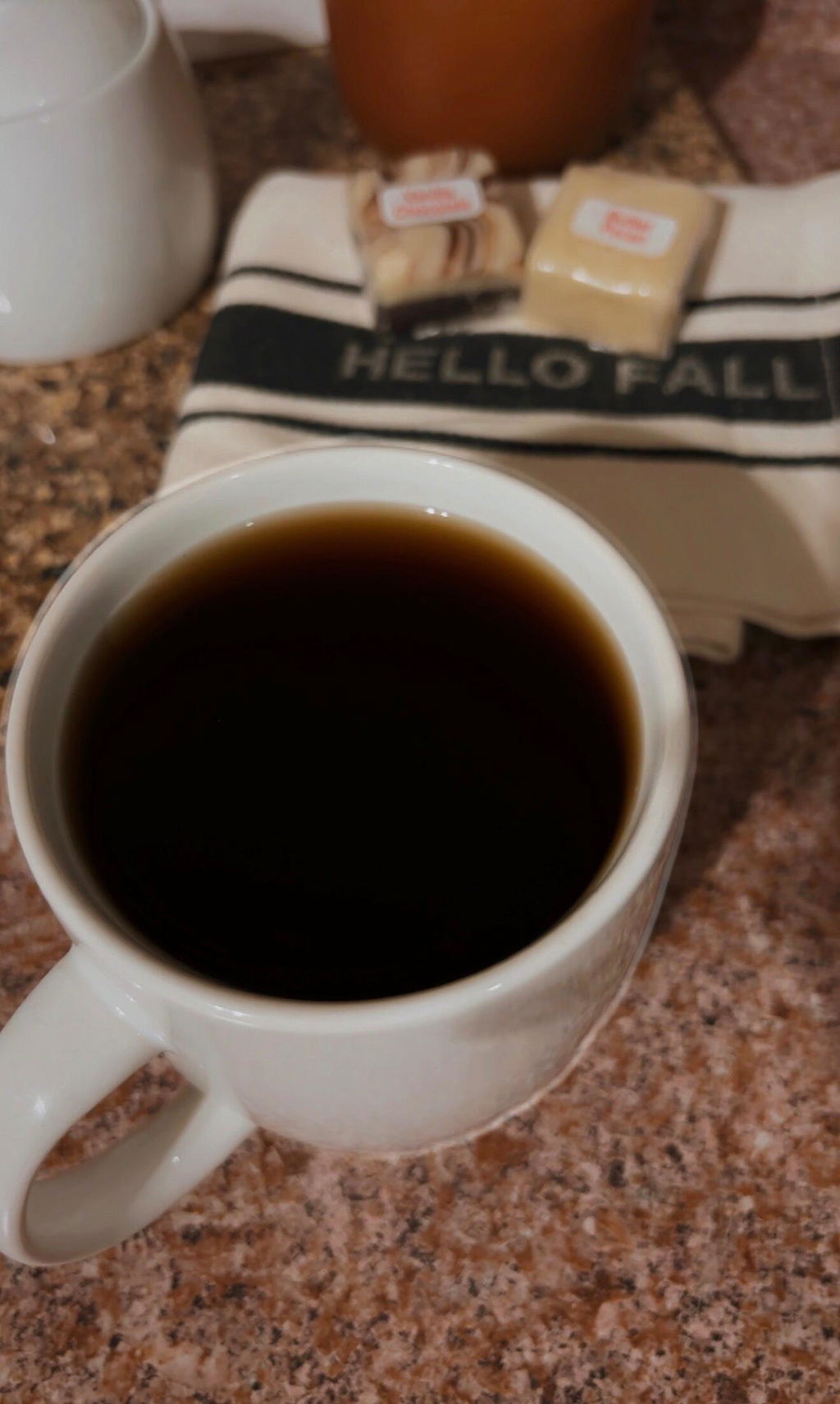
A dark, smoky mug can feel like the right move before a long workday. On a slow weekend morning, a bright coffee with fruit-like notes might be exactly what you want instead. That is the real point of light roast versus dark roast: not picking the objectively best coffee, but finding the flavor that fits your cup.
Roast level changes what you taste, how the coffee feels, and which brewing methods may bring out its best side. It can also affect how a coffee works with cream, sugar, ice, and the rest of your daily routine. The good news is that you do not need a coffee dictionary to choose well.
What roasting actually changes
Coffee begins as a green seed inside a coffee cherry. Roasting applies heat to turn that dense, grassy-tasting seed into the aromatic brown coffee bean you know. As roasting continues, the bean gets darker, more porous, and usually less dense. Its natural sugars caramelize, and the flavors created by the roast become more noticeable.
A lighter roast spends less time in the roaster. It keeps more of the bean's original character, including flavors shaped by where and how it was grown. A darker roast spends longer under heat. It brings forward deeper, toastier flavors that come from the roasting process itself.
Neither approach is automatically higher quality. A great light roast can be lively and clear. A great dark roast can be rich and comforting. The better choice depends on what you enjoy and how you brew.
Light roast versus dark roast: flavor in the cup
Light roasts are often described as bright, crisp, or vibrant. Depending on the coffee, you may notice citrus, berry, floral, apple, honey, or tea-like notes. That does not mean the coffee is flavored. Those tastes are natural characteristics that become easier to notice when roasting stays lighter.
The acidity in a light roast can feel more present. In coffee, acidity is not the same thing as sourness. Think of the pleasant snap of a fresh apple or orange. When a light roast is brewed well, that brightness can make a cup feel clean and energetic. When it is under-extracted or brewed with water that is too cool, it may taste sharp or sour instead.
Dark roasts usually lean toward chocolate, caramel, roasted nuts, toasted bread, and sometimes a smoky edge. They tend to feel heavier and more familiar to drinkers who grew up associating coffee with a bold diner-style cup. Their lower perceived acidity can make them feel smoother, especially with milk.
A very dark roast can become bitter, ashy, or charred if it is pushed too far. Some people love that intense edge. Others find it hides the coffee's natural sweetness. That is why “dark” does not automatically mean “stronger” in the way most people mean it. It generally means more roast-driven flavor.
Is dark roast stronger or more caffeinated?
Dark roast often tastes stronger because its flavors are fuller, toastier, and more bitter. But bold flavor and caffeine are not the same thing.
The caffeine difference between light and dark roast is small enough that your serving size, coffee-to-water ratio, and brew method matter more. There is one detail that creates confusion: beans lose some mass as they roast. If you measure coffee by scoops, lighter beans can deliver slightly more caffeine because they are denser. If you measure by weight, the difference is usually minimal.
If you want a bigger caffeine hit, focus first on how much coffee you use and how much you drink. A larger mug, a stronger ratio, or an extra shot will make a more noticeable difference than switching roast levels.
Choose light roast if you want clarity
A light roast is a strong match for people who like to notice different flavors from one coffee to the next. It is especially good for a morning when you want a cup that feels refreshing rather than heavy.
Pour-over, drip coffee, and AeroPress brewing can show off a light roast's detail. Use water just off the boil and give the coffee enough contact time to avoid a thin, sour cup. A burr grinder helps, but you do not need a complicated setup to enjoy it. Freshly ground coffee and a consistent brew routine go a long way.
Light roast can also be great over ice, particularly when brewed a little stronger to account for melting. If you usually add a lot of flavored syrup or heavy cream, though, its subtler notes may get lost. In that case, a medium or dark roast may come through better.
Choose dark roast if you want comfort and body
Dark roast is a natural fit if you want coffee that tastes classic, rich, and direct. It stands up well to milk, cream, sugar, and plant-based alternatives, making it an easy everyday choice for people who build their coffee around the add-ins as much as the bean.
It also works well in French press, drip machines, moka pots, and espresso-style drinks. A dark roast can create a full-bodied cup with a satisfying finish, even when your morning is moving fast and you are not measuring every detail.
For iced lattes and cold coffee with milk, dark roast is often the safer choice because its chocolatey, roasted notes remain present. If your goal is a cup that feels substantial after a workout, during a commute, or beside a late-night project, it delivers that grounded profile.
The middle ground is worth knowing
If light roast sounds too bright and dark roast sounds too intense, medium roast may be your sweet spot. It often carries some origin character while adding more caramel sweetness and body. It is also one of the easiest styles to brew across different methods.
Think of roast levels as a range, not rigid boxes. One roaster's light roast can be closer to another roaster's medium roast. Bean variety, growing region, processing method, and freshness all influence the final cup. A coffee labeled dark roast may still taste smooth and sweet, while another may lean smoky and intense.
That is also why trying a few coffees beats relying on one label. Sample packs are useful when you want to compare styles without committing to a full bag before you know what belongs in your regular rotation.
Make your choice based on how you drink coffee
Start with your real routine, not what coffee experts say you should like. If you drink black coffee and enjoy fruit, tea, or bright flavors, try a light roast. If you want coffee with cream and want the coffee flavor to stay noticeable, choose dark roast. If you switch between black coffee, iced drinks, and lattes, a medium roast gives you flexibility.
Your brewer matters too. A light roast can shine in a careful pour-over, but it can still work in a standard drip maker. A dark roast can make a great espresso-style drink, but it is not limited to espresso. The label should guide you, not trap you.
Freshness matters more than many people expect. Buy an amount you can reasonably finish while it still tastes lively, keep it in a sealed container away from heat and sunlight, and grind close to brewing when possible. Even the roast you love can taste flat if it has been sitting around too long.
Coffee is part of the day, not a test. Keep one roast for your reliable weekday mug, try another when you want a change, and let your taste decide what earns a spot beside your favorite mug tomorrow morning.