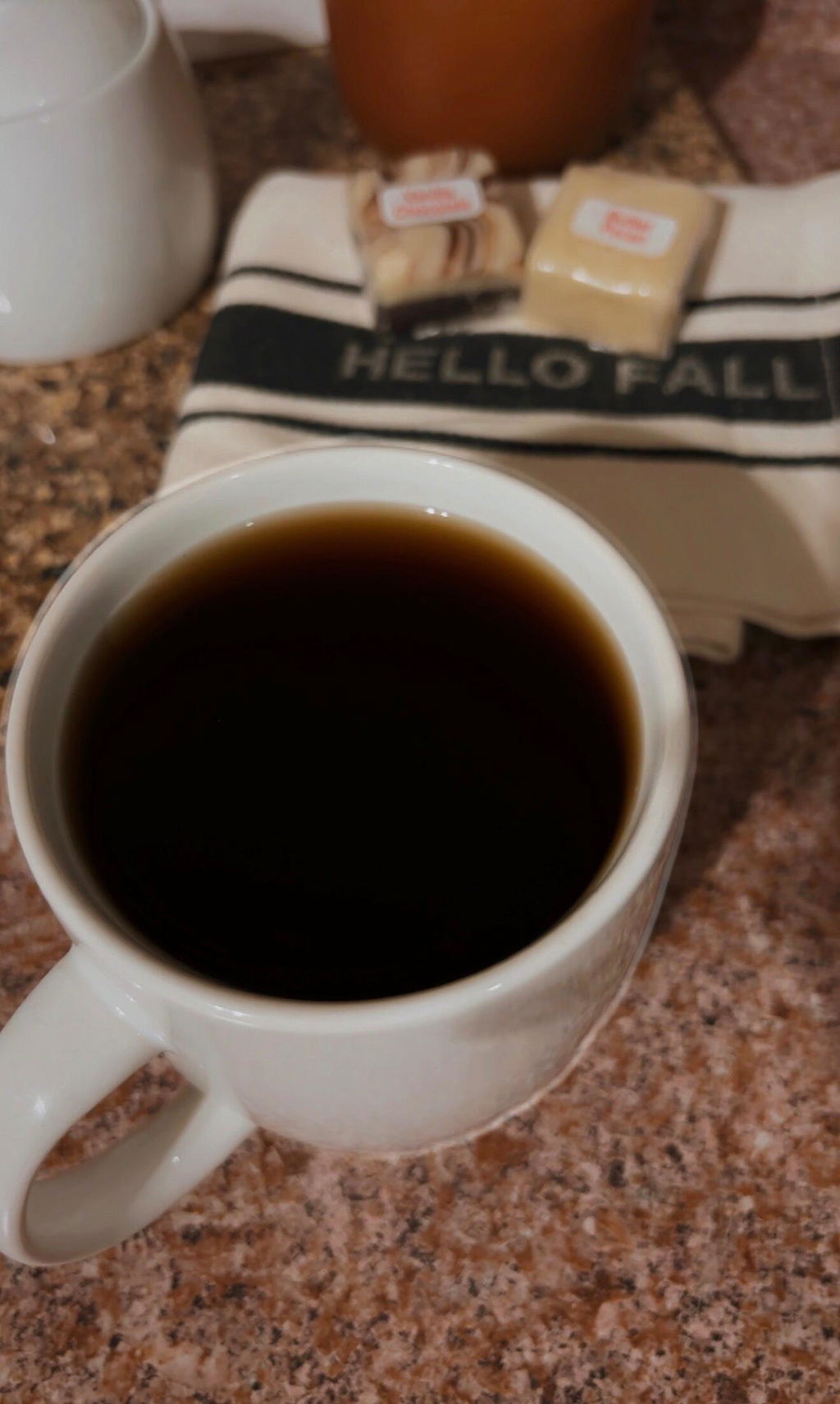
A good cup of loose leaf tea can make a rushed morning feel a little more intentional. It can also be as simple as filling an infuser, adding hot water, and getting back to your inbox. You do not need a cabinet full of gear or a long list of tasting notes to enjoy it. You just need tea you like and a few basics that let it taste the way it should.
Loose leaf is a strong fit for anyone building an at-home drink routine. Coffee may own the early hours, but tea gives you options for slower afternoons, late-night wind-downs, and caffeine levels that match the moment.
Why loose leaf tea tastes different
Loose leaf tea is made from whole or larger pieces of tea leaf, herbs, flowers, fruit, or spices rather than the very small particles commonly found in standard tea bags. Those larger pieces have room to open in hot water. As they steep, they release flavor more gradually and often with more depth.
That does not mean every loose leaf tea automatically beats every bagged tea. A carefully made tea bag can still make a great cup, and a poorly stored loose leaf tea can taste flat. The difference is usually in freshness, leaf size, ingredient quality, and how much room the tea has to expand while brewing.
Loose leaf also gives you more control. Want a stronger cup? Add a little more tea or steep it longer. Want something lighter? Use less leaf, cooler water, or a shorter steep. Once you find your preference, making tea becomes easy to repeat.
Choose tea by the moment, not the rules
The easiest way to shop tea is to start with how you want to feel when you drink it. You do not need to memorize every region or processing method before making a choice.
Black tea is a dependable choice when you want a fuller cup and a noticeable caffeine lift. It works well in the morning, with breakfast, or as an iced tea base. Add milk if that is your thing, or drink it straight when you want the tea’s maltier, brighter flavors to stand on their own.
Green tea tends to be lighter, fresher, and more vegetal or gently toasted depending on the style. It is a solid afternoon option when coffee feels like too much but you still want some energy. Green tea can turn bitter quickly with water that is too hot, so a little patience pays off.
Herbal tea is technically an infusion rather than tea from the tea plant, but it belongs in the same daily rotation. Chamomile, peppermint, rooibos, hibiscus, and fruit blends are naturally caffeine-free choices for evenings or anytime you want a warm drink without the buzz.
Oolong sits comfortably between green and black tea, with a wide range of flavor possibilities. Some are floral and light; others are roasted and rich. White tea is typically delicate and subtle, ideal for someone who enjoys a softer cup. There is no need to force yourself into a category. If you like bold flavor, start bold. If you want something calm and clean, start there.
Start with a small rotation
A three-tea lineup covers most routines: one caffeinated tea for mornings, one flexible afternoon tea, and one caffeine-free option for later. This keeps your cabinet useful without turning selection into a project.
It also makes a thoughtful gift. Pairing tea with a favorite mug turns an everyday drink into something personal without overcomplicating it. At Z’s Coffee, tea belongs in that same daily ritual as coffee, drinkware, and the gear you reach for without thinking twice.
How to brew loose leaf tea without overthinking it
You need a mug or teapot, hot water, and something to hold the leaves. A basket infuser is a great starting point because it gives the tea plenty of space to expand and is easy to clean. A small teapot with a built-in strainer works well too. Tea balls are convenient, but tightly packed leaves may not open fully inside them.
Use fresh water when possible. Water that has been boiled over and over can make a cup taste dull, especially with more delicate teas. If your tap water has a strong mineral or chlorine taste, filtered water can make a noticeable difference.
For a standard mug, begin with about one teaspoon of loose leaf tea per 8 ounces of water. Larger, fluffier blends may need more by volume, while dense rolled leaves may need less. Treat that measurement as a starting point, not a fixed rule.
Water temperature matters more than fancy equipment
Boiling water is great for many black teas, herbal blends, and darker oolongs. Green and white teas generally prefer cooler water. If you do not have a temperature-controlled kettle, let boiling water sit for a few minutes before pouring it over delicate leaves.
A simple guide helps:
- Black tea and herbal tea: near-boiling water, usually 3 to 5 minutes
- Green tea: cooler water, usually 2 to 3 minutes
- White tea: cooler water, usually 3 to 4 minutes
- Oolong tea: hot water, usually 3 to 5 minutes
Many loose leaf teas can be steeped more than once. The second cup may be softer or reveal a different side of the blend. This is especially common with oolong, green, white, and some whole-leaf black teas. Re-steeping is an easy way to get more out of a favorite tea while slowing down for a minute.
Make it work with your routine
Tea should fit your day, not create another task. If mornings are hectic, portion tea into a small container the night before and keep your infuser near your mug. If you work from home, brew a pot around midday instead of making multiple single cups. For iced tea, make a concentrated hot brew, then pour it over ice or chill it in the fridge.
Cold brewing is another low-effort option. Add loose leaf tea to cold water, cover it, and refrigerate it for several hours or overnight. Strain before drinking. Cold brew tea is usually smoother and less bitter than hot-brewed tea poured over ice, though it takes more planning.
Sweeteners and add-ins are personal. Honey can round out floral or spiced blends. Lemon works well with brisk black teas and tart herbal teas. Milk is a natural match for many black teas, but it can flatten delicate green or white teas. Try the tea plain first, then adjust. You may find it needs less added flavor than expected.
Store loose leaf tea so it stays fresh
Tea has a few enemies: air, light, heat, moisture, and strong odors. Store it in an airtight container in a cool, dry cabinet. Keep it away from the stove, dishwasher steam, and direct sunlight. A tightly sealed tin or opaque container is ideal.
Avoid storing tea in the refrigerator or freezer unless you have a specific reason and can protect it completely from moisture and odors. Tea leaves absorb surrounding scents easily. Your bright citrus blend should not come out tasting like last night’s leftovers.
Buy an amount you can enjoy while it is fresh. There is no universal expiration date because ingredients and storage conditions vary, but tea is at its best when it has been kept well and used regularly. If a tea smells faint, dusty, or strangely stale before brewing, it is probably time to replace it.
Give yourself room to find a favorite
The best loose leaf tea is not the one with the most impressive description. It is the one you want to make again tomorrow. Start with flavors that sound genuinely good, make small adjustments as you brew, and let your shelf build around real habits. A reliable mug, an easy infuser, and a tea you look forward to can make even a five-minute break feel like it belongs to you.