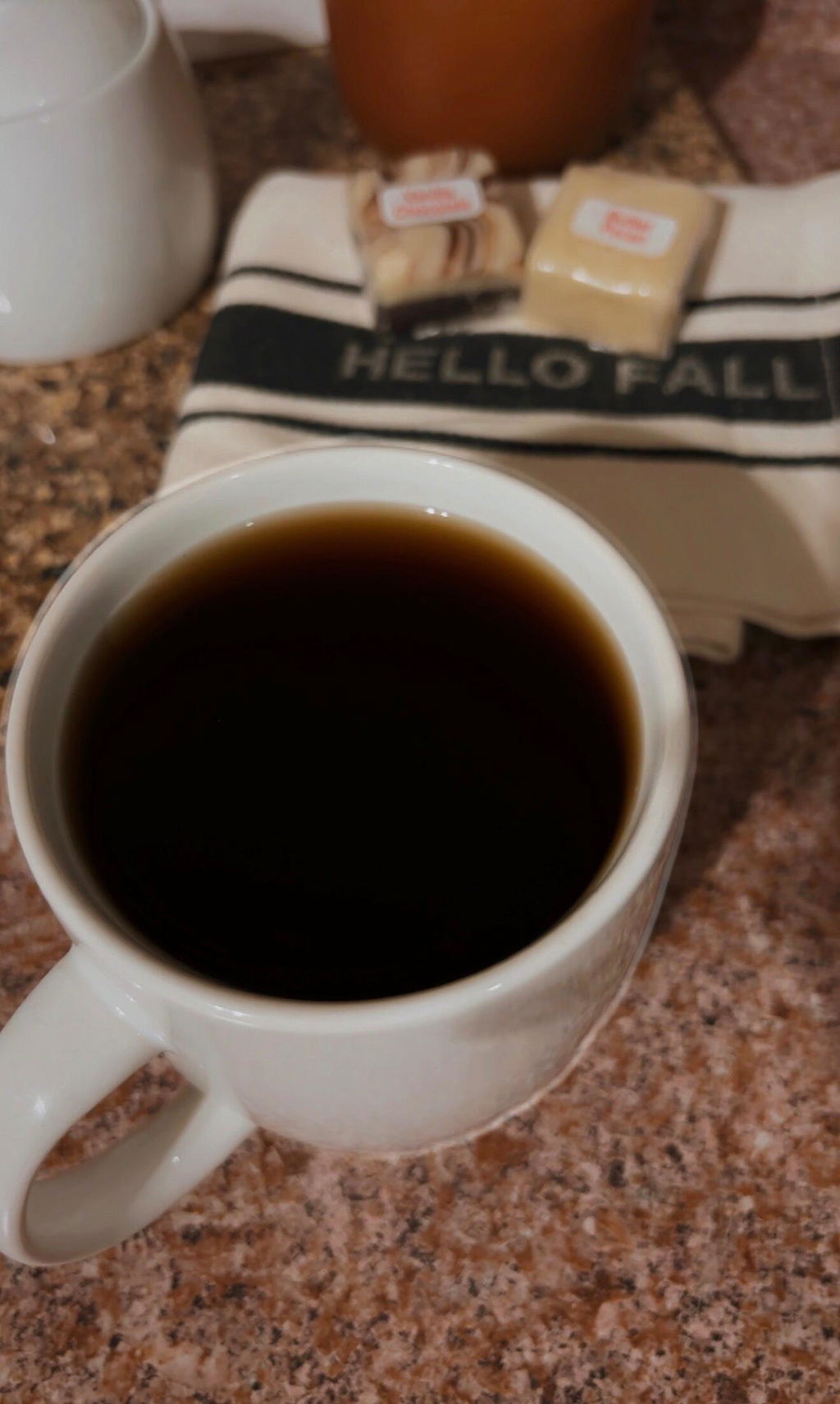
That first cup has a job to do. Maybe it gets you through a packed inbox, a study session, a school drop-off, or a slow Saturday morning. Knowing how to choose coffee beans means buying for the cup you actually want to drink, not the most complicated label on the shelf.
You do not need to memorize every coffee region or become a home barista overnight. Start with your brew method, choose a flavor direction, and buy fresh beans in an amount you can finish. The rest gets easier with each bag.
How to Choose Coffee Beans for Your Routine
The best coffee beans are not automatically the darkest, priciest, or most technical-sounding option. They are the beans that work with your equipment, taste good to you, and fit how often you brew.
Before looking at roast level or tasting notes, ask one simple question: how do you usually make coffee? A drip machine, French press, pour-over, espresso machine, and cold brew setup all bring out coffee differently. A bean that tastes bright and clean in a pour-over can feel too sharp as espresso. A deep, bold roast that stands up well to milk may taste heavy if you prefer a black cup from a drip brewer.
If your routine changes, that is fine. Look for versatile beans described as balanced, smooth, chocolatey, nutty, or caramel-like. Those profiles tend to be easygoing across common home brewing methods.
Start With the Flavor You Already Like
Coffee labels can feel like a lot: citrus, stone fruit, cocoa, brown sugar, florals, spice. Treat those notes like a helpful preview, not a test you have to pass. You may not taste every single note, but the descriptions point you toward the general direction of the coffee.
If you like a classic diner-style cup, start with coffees described as chocolatey, nutty, toasted, or rich. These are often familiar, low-drama choices for daily brewing. If you take coffee with cream or milk, those flavors also hold their own without getting lost.
If you prefer coffee black and want something lighter or more lively, look for notes such as berry, citrus, apple, floral, or tea-like. These coffees can be refreshing and layered, especially in pour-over or drip coffee. They are not necessarily sour, though bright acidity can be part of the experience.
For an espresso drink or any cup with milk, think about what you want the coffee to do. Cocoa, caramel, roasted nuts, and baking spice usually make a dependable base for lattes and cappuccinos. Fruity espresso can be excellent too, but it is a more specific taste. There is no wrong answer, only a better match for your order.
Pick a Roast Level Without Overthinking It
Roast level is one of the fastest ways to narrow your choices. It affects body, sweetness, acidity, and the overall feel of the cup, but it does not tell you everything about quality.
Light roasts generally preserve more of the bean's original character. They can taste crisp, fruity, floral, or sweet, with a lighter body and more noticeable acidity. Choose a light roast if you enjoy distinct flavors and usually drink coffee black. It is often a strong fit for pour-over, drip, and cold brew, although brewing well matters here.
Medium roasts sit in the middle. They often balance sweetness, body, and acidity, making them a smart starting point for most people. If you want one coffee that can handle a weekday drip pot, a weekend pour-over, or an occasional iced coffee, medium is a safe place to begin.
Dark roasts tend to bring deeper roasted flavors, more body, and less noticeable acidity. Expect notes closer to dark chocolate, toast, smoke, or spice. They are popular for espresso and coffee with milk because their fuller profile can stay present. The trade-off is that very dark roasting can cover some of the bean's origin character.
Do not assume light means weak or dark means stronger. Caffeine differences between roast levels are small when you measure coffee by weight. What feels strong is usually about concentration, brewing ratio, and flavor intensity.
Choose Beans or Ground Coffee Based on Convenience
Whole beans give you the most control because coffee tastes best soon after grinding. Grinding right before brewing helps preserve aroma and flavor, especially when you are buying specialty coffee with more delicate notes.
That said, pre-ground coffee is not a bad choice if it makes your routine easier. The best coffee is the coffee you will actually make. If you choose ground coffee, match it to your brewer: a coarse grind for French press and cold brew, medium for most drip makers, and fine for espresso. Using the wrong grind can lead to a weak, watery cup or one that tastes harsh and bitter.
If you buy whole beans, a basic burr grinder is a worthwhile upgrade when it fits your setup. It creates more even grounds than a blade grinder, which makes brewing more consistent. But do not let gear become the barrier between you and a good morning cup.
Check Freshness, Then Buy the Right Amount
Look for a roast date when it is available. Coffee is usually at its best after a short rest from roasting, then over the following several weeks. The exact window depends on the coffee and brew method, but the main goal is simple: avoid buying more than you can use while it still tastes lively.
For many households, a bag that lasts two to four weeks is a practical target. If you only brew a few times a week, choose a smaller bag or share a bag with someone else. Big bags can save money, but not if they sit open for months.
Store beans in an airtight container or keep them in their resealable bag with the air pressed out. Put them in a cool, dry cabinet away from sunlight, heat, and strong odors. Skip the refrigerator. Coffee can absorb smells and moisture there. Freezing can work for long-term storage if beans are tightly sealed in small portions, but it is unnecessary for a bag you will finish soon.
Origin Matters, But It Is Not a Rulebook
Coffee origin can offer a useful clue, but it should not limit your choices. Coffees from Central and South America are often associated with balanced sweetness, chocolate, nuts, and caramel. Many African coffees are known for brighter fruit and floral notes. Indonesian coffees can lean earthy, herbal, or full-bodied.
Those are broad patterns, not guarantees. Processing method, roast style, and the specific farm all matter. A coffee from one country can taste completely different from another coffee grown nearby. Use origin as a shortcut when you are comparing bags, then let your own taste make the final call.
Blends are worth considering, too. A blend combines coffees to create a consistent, approachable profile. That can be ideal when you want your daily cup to taste reliably familiar. Single-origin coffees highlight one place or lot and may offer more distinct flavors. Neither is automatically better. Blends are often great for routine; single origins can be a fun way to try something new.
Use Sample Packs to Find Your Lane
Buying one full bag based on a label can feel like a commitment, especially when you are still learning what you like. Sample packs make the process easier. Try a few roast levels or flavor profiles over several days, using the same brewer when possible. You will notice patterns quickly.
Keep the experiment simple. If one coffee tastes too bitter, try a slightly coarser grind or cooler water before writing it off. If another tastes thin, use a little more coffee or a finer grind. Small adjustments can change the cup more than you might expect.
At Z's Coffee, sample packs are a straightforward way to test a few directions before settling on your everyday bag. They also make an easy gift for the person who has plenty of opinions about coffee but has not found their regular order yet.
Let Your Taste Build the Next Purchase
After each bag, make a quick mental note: Did you like the body? Was it too bright, too roasty, too bitter, or just right with milk? You do not need a tasting journal unless that is your thing. A few honest reactions will guide your next choice better than any coffee vocabulary lesson.
Your favorite beans may change with the season, your schedule, or the mug in your hand. Start with a coffee that fits your everyday routine, give it a fair brew, and let the next bag be a small step toward the cup you look forward to making.