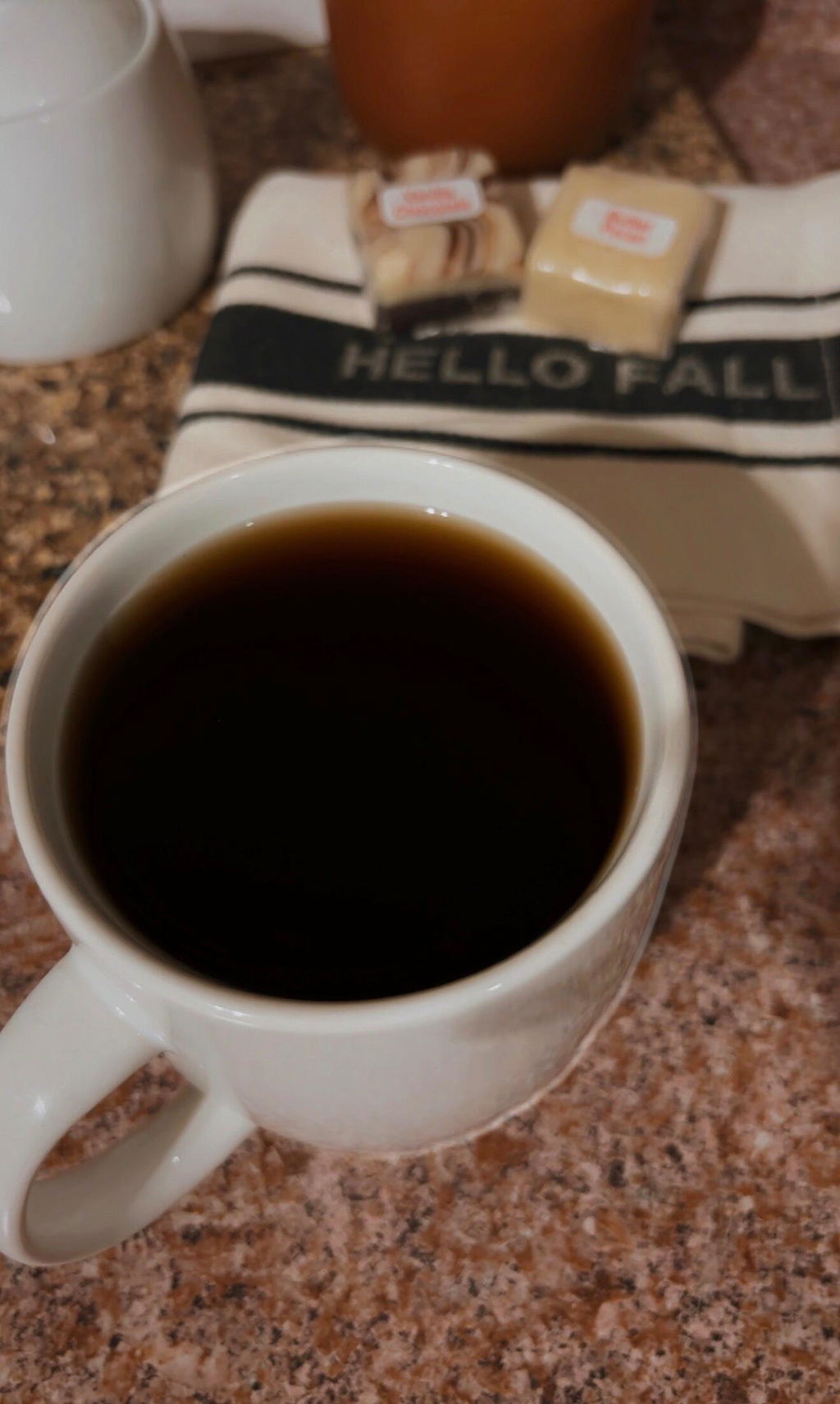
A great cup does not need a complicated counter setup, a chemistry degree, or 20 extra minutes before work. At home coffee brewing works best when it fits the way you actually live: fast on busy mornings, relaxed on slow weekends, and good enough that you want to make it again tomorrow.
The goal is not to copy a cafe exactly. It is to build a repeatable coffee routine around your taste, your schedule, and the gear you will genuinely use. Start simple, make one change at a time, and let the ritual become yours.
Start With Coffee You Want to Drink
The easiest way to improve your cup is to begin with coffee you enjoy. That sounds obvious, but it matters more than chasing the perfect brewer. If you like a fuller, deeper flavor, look for a roast that holds up well with milk or a little sweetness. If you prefer a lighter, cleaner cup, try coffees with brighter fruit or floral notes.
You do not need to know every origin, processing method, or tasting term to choose well. Think about the coffee drinks you already order or make. Do you want something bold and familiar, smooth and easygoing, or something new each week? A coffee sample pack is a low-pressure way to find out without filling your shelf with bags you may not finish.
Buy whole beans if you can, especially if coffee is part of your daily routine. Ground coffee is still completely fine when convenience wins, but beans keep their character longer. Store either one in a sealed container away from heat, sunlight, and moisture. The freezer is not necessary for the bag you are currently using.
The Small Setup That Makes a Big Difference
At home coffee brewing does not require buying every tool on coffee social media. A dependable setup can be as simple as a brewer, fresh coffee, clean water, and a way to measure. A basic scale is helpful because it removes the guesswork, but measuring scoops can get you started.
If you make coffee before heading out the door, a drip machine may be the best fit. It is easy, makes more than one cup, and asks very little of you before the caffeine kicks in. If you want more control but still need a straightforward process, a pour-over brewer gives you a clean cup and a quiet few minutes at the counter.
A French press makes a fuller-bodied coffee with more texture. It is a good choice for people who like a rich, rounded cup and do not mind a little sediment. An AeroPress is compact, quick to clean, and flexible enough for a concentrated small cup or a longer drink. Espresso machines can be fun, but they are a bigger commitment in cost, maintenance, and practice. They make sense if espresso-based drinks are your everyday favorite, not because they look good on the counter.
A burr grinder is the one upgrade that can noticeably improve almost any method. It produces more evenly sized grounds than a blade grinder, which helps the coffee extract more evenly. Still, do not let gear become a barrier. Use what you have, learn what you like, and upgrade when a clear need shows up.
Get the Coffee-to-Water Ratio Right
Most disappointing home coffee comes down to one thing: using too little coffee for the amount of water. A reliable starting point is a 1:16 ratio, meaning one part coffee to 16 parts water by weight. For one generous mug, try 20 grams of coffee with 320 grams of water.
That ratio is a starting line, not a rule carved into stone. If your coffee tastes thin, watery, or disappears under milk, use a little more coffee or a little less water. If it tastes heavy, harsh, or overly intense, add more water or reduce the dose slightly.
For anyone not ready to use a scale, start with about two level tablespoons of ground coffee per six ounces of water, then adjust from there. A standard mug often holds more than six ounces, which is why coffee can taste weak even when you think you used plenty.
The same thinking applies to iced coffee. Make the hot coffee a little stronger if you plan to pour it over ice, since melting ice adds water. For cold brew, use a coarser grind and plenty of time. A common starting ratio is one part coffee to eight parts water for a ready-to-drink batch, steeped in the refrigerator for roughly 12 to 16 hours. If you prefer to make concentrate, use less water and dilute it to taste later.
Match Your Grind to Your Brewer
Grind size controls how quickly water pulls flavor from coffee. Too fine, and the water can pull out bitter or dry flavors. Too coarse, and the cup may taste sour, flat, or weak because the water moved through too quickly.
Use a medium grind for most drip machines, a medium-fine grind for pour-over, a coarse grind for French press and cold brew, and a fine grind for espresso. These are useful lanes, not exact destinations. Every grinder and brewer behaves a little differently.
If your pour-over tastes bitter and takes forever to drain, make the grind slightly coarser. If it drains in a flash and tastes sharp or underdeveloped, go finer. Change one thing at a time, then brew again. That small bit of patience saves you from changing the grind, ratio, water temperature, and brew time all at once and having no idea what fixed the cup.
Water and Temperature Matter More Than They Seem
Coffee is mostly water, so water with a strong chlorine taste or heavy mineral flavor will show up in the mug. If you would not enjoy drinking your tap water on its own, filtered water is often a worthwhile move. You do not need specialty water packets for a solid daily cup.
For hot brewing, use water just off the boil. If you have a temperature-controlled kettle, aim for around 195 to 205 degrees Fahrenheit. No thermometer? Bring water to a boil, then let it sit for about 30 seconds before pouring. Darker roasts can taste better with slightly cooler water, while lighter roasts often benefit from hotter water.
Preheating your mug and rinsing a paper filter are small steps with practical payoffs. A warm mug keeps coffee from cooling immediately, and rinsing a filter removes papery flavor while warming the brewer. They are not mandatory on a rushed Tuesday, but they are easy wins when you have the extra minute.
Build a Routine You Will Keep
The best coffee ritual is the one that does not become another task on your list. Set up the night before if mornings are rushed. Put the brewer out, fill the kettle, and portion your coffee. That turns a groggy sequence of decisions into a simple start button or a few easy pours.
Keep your everyday mug where you brew, whether it is a favorite ceramic cup or a Z's Coffee mug that has become part of your desk setup. If you drink coffee while commuting, use a travel cup you like enough to wash and reuse. Small details make a routine feel less disposable.
For work-from-home days, a manual brew can create a useful break before opening your laptop. For early shifts, batch brewing may be smarter. For weekends, try a new coffee, make it iced, or compare two beans side by side. Your method can change with the day without making the process complicated.
Fix the Cup Before Giving Up on It
When coffee tastes off, resist the urge to write off the entire bag. Most problems have a simple adjustment behind them. Bitter, dry coffee often means the grind is too fine, the water is too hot, or the brew ran too long. Sour coffee usually needs a finer grind, more contact time, or a slightly hotter brew.
Weak coffee may need more grounds, not a finer grind. A muddy French press cup can come from grounds that are too fine or from pouring the very last bit from the press. Coffee that tastes dull may simply be stale, or it may have cooled too much before you got to it.
Give each change two or three brews before deciding it failed. Coffee has normal variation, especially when you are still pouring by hand or dialing in a new bag. Consistency comes from a repeatable dose, grind, and water amount, not from making every cup feel like a test.
Make tomorrow's cup easier on yourself: choose a coffee you are excited to open, set out the tools you will use, and leave room for the ritual to be simple. The right at-home setup is not the most technical one. It is the one that makes a better morning feel automatic.