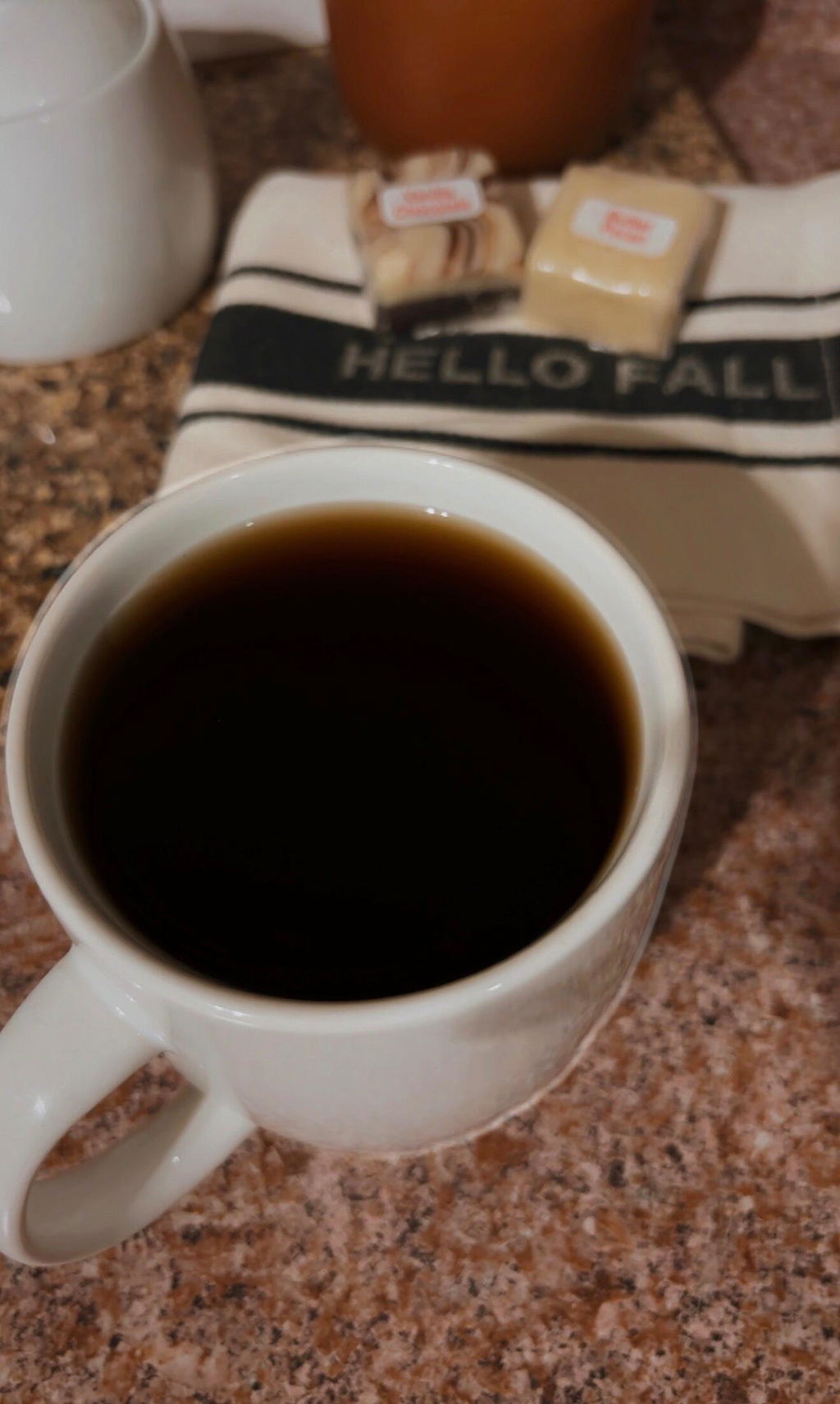
Selecting the perfect flavor pairing for your morning brew can feel overwhelming when you’re exploring beyond sugar and milk. Many coffee lovers want to elevate their home coffee experience with creative combinations but struggle to identify which flavors truly complement their beans. This article introduces the SCA Coffee Flavor Wheel as a practical framework for pairing, then explores spice infusion techniques, cultural influences, and contrast strategies. You’ll discover actionable ideas to transform your daily cup into a richer, more interesting ritual that showcases the full potential of quality coffee beans.
Table of Contents
- Key takeaways
- Understanding coffee flavors: Using the SCA Coffee Flavor Wheel
- Creative spice infusion techniques to elevate your coffee
- Flavor contrasts and cultural influences in coffee pairings
- Discover curated coffee blends and accessories at Z’s Coffee
- FAQ
Key Takeaways
| Point | Details |
|---|---|
| Flavor Wheel guides pairings | The SCA Flavor Wheel provides a structured map of coffee notes to help you choose complementary flavors. |
| Brewing methods reveal notes | Brewing the same beans with different methods shows how notes shift and expand pairing options. |
| Contrast pairings can win | Pairing fruity coffees with nutty or chocolatey elements often appeals more than matching flavors. |
| Spice infusion techniques | Spicing grounds with cardamom or cinnamon during brew creates integrated flavors without overpowering the coffee. |
| Cardamom with medium roasts | Cardamom works well with medium roasts when paired with oat milk and honey for balance. |
Understanding coffee flavors: Using the SCA Coffee Flavor Wheel
The SCA Coffee Flavor Wheel organizes coffee aromas into a three-tier hierarchy that moves from broad categories to specific notes. At the outermost ring, you’ll find major groups like Fruity, Floral, Nutty, and Spicy. The middle tier breaks these down into subgroups such as Citrus under Fruity or Jasmine under Floral. The innermost ring pinpoints exact notes like lemon zest or dark chocolate.
This systematic approach helps you identify the dominant and subtle flavors in your coffee, making it easier to select complementary pairings. When you taste notes of berry in your Ethiopian beans, you can confidently pair them with berry compote or dark chocolate. When you detect caramel undertones in a Colombian roast, honey or toffee becomes a natural match. The wheel transforms vague impressions into concrete pairing opportunities.
Key flavor categories to explore include:
- Fruity: berry, citrus, stone fruit
- Floral: jasmine, rose, chamomile
- Nutty: almond, hazelnut, peanut
- Spicy: cinnamon, clove, pepper
- Sweet: caramel, vanilla, honey
Identifying these notes in your coffee creates a roadmap for pairing experiments. If your beans showcase bright citrus acidity, try pairing with lemon pastries or orange marmalade. When nutty notes dominate, almond biscotti or pecan pie become excellent companions. Understanding your coffee’s flavor profile prevents mismatched combinations that clash rather than complement.
Pro Tip: Brew the same beans using different methods and taste side by side with the Flavor Wheel in hand. You’ll notice how pour over highlights different notes than French press, expanding your pairing confidence across brewing styles. Exploring types of coffee beans for richer flavor helps you understand how origin and processing influence the notes you detect.
Creative spice infusion techniques to elevate your coffee
Adding ground spices directly to coffee grounds before brewing creates integrated flavor without overpowering your beans. Start with just a pinch of cardamom or cinnamon per serving, mixing thoroughly with dry grounds. The hot water extraction during brewing releases aromatic compounds gradually, creating a balanced infusion that enhances rather than masks the coffee’s natural character.
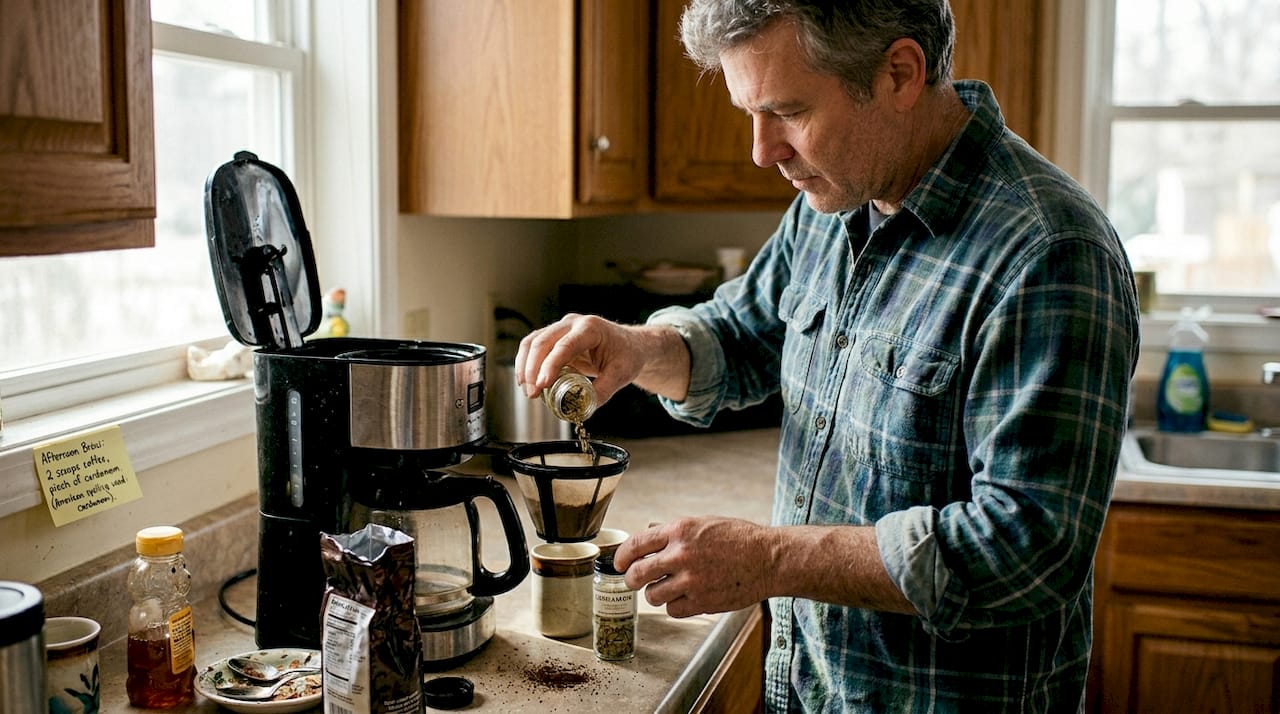
Two primary infusion methods offer different flavor profiles. Blooming involves pouring a small amount of hot water over spiced grounds and letting them sit for 30 seconds before continuing your brew. This technique intensifies spice extraction and works beautifully with bold spices like cardamom. Cold brew infusion produces subtler spice flavors without bitterness by steeping spiced grounds in cold water for 12 to 24 hours. The gentle extraction highlights delicate notes while avoiding harsh astringency.
Cardamom pairs exceptionally well with medium roasts when combined with oat milk and honey. The spice’s warm, slightly sweet profile complements the balanced acidity of medium beans without competing. Oat milk’s creamy texture softens any potential sharpness, while honey adds gentle sweetness that rounds out the flavor profile. This combination creates a comforting, aromatic experience that feels both familiar and elevated.
Over-spicing remains the most common mistake in spiced coffee preparation. Milk fats reduce astringency when you’ve added too much spice, coating your palate and mellowing harsh notes. If you prefer black coffee, reduce spice quantities by half and increase gradually. Cold brew naturally produces smoother spice integration, making it ideal for experimentation.
Best practices for spice infusion:
- Start with 1/8 teaspoon spice per 12 ounces coffee
- Mix spices thoroughly with dry grounds before water contact
- Use whole spices for cold brew, ground for hot methods
- Pair warm spices with medium to dark roasts
- Add milk or cream to balance strong spice flavors
Pro Tip: Create a spice blend jar with your favorite ratios and label it clearly. This saves time during morning routines and ensures consistent results. When you find a winning combination, you can recreate it perfectly every time. Mastering your coffee brewing guide techniques ensures your spice infusions extract properly across different methods.
Flavor contrasts and cultural influences in coffee pairings
Scientific research reveals that complementary contrasts often appeal more than matching origin pairings. When you pair a fruity Ethiopian coffee with nutty dark chocolate, the contrasting flavors create complexity that keeps your palate engaged. This differs from pairing coffee and chocolate from the same origin, which some studies show produces less interesting results. The contrast strategy works because different flavor compounds interact on your tongue, creating new taste experiences.
Acidity and flavor intensity drive pairing appeal more than simple similarity. High-acidity coffees with bright citrus notes pair beautifully with rich, fatty foods like buttery croissants because the acid cuts through the fat. Bold, intense dark roasts complement sweet desserts by providing bitter counterpoints that prevent cloying sweetness. Understanding these dynamics helps you create balanced pairings that satisfy multiple taste receptors.
Brazilian coffee culture prioritizes habit over gourmet pairing rules, offering valuable lessons for home experimentation. Traditional pairings like pão de queijo with morning coffee aren’t based on flavor wheel analysis but on cultural comfort and daily ritual. This approach reminds us that successful pairings blend personal preference with technical compatibility. Cafés can innovate by respecting traditional combinations while introducing gourmet twists.
| Strategy | Benefits | Drawbacks | Examples |
|---|---|---|---|
| Similarity pairing | Reinforces existing flavors, creates harmony | Can feel one-dimensional, less exciting | Colombian coffee with caramel flan |
| Complementary contrast | Adds complexity, engages palate | Requires more experimentation | Ethiopian coffee with hazelnut chocolate |
| Cultural tradition | Comfort, proven combinations | May limit creativity | Brazilian coffee with pão de queijo |
| Acidity matching | Cuts richness, balances fat | Can overwhelm delicate flavors | Kenyan coffee with cream cheese danish |
When experimenting with pairing strategies, consider these factors:
- Your coffee’s dominant flavor notes and intensity level
- Whether you want harmony or exciting contrast
- Cultural pairings that resonate with your background
- How acidity interacts with sweet or fatty foods
- Personal taste preferences over rigid rules
The most successful approach blends scientific flavor compatibility with cultural inspiration and personal experimentation. Start with proven combinations from the coffee collection and pairings you enjoy, then gradually introduce contrasts. Track what works in a simple notebook, noting which pairings create the most satisfying experiences. Over time, you’ll develop an intuitive sense for combinations that elevate your coffee ritual.
Discover curated coffee blends and accessories at Z’s Coffee
Now that you understand pairing frameworks and infusion techniques, exploring quality beans becomes your next step. Z’s Coffee offers curated blends specifically selected to showcase the flavor profiles discussed throughout this article. Whether you’re drawn to fruity Ethiopian beans perfect for chocolate pairings or balanced Colombian roasts ideal for spice infusions, the coffee collection and pairings provides options for every preference.

Cold brew enthusiasts will appreciate the cold brew coffee selection designed for subtle spice experiments. These beans produce smooth, low-acid brews that highlight delicate flavor notes without harshness. If you want to explore diverse flavor profiles inspired by the SCA Flavor Wheel, the flavored coffee sample packs let you taste multiple notes side by side. This hands-on approach accelerates your pairing education by revealing how different beans respond to various combinations. Browse the full range of brewing accessories and equipment to build your perfect home setup for creative coffee exploration.
FAQ
What spices work best with coffee?
Cardamom and cinnamon rank as top coffee spices, particularly when paired with medium roasts. Add just 1/8 teaspoon of ground spice per serving mixed directly into your grounds before brewing. Small quantities prevent bitterness while enhancing your coffee’s natural sweetness and aromatic complexity.
How can I prevent bitterness when adding spices to coffee?
Use milk fats to reduce astringency when you’ve over-spiced your brew. Adding cream or whole milk coats your palate and mellows harsh notes. Alternatively, try cold brew infusion methods that extract spice flavors gently over 12 to 24 hours, producing smooth results without bitterness.
Are contrasting or matching flavor pairings better?
Research shows complementary contrasts like fruity coffee with nutty chocolate often create more appealing experiences than matching origin pairs. The contrasting flavors add complexity and keep your palate engaged. However, personal taste varies significantly, so experiment with both approaches to discover what satisfies you most.
What cultural pairings can inspire my coffee experiments?
Brazilian pairings like pão de queijo demonstrate how daily habits shape successful flavor combinations beyond gourmet rules. These traditional matches offer proven starting points for your own experiments. Cafés innovate by blending cultural comfort with modern pairing techniques, creating familiar yet elevated experiences. Explore the coffee collection and pairings to find beans that work with your favorite cultural traditions.