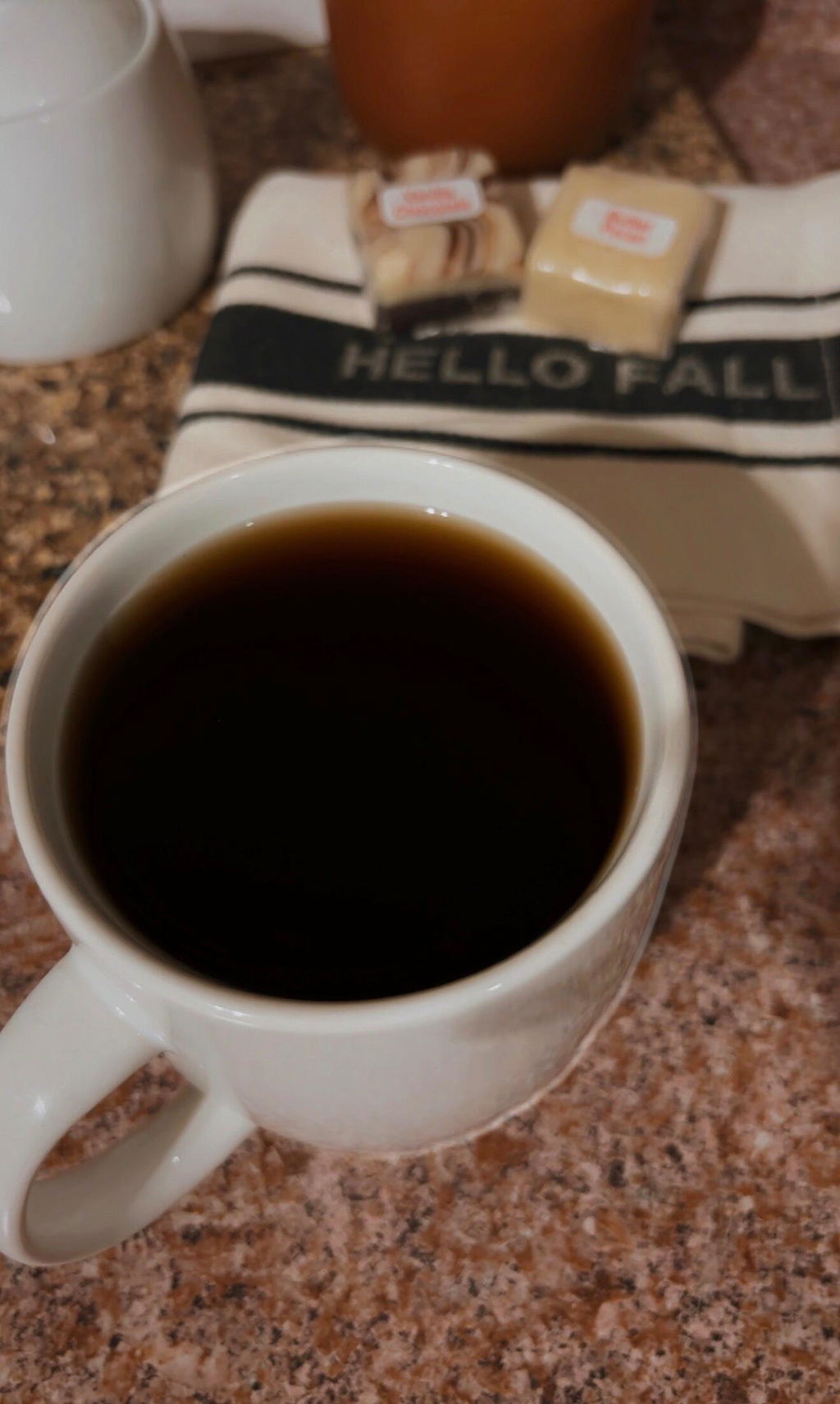
You grab your morning coffee, expecting that familiar taste, only to discover something entirely different. Many people assume all coffee tastes the same, but this couldn’t be further from the truth. Coffee origin plays a crucial role in determining flavor profiles and overall quality. Understanding where your beans come from transforms your coffee experience from routine to remarkable. This guide reveals how geographical factors shape taste, helping you select coffee that matches your preferences perfectly.
Table of Contents
- How Coffee Origin Shapes Flavor And Quality
- Comparing Coffee Origins: Flavor Profiles Around The World
- How Origin Impacts Your Brewing Experience And Coffee Selection
- Preserving Coffee Freshness And Flavor Tied To Origin
- Discover Exquisite Coffees From Around The World At Z’s Coffee
Key takeaways
| Point | Details |
|---|---|
| Origin determines flavor | Environmental factors like soil, altitude, and climate create distinct taste profiles in coffee beans |
| Regional characteristics vary | Ethiopian beans offer floral notes while Colombian beans provide balanced, nutty flavors |
| Brewing methods matter | Certain origins pair better with specific brewing techniques to maximize flavor potential |
| Freshness preservation | Proper storage maintains the unique qualities that origin imparts to your coffee |
How coffee origin shapes flavor and quality
Coffee tastes different depending on where it grows because environmental conditions fundamentally alter bean development. Coffee growing conditions like soil, altitude, and climate lead to distinct taste profiles in beans, creating the foundation for flavor complexity. These factors work together to produce beans with unique characteristics that you can taste in every cup.
Altitude stands as one of the most significant influences on coffee flavor. Beans grown at higher elevations mature more slowly due to cooler temperatures, allowing sugars to develop gradually. This extended maturation period creates brighter acidity and more pronounced flavor notes. Coffee from mountainous regions typically exhibits crisp, vibrant qualities that coffee enthusiasts prize.
Soil composition adds another layer of complexity to coffee flavor. Volcanic soils rich in minerals impart earthy undertones and depth to beans. Sandy soils produce lighter, more delicate flavors. The minerals plants absorb directly influence the chemical compounds that create taste, making soil type a crucial factor in regional coffee identity.
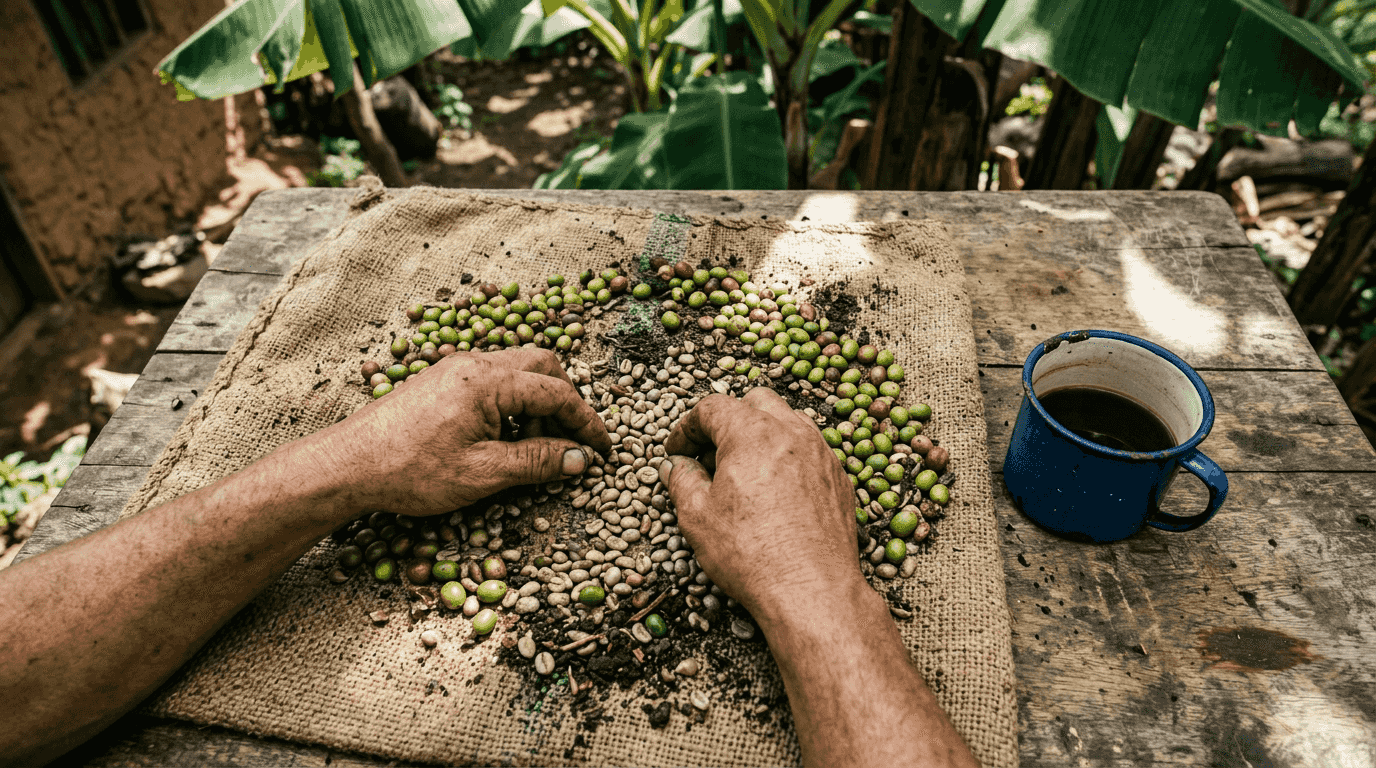
Climate patterns shape how beans develop their sweetness and body. Consistent rainfall and temperature ranges allow beans to ripen evenly, producing balanced flavors. Regions with distinct wet and dry seasons create different taste profiles than areas with year-round moisture. Temperature fluctuations during growing seasons can enhance or diminish certain flavor characteristics.
These environmental factors combine to create what coffee experts call terroir, the complete set of growing conditions unique to each location:
- Temperature ranges affect bean density and flavor concentration
- Rainfall patterns influence sugar development and acidity levels
- Sunlight exposure determines ripening speed and taste balance
- Wind conditions impact plant stress and flavor intensity
Coffee origin isn’t just about geography; it’s about the complete ecosystem that nurtures each bean from flower to harvest, creating flavors you can’t replicate elsewhere.
Understanding these scientific principles helps you appreciate why a bean from Kenya tastes nothing like one from Guatemala. Each region’s unique combination of factors produces coffee with its own personality. When you explore types of coffee beans, you’re really exploring the diverse environments where they grew.
Comparing coffee origins: flavor profiles around the world
Different regions produce coffee with dramatically different taste experiences. Different coffee origins like Ethiopia, Colombia, and Sumatra offer distinct taste experiences due to terroir differences, making origin selection a powerful tool for finding your perfect cup. Learning these regional characteristics transforms you from a casual drinker into an informed coffee enthusiast.
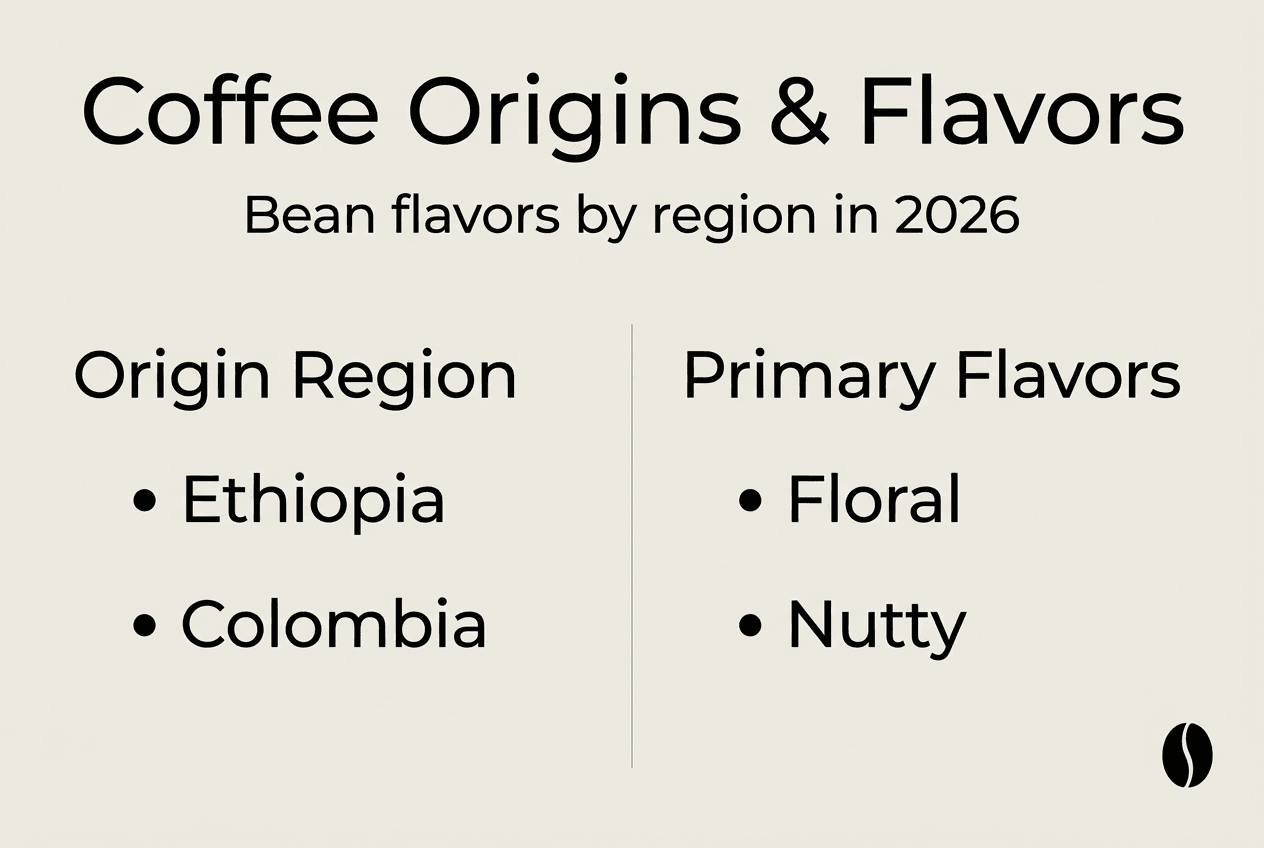
Ethiopian coffee stands out for its bright, complex flavors that often surprise first-time tasters. These beans frequently display floral aromas reminiscent of jasmine or bergamot. Fruit notes ranging from blueberry to citrus appear prominently in the cup. The birthplace of coffee, Ethiopia produces beans with wild, untamed flavors that captivate specialty coffee lovers.
Colombian coffee represents the balanced middle ground that appeals to a wide range of palates. These beans offer medium body with nutty undertones and subtle chocolate notes. Caramel sweetness balances gentle acidity, creating a smooth, approachable cup. Colombian coffee works beautifully as a daily drinker because it delivers consistency without sacrificing complexity.
Sumatran coffee takes you in a completely different direction with its full body and low acidity. Earthy flavors dominate, often accompanied by herbal or spicy notes. Some describe Sumatran coffee as having a syrupy mouthfeel with hints of cedar or tobacco. This bold profile suits those who prefer robust, intense coffee experiences.
| Origin Region | Primary Flavors | Acidity Level | Body | Best For |
|---|---|---|---|---|
| Ethiopia | Floral, fruity, citrus | High | Light to medium | Pour over, light roasts |
| Colombia | Nutty, chocolate, caramel | Medium | Medium | All-purpose, espresso |
| Sumatra | Earthy, herbal, spicy | Low | Full | French press, dark roasts |
| Kenya | Berry, wine-like, bright | Very high | Medium | Cold brew, filter coffee |
| Brazil | Chocolaty, nutty, sweet | Low to medium | Heavy | Espresso blends, medium roasts |
Brazilian coffee brings chocolaty richness with pronounced nuttiness and low acidity. These beans create a heavy body that feels substantial in your mouth. Sweet, smooth flavors make Brazilian coffee ideal for espresso blends. Many commercial coffee brands rely on Brazilian beans for their approachable, crowd-pleasing profiles.
Kenyan coffee delivers intense brightness with berry-like flavors that border on wine-like complexity. High acidity creates a lively, sparkling quality in the cup. Blackcurrant and grapefruit notes appear frequently. Coffee professionals often use Kenyan beans to showcase what high-quality arabica coffee origins and traits can achieve.
Central American coffees from Guatemala, Costa Rica, and Honduras typically offer:
- Balanced acidity with fruit-forward sweetness
- Clean, crisp finishes that refresh the palate
- Chocolate and nut base notes with fruit highlights
- Medium body that works across brewing methods
Pro Tip: Buy small amounts from three different origins and taste them side by side using the same brewing method. This direct comparison reveals how dramatically origin affects flavor, helping you identify which regional characteristics match your taste preferences.
Asian coffees beyond Sumatra include Vietnamese beans with chocolaty robustness and Indian varieties offering spice notes. Each region’s unique processing methods further enhance origin characteristics. Wet processing highlights brightness and clarity, while dry processing amplifies fruit and body.
How origin impacts your brewing experience and coffee selection
Knowing coffee origin helps you make smarter decisions about brewing methods and roast levels. Choosing coffee based on origin allows for better pairing with brewing methods and roast levels to optimize taste, turning good coffee into exceptional coffee. This knowledge eliminates guesswork and reduces wasted money on beans that don’t suit your setup.
Certain origins naturally complement specific brewing techniques. Ethiopian and Kenyan coffees with high acidity and delicate flavors shine in pour over methods. The clean extraction highlights their complex fruit notes without adding bitterness. Conversely, full-bodied Sumatran coffee works beautifully in French press, where the method’s natural oils enhance earthy richness.
Espresso demands origins that can withstand concentrated brewing without becoming harsh. Colombian and Brazilian beans provide the balanced sweetness and body that espresso requires. Their lower acidity prevents sour notes when extracted under pressure. Blending origins for espresso creates complexity while maintaining the necessary balance.
Roast level selection should align with origin characteristics you want to preserve or modify:
- Choose light roasts for Ethiopian, Kenyan, or other bright, fruity origins to preserve delicate flavors
- Select medium roasts for Colombian or Central American beans to balance acidity with developed sweetness
- Pick medium-dark roasts for Brazilian coffee to enhance chocolate notes while maintaining origin character
- Use dark roasts sparingly with distinctive origins, as heavy roasting masks unique regional flavors
- Match roast darkness to your brewing method, with lighter roasts for filter coffee and darker for espresso
Light roasts act like a magnifying glass for origin characteristics. They preserve the unique flavors that terroir creates, allowing you to taste what makes each region special. If you want to understand coffee origin deeply, start with light roasts. They reveal everything, including flaws, so quality matters more at this roast level.
Dark roasts minimize origin differences by developing roast flavors that overshadow terroir. While this suits certain preferences, it means you’re tasting the roast more than the origin. If you prefer dark roasts, origin matters less than bean quality and freshness.
Your personal taste preferences should guide origin selection. Ask yourself these questions:
- Do you enjoy bright, acidic flavors or prefer smooth, mellow coffee?
- Are fruit and floral notes appealing, or do you favor chocolate and nuts?
- Does a light, tea-like body satisfy you, or do you want substantial richness?
- Will you drink this coffee black or with milk and sugar?
Milk-based drinks benefit from origins with enough body and sweetness to cut through dairy. Brazilian and Colombian beans excel here. Black coffee drinkers can explore the full spectrum of origin flavors without interference. Cold brew enthusiasts should seek origins with inherent sweetness and low acidity, as the brewing method amplifies these qualities.
Pro Tip: Store different origin coffees in separate airtight containers labeled with purchase dates and origin details. This practice prevents flavor cross-contamination and helps you track which origins you enjoy most, building your personal flavor preference map over time.
When you choose coffee beans for home brew, consider your equipment capabilities. Some brewing methods extract more flavor compounds than others. Match high-complexity origins to brewing methods that showcase their nuances.
Preserving coffee freshness and flavor tied to origin
Even the finest origin coffee loses its distinctive character without proper storage and packaging. Proper packaging preserves the distinct flavor notes of origin coffee by protecting freshness and aroma, ensuring those unique regional qualities reach your cup intact. Understanding freshness preservation protects your investment in quality beans.
Oxygen stands as coffee’s primary enemy after roasting. Exposure to air triggers oxidation, which degrades the volatile compounds responsible for origin flavors. Those bright Ethiopian fruit notes or rich Colombian chocolate characteristics fade rapidly when beans contact oxygen. Quality packaging creates barriers that keep air away from your coffee.
One-way valve technology revolutionized coffee packaging by solving a critical problem. Freshly roasted beans release carbon dioxide for days after roasting. Traditional sealed bags would explode from gas buildup. One-way valves allow CO2 to escape while preventing oxygen from entering. This innovation lets roasters package coffee immediately while maintaining freshness.
Storage conditions in your home matter as much as packaging. Heat accelerates staling by speeding up chemical reactions that degrade flavor. Light causes similar damage through photodegradation. Moisture introduces off-flavors and can lead to mold. Your storage solution must address all these threats.
| Packaging Type | Oxygen Protection | Light Protection | Valve Included | Best Use |
|---|---|---|---|---|
| Foil bags with valve | Excellent | Excellent | Yes | Whole beans, long-term storage |
| Kraft paper bags | Poor | Moderate | Sometimes | Short-term, immediate use |
| Clear plastic bags | Poor | None | Rarely | Avoid for quality coffee |
| Vacuum-sealed bags | Excellent | Varies | No | Pre-ground coffee only |
| Airtight canisters | Good if sealed | Opaque only | No | Home storage after opening |
Common mistakes that destroy origin flavors include:
- Storing coffee in the refrigerator or freezer, where moisture and odors contaminate beans
- Keeping beans in original packaging after opening without transferring to airtight containers
- Buying more coffee than you can use within two weeks of opening
- Exposing beans to direct sunlight on countertops near windows
- Grinding entire bags at once, which accelerates staling dramatically
The ideal storage location stays cool, dark, and dry. A pantry away from the stove works well. Avoid cabinets above coffee makers or other heat sources. Temperature stability matters more than absolute temperature, so choose spots without dramatic fluctuations.
Whole beans preserve origin characteristics far longer than ground coffee. The grinding process dramatically increases surface area exposed to air, accelerating staling. If possible, grind only what you need for each brew session. This practice maintains peak freshness and flavor.
Buying smaller quantities more frequently beats stockpiling large amounts. Coffee tastes best within two to four weeks of roasting. After opening a bag, aim to finish it within two weeks. Yes, properly stored coffee remains drinkable for months, but those subtle origin notes that make specialty coffee special fade quickly.
When you packaging preserves coffee freshness, you’re protecting the work that farmers, processors, and roasters invested in creating distinctive flavors. Treat your beans with the same care they received throughout their journey from farm to your home.
Freezing coffee can work for long-term storage if done correctly. Divide beans into single-use portions in airtight bags, removing as much air as possible. Freeze immediately after purchasing. When needed, remove one portion and let it reach room temperature before opening to prevent condensation. Never refreeze thawed coffee.
Discover exquisite coffees from around the world at Z’s Coffee
Now that you understand how origin shapes flavor, it’s time to experience these differences firsthand. Z’s Coffee curates exceptional beans from renowned growing regions, bringing authentic origin flavors directly to your home. Each selection showcases the unique characteristics that make its region special.

Explore the coffee collection to discover single-origin offerings and expertly crafted blends that highlight regional strengths. Whether you prefer the bright complexity of African beans or the smooth richness of South American varieties, you’ll find options that match your taste. Try cold brew coffee for a smooth, refreshing way to experience origin flavors with enhanced sweetness and reduced acidity. For convenience without sacrificing quality, Mexico coffee pods deliver consistent origin character in every cup. Start your origin exploration journey today and taste the difference that terroir makes.
FAQ
What does coffee origin mean?
Coffee origin refers to the specific geographical location where coffee beans are grown, including the country, region, and sometimes the exact farm or cooperative. This location determines the environmental conditions that shape flavor profiles. Origin encompasses factors like altitude, soil type, climate, and local processing methods that create distinctive taste characteristics you can identify in the cup.
How does altitude affect coffee taste?
Higher altitudes produce coffee with brighter acidity and more complex flavors because cooler temperatures slow bean maturation. This extended growing period allows sugars to develop more fully while creating denser beans with concentrated flavors. Beans grown above 4,000 feet typically exhibit the crisp, vibrant qualities that specialty coffee enthusiasts seek, while lower-altitude beans tend toward milder, softer profiles.
Which coffee origin is best for espresso?
Colombian and Brazilian origins work exceptionally well for espresso due to their balanced acidity and substantial body that withstand concentrated extraction. These origins provide the sweetness and chocolate notes that create satisfying espresso without harsh bitterness. Many roasters blend multiple origins for espresso, combining the brightness of Central American beans with the body of Brazilian varieties to achieve complexity and balance.
How should I store coffee to keep origin flavors fresh?
Store coffee in airtight, opaque containers away from heat, light, and moisture to preserve unique origin characteristics. Keep containers in a cool, dark pantry rather than the refrigerator or freezer, where temperature fluctuations and odors can damage flavor. Buy only what you can consume within two weeks of opening, and always use whole beans rather than pre-ground coffee for maximum freshness and flavor retention.