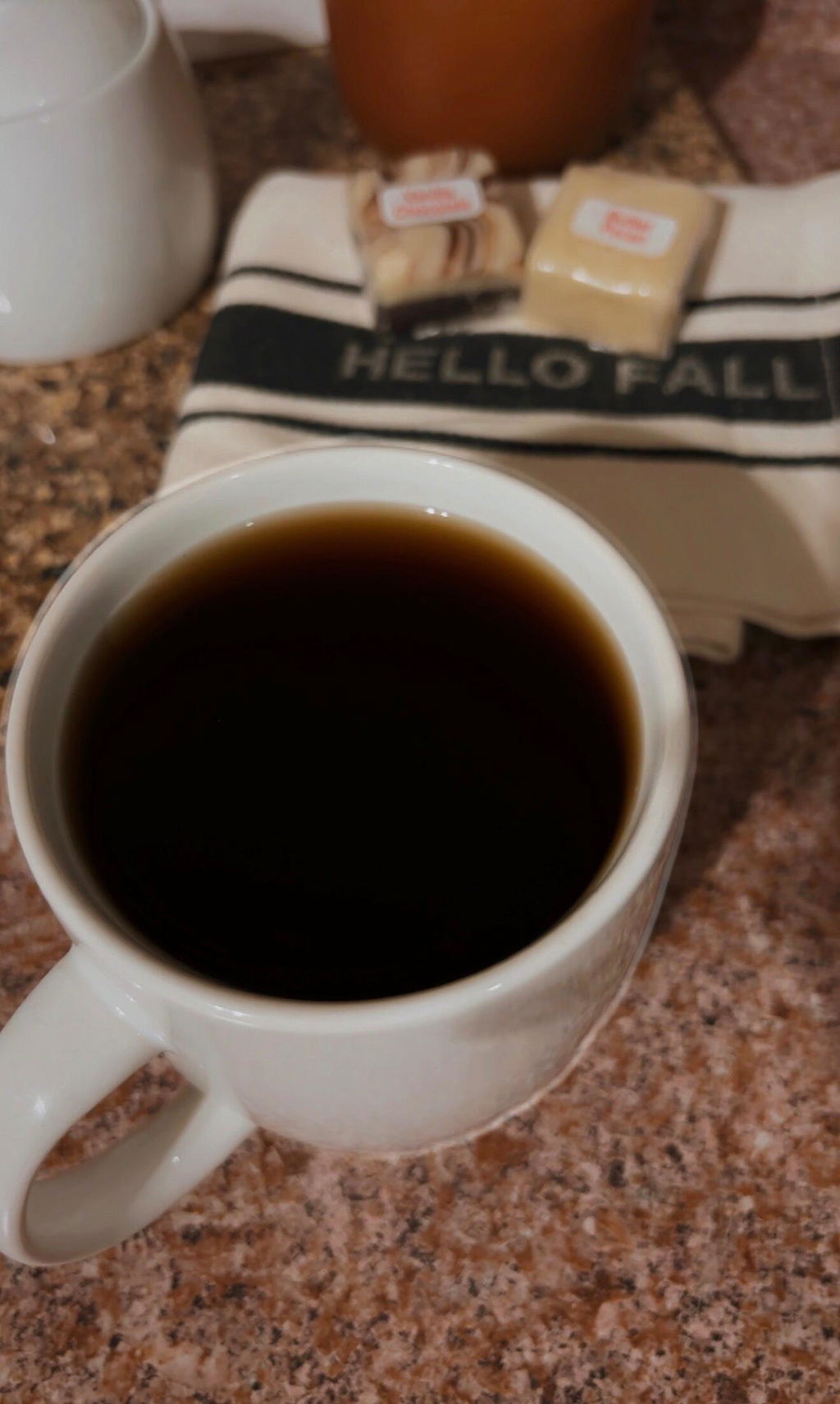
Cold brew has a reputation for being the easygoing coffee choice: smooth, mellow, and less likely to make your stomach regret a second cup. But is cold brew less acidic in a way that truly matters, or does it just taste that way? The short answer is usually yes, cold brew is often perceived as less acidic than hot coffee. The fuller answer depends on the beans, the brew method, and what you mean by “acidic.”
Is Cold Brew Less Acidic Than Hot Coffee?
Cold brew is made by steeping ground coffee in cold or room-temperature water for many hours, then filtering the concentrate or ready-to-drink coffee. Hot coffee extracts quickly with high-temperature water. That difference changes what comes out of the grounds and what you taste in the cup.
Hot brewing tends to bring forward bright, sharp flavors more easily. Think citrus, berries, green apple, or wine-like notes. Those flavors can be great, especially in a well-made light roast, but they are also the notes people often describe as acidic.
Cold water extracts coffee more slowly and differently. The result is commonly rounder, sweeter-tasting, and lower in the sharp, bright character associated with acidity. For many drinkers, that makes cold brew feel gentler and easier to drink black.
Still, “less acidic” has two meanings that get mixed together. One is pH, a measurement of how acidic a liquid is. The other is perceived acidity, meaning the tangy or bright flavor you experience. Cold brew may have lower acidity in some comparisons, but the pH difference is not always dramatic. Its smoother taste is often the more noticeable change.
Why Cold Brew Tastes Smoother
Coffee is full of compounds that contribute sweetness, bitterness, body, aroma, and acidity. Water temperature affects how readily those compounds dissolve. Hot water is fast and energetic, pulling out a broad range of flavors in minutes. Cold water takes its time.
That slower extraction can mute some high-toned, crisp flavors while emphasizing chocolatey, nutty, caramel-like, and roasty notes. It can also reduce the harsh edge people associate with over-extracted or intensely bitter coffee. The finished drink often feels fuller on the palate, especially when brewed as a concentrate and diluted over ice.
This is why two cups made from the same coffee can seem completely different. A hot pour-over might taste lively and lemony. A cold brew from those same beans might lean more toward cocoa and brown sugar. Neither is automatically better. They are just different expressions of the coffee.
Roast level matters, too. Darker roasts usually taste less bright than lighter roasts, whether you brew them hot or cold. A light, fruit-forward coffee can still make a flavorful cold brew, but it may not deliver the deep, low-acid profile some people expect. If you want the classic smooth cold brew experience, coffees with chocolate, toasted nut, or caramel-style notes are often a good starting point.
Lower Acidity Does Not Mean No Acidity
Coffee needs some acidity to taste alive. Without it, a cup can taste flat, muddy, or overly bitter. Acidity is not the same as sourness, and it is not automatically a bad thing. In specialty coffee, balanced acidity can bring clarity and sweetness to the cup.
The issue is personal preference and comfort. Some people love a bright hot coffee in the morning but want cold brew in the afternoon because it feels softer. Others find that any caffeinated coffee can bother their stomach, regardless of how it was brewed.
If you manage reflux, gastritis, ulcers, or another digestive condition, cold brew is not a guaranteed fix. A smoother cup may be more comfortable for some people, but everyone responds differently. Pay attention to your own experience, including how much coffee you drink, whether you have it with food, and what you add to it.
Milk, cream, and plant-based alternatives can change how coffee feels and tastes, too. They can soften sharp flavors, though they do not erase the coffee’s underlying acidity. Sugar syrups may make a drink seem smoother while also turning a simple coffee habit into something much sweeter than intended.
How to Make Cold Brew That Stays Smooth
A good cold brew starts with a coarse grind. Fine grounds can create a muddy cup and make filtering frustrating. Coarse grounds look closer to raw sugar or coarse sea salt than espresso powder. They allow slow extraction without pulling too much bitterness or sediment into the final drink.
Use filtered water if your tap water has a strong taste. Since cold brew is steeped for so long, water quality has plenty of time to show up in the cup. Combine coffee and water in a covered container, stir until all grounds are saturated, and steep in the refrigerator or at a cool room temperature.
Most home recipes land somewhere between 12 and 18 hours. Shorter steep times can taste lighter and sweeter; longer times can build more body but may turn woody or overly bitter. There is no prize for leaving it out for a full day. Start around 14 to 16 hours, taste, and adjust your next batch.
For an easy ready-to-drink batch, try about 1 cup of coarsely ground coffee for every 4 cups of water. After steeping, filter it carefully through a fine mesh filter, paper filter, or clean coffee filter. Serve it over ice and add a splash of water or milk if you want a lighter cup.
If you prefer cold brew concentrate, use more coffee relative to water, then dilute each serving. Concentrate is convenient for busy mornings because you can pour, add water or milk, and go. It is also easy to make too strong. Stronger is not always smoother, and a heavy concentrate can still taste bitter or feel intense if you drink it undiluted.
Beans and Freshness Still Matter
Cold brewing will not rescue coffee you do not enjoy. It can smooth rough edges, but stale beans, an extremely dark roast, or a brew left too long can still produce a dull, bitter drink.
Freshly roasted whole beans and a grinder give you the most control. If pre-ground coffee fits your routine better, that is fine - just choose a coarse grind when possible and store it sealed away from heat and light. Convenience is part of a good home coffee setup. The best method is the one you will actually use before your coffee loses its flavor.
Want to compare styles without filling your cabinet with full bags? A coffee sample pack is a practical way to test which flavor direction works for you. Brew one option hot and another as cold brew, then notice what you reach for on a workday, after the gym, or during a slow weekend morning. Your favorite coffee does not need a complicated tasting note to earn a repeat spot.
Cold Brew vs. Iced Coffee: A Quick Distinction
Cold brew and iced coffee are not the same drink. Iced coffee is hot-brewed coffee poured or chilled over ice. It can be bright, crisp, and refreshing, but it keeps the flavor profile of hot extraction. Cold brew is never brewed with hot water, which is why it tends to have that softer, heavier character.
Choose iced coffee when you want the personality of a fresh hot brew in a cold format. Choose cold brew when you want a mellow cup that is ready in the fridge and easy to pour. Both can be great black, with milk, or in your favorite mug before the ice goes in.
The best test is simple: make a small batch, drink it plain first, then adjust from there. If cold brew gives you the smoother flavor and routine you want, keep a batch ready for the week and let your morning coffee be the easy part of the day.