TL;DR:
- Limited edition coffees are small-batch, exclusive releases offering unique flavors and scarcity-driven appeal that boost consumer demand. These micro-lots build loyalty, educate palates, and generate social currency, especially among Gen Z, through storytelling and collectible packaging. Priced mainly in the $25–$40 premium tier, they provide traceability, processing transparency, and roast precision, making them a valuable investment for enthusiasts and connoisseurs.
Limited edition coffees are small-batch, exclusive releases designed to deliver unique flavor profiles and scarcity-driven appeal that standard commercial offerings cannot replicate. The role of limited edition coffees in the specialty market has shifted from novelty to strategic necessity, reshaping how roasters build loyalty, how consumers discover flavor, and how the industry defines value. As of june 2026, 58% of American adults consumed a specialty coffee in the past week, up from 48% in 2021. That 10-point jump tells you the audience for these releases is not a niche anymore.
How limited edition coffees drive exclusivity and demand
Scarcity is not a side effect of limited releases. It is the mechanism. When a roaster announces a 200-bag micro-lot from a single farm in Ethiopia, the countdown to sellout begins before the bag ships. That pressure is psychological, and it works.
The specialty coffee industry has documented this effect clearly. Seasonal and limited drops can increase customer visits by up to 24% compared to standard trading days. That lift comes from FOMO, the fear of missing out, which turns a routine purchase into a time-sensitive decision.
Gen Z is the most responsive demographic to this dynamic. Limited editions have evolved into social currency for younger consumers, turning purchases into shareable, event-like experiences. A bag of rare Gesha or a naturally processed Pacamara becomes content. It gets photographed, posted, and discussed. That organic reach is something no paid ad budget reliably produces.
Three forces combine to make limited releases so effective at generating demand:
- Psychological scarcity: A finite supply creates urgency that unlimited products cannot manufacture.
- Social proof: When a release sells out, it validates the quality in the minds of consumers who missed it.
- Community identity: Owning a limited release signals taste and knowledge within specialty coffee circles.
“Limited editions have evolved from novelty to strategic necessity, acting as social currency for Gen Z by turning purchases into sharable, event-like experiences.” — The Limited Edition Effect
What makes the flavor profiles genuinely different?
The flavor argument for limited editions is not marketing language. It reflects real differences in how these coffees are sourced, processed, and roasted. The industry term for this is single-origin micro-lot coffee, and it is the backbone of most limited releases.
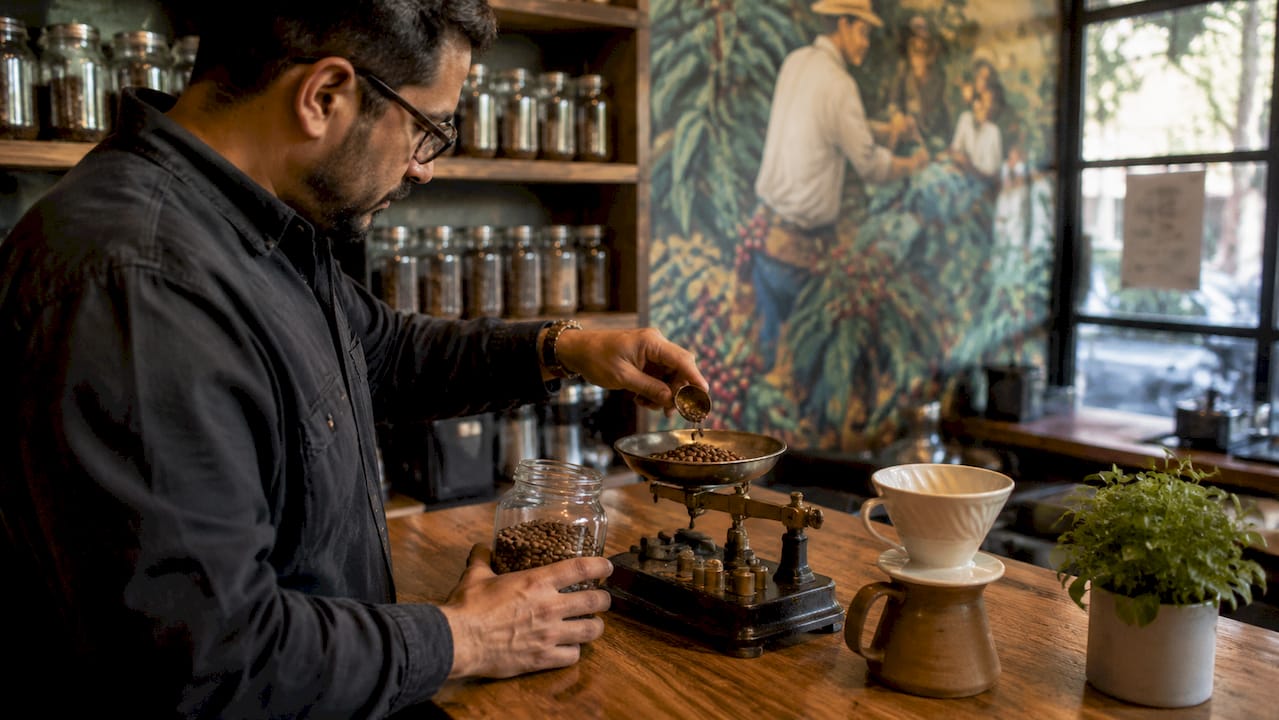
A micro-lot is a small, traceable batch from a specific plot, sometimes a single farmer’s trees, harvested during a narrow window. That specificity produces flavor that a blended commercial roast cannot replicate. You taste the altitude, the soil, and the processing method in a way that a blend deliberately smooths out.
Allpress Espresso’s Colombia Finca Patio Bonito release demonstrates this precisely. The naturally processed Pacamara variety from that single farm delivers balance and clarity that would disappear if blended with other origins. Allpress used the release to mark the opening of a new roastery, connecting a milestone moment to a specific, traceable cup.
Caffitaly takes a similar approach. Their single-origin limited editions sit alongside permanent lines as educational products, guiding consumers through flavor profiles that go well beyond generic intensity ratings. A Tanzanian Robusta processed differently than the standard commercial crop tastes nothing like the Robusta most people dismiss. That surprise is the point.
Pro Tip: When tasting a limited edition single-origin, skip the milk and sugar on the first cup. The processing method and terroir show up most clearly in a clean cup, and that is what you are paying to experience.
Limited releases also push consumers to build what you might call a palate-focused library. Each release teaches something new about how geography, fermentation, and roast level interact. Over time, you stop reaching for the same bag out of habit and start making deliberate choices based on what you have learned.
For a deeper look at how single-origin sourcing shapes taste and quality, the Zscoffee guide on single-origin coffee breaks down the key variables worth understanding before your next purchase.
Does packaging actually matter for limited releases?
The short answer is yes, and not just for aesthetics. Packaging for limited edition micro-lots serves three distinct functions: physical protection, provenance storytelling, and collectible appeal.
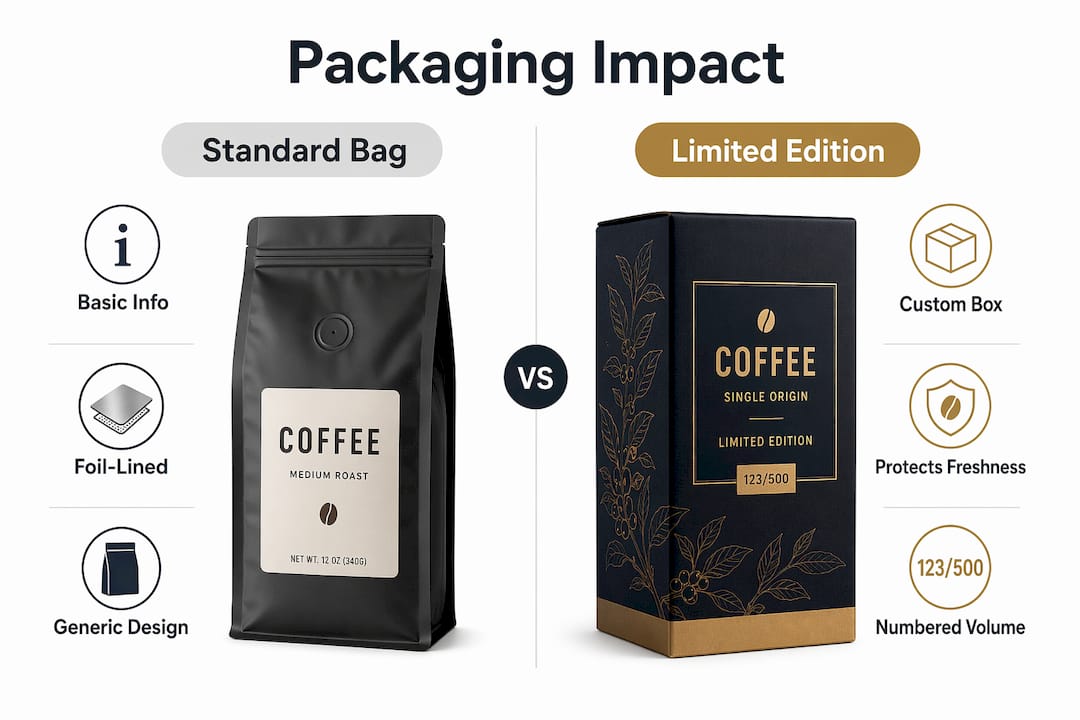
Custom boxes for micro-lots go beyond a standard foil bag by providing a protective layer that preserves freshness during shipping and storage. Some producers include physical green bean samples inside the box, letting buyers see the raw material before it was roasted. That tactile detail changes the relationship between consumer and product.
| Feature | Standard Specialty Bag | Limited Edition Custom Box |
|---|---|---|
| Origin information | Roast date, country | Farm name, altitude, farmer identity |
| Physical extras | None | Green bean samples, tasting notes card |
| Collectible design | Generic branding | Numbered volumes, artist collaboration |
| Perceived value | Moderate | High, justifies premium pricing |
| Unboxing experience | Functional | Experiential |
The numbered volume format is particularly effective. When a roaster releases a series of micro-lots as Volume 1, Volume 2, and Volume 3, it creates continuity. Collectors return for the next installment the same way readers return for the next book in a series. Limited editions foster emotional connections and brand loyalty by creating collectible experiences rather than simple transactions.
Pro Tip: If you receive a limited edition box with a numbered edition label, keep the packaging. Specialty coffee communities on platforms like Reddit’s r/Coffee and Discord servers actively discuss and trade these, and the box adds context to the conversation.
How do roasters actually launch a limited release?
The most effective limited edition launches borrow directly from music industry playbooks. Effective launches mimic album drops by building anticipation through early access windows, street teams, and coherent branding across every channel simultaneously.
Here is what a well-executed launch looks like in practice:
- Teaser phase: The roaster shares origin photos, farmer interviews, and processing footage on Instagram and email newsletters two to three weeks before the drop date.
- Early access: Subscribers or loyalty members get a 24-hour purchase window before the public release. This rewards existing customers and generates word-of-mouth before the general launch.
- Artist collaboration: A commissioned label design ties the visual identity of the release to the flavor story. A washed Ethiopian with floral notes gets a different visual treatment than a natural Brazilian with chocolate and fruit.
- Street teams and local activation: Partner cafes receive small quantities to serve as pour-overs during the launch window, creating in-person touchpoints that drive online purchases.
- User-generated content: The roaster reposts customer photos and tasting notes, extending the campaign’s reach without additional spend.
Coordinated release strategies with early access and artist collaborations are what separate a sellout from a slow-moving product that sits on the shelf. Incoherence across channels kills the event feeling that makes limited drops work.
Limited edition vs. standard specialty coffee: is the price worth it?
Price is the most common objection to limited edition coffees, and the data gives a clear answer. The median specialty coffee bag is priced at $18. Premium tier coffees in the $25–$40 range earn the highest average consumer ratings at 4.19 out of 5. Luxury tier pricing above $40 tends to show diminishing returns on those ratings.
That finding matters. It means the sweet spot for value and quality perception sits in the premium tier, which is exactly where most limited edition micro-lots land. You are not paying for diminishing returns when you spend $30 on a well-sourced limited release. You are paying for the peak of what the market consistently rates highest.
What justifies the premium beyond the rating data:
- Traceability: You know the farm, the farmer, and often the specific harvest date.
- Processing transparency: Natural, washed, honey, and experimental fermentation methods are documented, not assumed.
- Roast precision: Small batches allow roasters to dial in profiles that would be impractical at commercial scale.
- Scarcity guarantee: Once it is gone, the exact flavor profile cannot be reproduced. The next harvest from the same farm will taste different.
For context on how to evaluate pricing across specialty tiers before buying, the Zscoffee coffee buying guide covers what to look for at each price point.
Key takeaways
Limited edition coffees deliver peak value in the $25–$40 premium tier, where scarcity, traceability, and roast precision combine to produce the highest consumer satisfaction in the specialty market.
| Point | Details |
|---|---|
| Scarcity drives real demand | Limited drops increase customer visits by up to 24% through psychological urgency and FOMO. |
| Flavor is genuinely distinct | Micro-lot single-origin coffees reveal terroir and processing in ways blends cannot replicate. |
| Packaging tells the story | Custom boxes with numbered editions and origin details create collectible value beyond the cup. |
| Launch strategy determines success | Album-style drops with early access and artist collabs consistently outperform standard product releases. |
| Premium tier is the sweet spot | Coffees priced $25–$40 earn the highest consumer ratings; luxury pricing above that shows diminishing returns. |
Why limited editions are the best education in coffee
I have spent years tasting through specialty catalogs, and nothing accelerates palate development faster than a well-chosen limited edition. A standard blend teaches you what a roaster wants you to taste. A micro-lot limited release teaches you what the land, the farmer, and the season actually produced. Those are very different lessons.
The emotional dimension is real too. When I opened a numbered box from a small Colombian producer and found a handwritten note from the farmer alongside green bean samples, it changed how I thought about the cup. That is not a marketing trick. It is a genuine connection to the supply chain that most consumer products never offer.
My honest observation on the market right now: 72% of millennial and Gen Z consumers prioritize sustainability transparency when choosing specialty coffee. Limited editions are uniquely positioned to deliver that transparency because the small batch size makes full traceability practical. A 200-bag lot from a single farm can tell you everything. A 20,000-bag commercial blend cannot.
If you are approaching limited editions as a connoisseur, treat each release as a chapter in an ongoing education. Keep notes. Compare processing methods across origins. Return to the same farm across different harvests. The releases that seem most exclusive are often the ones that teach you the most. That is the real impact of specialty coffees done right, and it is why the category keeps growing.
— zachary
Explore limited edition coffees at Zscoffee
Zscoffee carries a curated selection of specialty and seasonal coffee products for enthusiasts who want more than a standard bag. Whether you are looking for a cold brew option that highlights single-origin character or a premium instant coffee for travel without sacrificing quality, the Zscoffee catalog is built for serious coffee drinkers.
The cold brew coffee selection at Zscoffee is a strong starting point if you want to experience how specialty sourcing translates into a ready-to-drink format. For those who want specialty quality on the go, the instant coffee range brings premium options to situations where brewing equipment is not an option. New seasonal and limited drops are added regularly, so checking back often is worth your time.
FAQ
What is the role of limited edition coffees?
Limited edition coffees create exclusivity, educate consumers on unique flavor profiles, and drive brand loyalty through scarcity-driven releases. They serve as both a marketing tool and a sensory education product within the specialty coffee market.
Why choose a limited edition coffee over a standard bag?
Limited edition coffees offer full traceability, distinct terroir-driven flavors, and roast precision that standard blends cannot match. Consumer ratings consistently peak in the $25–$40 premium tier where most limited releases are priced.
How do limited edition coffee releases build hype?
Roasters model successful launches on music album drops, using early access windows, artist collaborations, and coordinated social media campaigns to create an event-like experience. This approach can increase customer visits by up to 24% compared to standard trading days.
Are limited edition coffees worth the higher price?
Yes, within the premium $25–$40 range. Data shows this tier earns the highest average consumer ratings at 4.19 out of 5, while luxury pricing above that tends to show diminishing returns on satisfaction.
What should i look for in a limited edition coffee?
Look for documented origin information including farm name, altitude, and processing method. Numbered packaging, green bean samples, and farmer identity details signal a release with genuine provenance rather than a marketing label on a standard product.