TL;DR:
- International coffees reflect local culture and tradition, offering unique flavors and preparation methods.
- Choosing authentic beans and using proper brewing techniques enhances the cultural experience and flavor profile.
What are the best international coffees to try right now?
The world’s most compelling coffee experiences go far beyond espresso and cold brew. From Vietnam’s sweetened condensed milk drip to Norway’s cheese-paired kaffeost, the range of must-try international coffees reflects centuries of local culture, climate, and creativity. Here’s a quick orientation before we go deep.
Iconic international coffee drinks worth knowing:
- Vietnamese iced coffee (cà phê sữa đá): Strong, slow-dripped through a metal phin filter directly over sweetened condensed milk and ice. Rich, sweet, and nothing like Western iced coffee.
- Greek frappé: Instant coffee, sugar, and water shaken vigorously for 25–30 seconds to build a thick, airy foam. Born in Thessaloniki in 1957 and still the default summer drink across Greece.
- Dalgona coffee: Whipped instant coffee and sugar foam spooned over cold milk. It went viral globally in 2020 and hasn’t really left.
- Café au lait: Equal parts brewed coffee and steamed milk, a French staple that rewards a good medium roast.
- Irish coffee: Hot coffee, Irish whiskey, brown sugar, and a float of lightly whipped cream. Invented at Foynes Airport in 1943.
- Malaysian white coffee: Beans roasted with margarine, then brewed and served with sweetened condensed milk for a buttery, aromatic cup.
- Scandinavian kaffeost: Coffee poured over cubes of squeaky cheese, a tradition from northern Sweden and Finland that turns a drink into a ritual.
- Marocchino: An Italian layered drink of espresso, cocoa powder, and milk foam, served in a small glass dusted with more cocoa.
- Turkish coffee: Unfiltered, simmered in a cezve with sugar, and served with the grounds still settling. Dense, aromatic, and deeply traditional.
- Cortado: Equal parts espresso and warm milk, originating in Spain. Less foam than a cappuccino, more balance than a straight shot.
Notable global roasters shaping the conversation:
- Tim Wendelboe (Oslo, Norway): One of the most influential specialty roasters alive. Won the World Barista Championship in 2004 and has spent two decades sourcing directly from farms in Ethiopia, Colombia, and Guatemala.
- Coffee Collective (Copenhagen, Denmark): Built on direct trade and transparency, publishing full price breakdowns for every lot they buy. Multiple Nordic Barista Cup wins.
- Bows Coffee Roasters: Known for meticulous single-origin sourcing and a focus on traceability from farm to cup.
- Coffee Supreme (Wellington, New Zealand): A roaster with a cult following across New Zealand and Australia, recognized for approachable blends and strong café partnerships.
- Langøra Kaffe (Norway): A smaller Norwegian roaster gaining recognition for precise light roasts and a commitment to showcasing terroir.
- Pilot (UK): Award-winning roaster with a reputation for clean, expressive single-origins and a strong wholesale presence across Europe.
The Superior Taste Awards, organized by the International Taste Institute in Brussels, serve as one of the most credible benchmarks in global coffee. Products are judged blind by more than 250 chefs and sommeliers, scored on appearance, aroma, taste, texture, and overall sensation. A three-star rating from the International Taste Institute requires coffees to achieve a score of 90% or higher from its blind panel of over 250 chefs and sommeliers.
The cultural stories behind iconic international coffee drinks
Every great coffee drink carries a story. Understanding where a drink came from changes how you taste it.
Vietnamese iced coffee
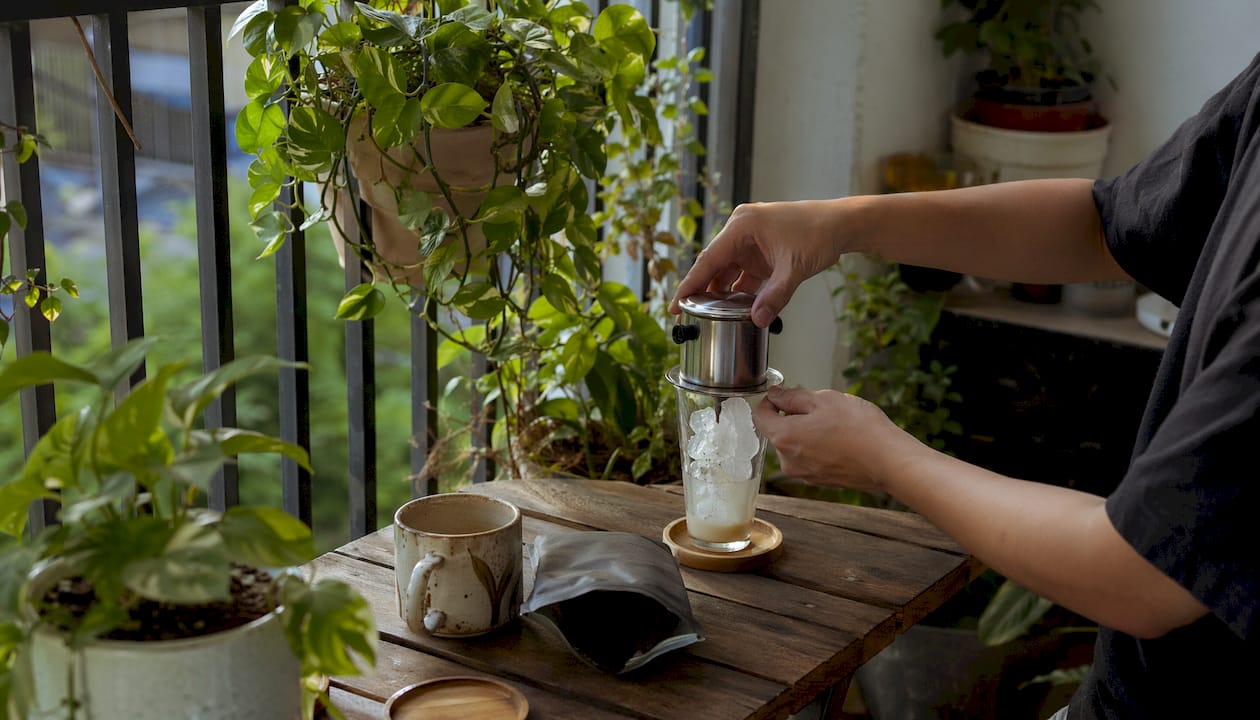
Cà phê sữa đá developed during the French colonial period, when fresh milk was scarce and sweetened condensed milk became the practical substitute. The phin filter, a small metal drip device, produces a concentrated brew that takes 4–5 minutes to drip. That slow pace is intentional. You wait, you watch, and then you stir the condensed milk up through the coffee before pouring it over ice. The result is intensely sweet and strong in a way that no cold brew replicates.
Greek frappé
The frappé was invented accidentally by a Nescafé representative named Dimitris Vakondios at the 1957 Thessaloniki International Fair. He couldn’t find hot water, shook instant coffee with cold water in a shaker, and the foam did the rest. Authentic preparation requires shaking for 25–30 seconds to develop the thick foam layer that defines the drink’s texture. Skip that step and you just have iced instant coffee.
Pro Tip: Use a cocktail shaker instead of a hand frother for Greek frappé. The vigorous shaking creates a denser, longer-lasting foam than any electric device.
Dalgona coffee
Dalgona coffee’s whipped foam is made by beating equal parts instant coffee, sugar, and hot water until stiff peaks form, then spooning it over milk. The physics matter: sugar stabilizes the foam, and instant coffee’s soluble proteins help it hold structure. Espresso won’t work here. The technique is forgiving once you understand why it works.
Café au lait
Café au lait is a French morning ritual, not a café menu item. The traditional version uses a dark roast brewed in a French press or drip machine, poured simultaneously with hot steamed milk into a wide bowl. In New Orleans, the local version adds chicory to the coffee, which cuts bitterness and adds a woody, slightly sweet note that has become its own regional identity.
Irish coffee
Irish coffee was created by chef Joe Sheridan at Foynes Airport in County Limerick in 1943 to warm American passengers stranded by bad weather. The cream floats because it’s lightly whipped, not fully stiff. Pour it over the back of a spoon to keep it on top. Drink through the cream rather than stirring it in.
Scandinavian kaffeost
Kaffeost is a Finnish and Swedish tradition where cubes of a mild, squeaky cheese called leipäjuusto are placed in a cup and hot coffee is poured over them. The cheese softens but doesn’t melt, absorbing the coffee’s bitterness while releasing a subtle sweetness. As barista Morgan Eckroth has noted about global trends, the industry is moving toward coffee as a full sensory experience, and kaffeost has been doing that for centuries.
Six global roasters worth ordering from
Tim Wendelboe
Based in Oslo, Tim Wendelboe is the roaster most specialty coffee professionals cite when asked who shaped modern light roasting. His direct relationships with farms in Ethiopia and Colombia mean he often publishes the exact price paid per kilogram, a level of transparency rare even in specialty coffee. His espresso blends are designed to be brewed without milk, which tells you everything about his confidence in the beans themselves. Bags ship internationally through his Oslo shop.
Coffee Collective
Copenhagen’s Coffee Collective publishes full payment breakdowns for every coffee lot, showing farmers, cooperatives, and export costs. That practice started as an ethical commitment and became a marketing differentiator. Their single-origins tend toward bright, fruit-forward profiles that reward a pour-over or AeroPress. They ship to the US through their online store.
Bows Coffee Roasters
Bows Coffee Roasters focuses on single-origin lots with documented traceability, appealing to coffee drinkers who want to know the farm, the altitude, and the processing method before they buy. Their roast profiles lean toward showcasing origin character rather than roast character, which means you’ll taste the bean, not the drum.
Coffee Supreme
Wellington-based Coffee Supreme built its reputation on blends that work across multiple brew methods without demanding precision from the brewer. That accessibility made them a favorite among café owners across New Zealand and Australia. Their approach to sourcing emphasizes long-term relationships with producers, and their bags are available through select US specialty retailers.
Langøra Kaffe
Langøra Kaffe is a Norwegian roaster earning attention for light, expressive roasts that highlight terroir in a way that larger roasters rarely achieve. Their production volumes stay small by design, which keeps quality control tight. Finding their beans in the US requires ordering directly from Norway, but the shipping is straightforward.
Pilot
UK-based Pilot has built a strong reputation for clean, expressive single-origins and a wholesale network that spans Europe. Their competition-level lots have placed well in blind tastings, and their retail bags are accessible to US buyers through their website. The Superior Taste Awards have recognized coffees in their category for balance, aroma, and innovation, the same qualities Pilot consistently delivers.
How to choose and brew international coffees at home
Picking the right coffee from a global catalog feels overwhelming until you narrow it down by a few honest criteria.
Start with flavor preference, not origin:
- If you like sweetness and low bitterness, look for washed Ethiopian or Colombian beans, or try Malaysian white coffee for something completely different.
- If you prefer bold, earthy cups, Turkish coffee or a Northern Italian espresso blend like Caffè Roen’s 80% Arabica and 20% Robusta “Extra Bar” will suit you.
- For fruit-forward brightness, Scandinavian light roasts from roasters like Tim Wendelboe or Coffee Collective are the clearest expression of that style.
Match the brewing method to the drink’s origin:
- Vietnamese iced coffee requires a phin filter. A drip machine won’t replicate the concentration or the ritual.
- Café au lait works best with a French press or a strong drip brew, not espresso.
- Greek frappé and Dalgona coffee both need instant coffee. Specialty whole-bean coffee won’t produce the foam chemistry these drinks depend on.
- Turkish coffee needs a cezve and very fine grind. Most home grinders can’t go fine enough, so buying pre-ground Turkish coffee is the practical choice.
Sourcing authentic beans in the US:
Specialty roasters like those profiled above ship directly to US addresses. For beans with specific certifications or award recognition, check whether the roaster lists their brewing techniques alongside their product pages. Zscoffee’s international coffee selection also carries a range of globally sourced options for enthusiasts who want to explore multiple origins without ordering from five different countries.
Pro Tip: Before brewing any new international coffee, smell the dry grounds for 30 seconds. Your nose will calibrate your expectations and make the flavor experience noticeably richer when you finally taste it.
Tasting international coffees well means slowing down. Drink the first sip without milk or sugar, even if the traditional preparation calls for both. You’ll understand what the base coffee actually tastes like, which makes the full preparation more meaningful. Exploring coffee culture and traditions alongside the drinks themselves adds context that changes how you experience each cup.
Discover international coffees at Zscoffee
Zscoffee carries a curated range of globally sourced coffees and brewing accessories, all available for direct delivery across the US. Whether you’re tracking down a specific single-origin or picking up the gear to brew Vietnamese iced coffee at home, the full product collection covers both. Browse the selection at zscoffee.shop.
Key Takeaways
The most rewarding international coffees combine distinctive preparation techniques with beans sourced from specific regions, and understanding both elements is what separates a good cup from a great one.
| Point | Details |
|---|---|
| Preparation technique matters | Greek frappé requires 25–30 seconds of shaking; Dalgona needs instant coffee, not espresso, to form stable foam. |
| Origin shapes flavor | Washed Ethiopian beans deliver fruit-forward brightness; Northern Italian blends favor nuts, cocoa, and low acidity. |
| Top roasters prioritize transparency | Roasters like Tim Wendelboe and Coffee Collective publish farm-level pricing and sourcing details. |
| Superior Taste Awards signal quality | Three stars are awarded only to coffees that score 90% or higher from the International Taste Institute’s panel of more than 250 chefs and sommeliers. |
| US access is easier than it looks | Most featured roasters ship directly to the US, and platforms like Zscoffee stock internationally sourced options domestically. |