TL;DR:
- Specialty coffee is defined by scores of 80+ on the SCA scale with full traceability.
- Focus on fresh, whole beans with proper grind size and clean water for optimal brewing.
- Systematic tasting and relationship-based sourcing develop palate and ensure quality over time.
Standing in front of hundreds of international coffee options, whether online or in a specialty shop, most home brewers freeze. The flavor notes sound poetic, the origins feel exotic, and the roast profiles seem technical. But choosing the right international coffee does not have to be overwhelming. This guide cuts through the noise by giving you a practical, step-by-step framework for identifying, selecting, and brewing world-class specialty coffee at home, no barista certification required.
Table of Contents
- Understanding specialty coffee: The foundation of international selection
- What you need: Criteria and tools for international coffee selection
- Step-by-step: How to choose and brew international specialty coffee at home
- Common mistakes and troubleshooting your international coffee journey
- A coffee curator’s perspective: What most guides miss about international selection
- Discover and shop premium international coffee selections
- Frequently asked questions
Key Takeaways
| Point | Details |
|---|---|
| Start with specialty standards | Use SCA ratings and traceability to filter international coffee choices. |
| Choose equipment wisely | A burr grinder, accurate scale, and proper brew method bring out coffee’s full flavor. |
| Explore origins and roasts | Light and medium roasts highlight origin nuances; expand as your palate grows. |
| Prefer sustainability | Select Rainforest Alliance or Fair Trade certified coffees for ethical sourcing. |
| Begin with approachable beans | Colombian washed coffees are perfect for home brewers trying international varieties. |
Understanding specialty coffee: The foundation of international selection
Before you spend money on beans from Ethiopia, Colombia, or Guatemala, you need to understand what the word “specialty” actually means. It is not just marketing language. The SCA defines specialty coffee as coffee scoring 80 or more points on a 100-point standardized scale, evaluated across attributes like aroma, flavor, aftertaste, acidity, body, and balance.
That scoring process is carried out by Q-graders, which are certified professionals trained to evaluate coffee using a globally recognized method called cupping. Think of cupping as a blind tasting panel for coffee. Q-graders assess each lot using the same protocol regardless of country, which gives you a trustworthy, apples-to-apples comparison of beans from different parts of the world. When you see a Q-grade or SCA cupping score on a product page, that number carries real meaning.
Traceability is equally important. Specialty coffee should tell you exactly where it came from: the farm name, the region, the processing method, and ideally the farmer or cooperative behind it. This level of detail is not just feel-good marketing. It directly correlates with quality because farms that invest in traceability also tend to invest in careful harvesting, processing, and quality control. Understanding specialty coffee standards gives you the vocabulary to read product descriptions critically rather than just trusting pretty packaging.
Key markers of specialty coffee at a glance:
- SCA score of 80 or higher (look for 85+ for truly exceptional lots)
- Full traceability to farm, region, or cooperative
- Transparent processing method (washed, natural, honey)
- Harvest and roast date on packaging (avoid anything older than 3 months post-roast)
- Grown at altitude, which slows bean development and intensifies flavor compounds
- Evaluated by a certified Q-grader
Understanding these markers protects you from paying specialty prices for commodity-grade coffee dressed up in artisan packaging.
What you need: Criteria and tools for international coffee selection
With specialty standards in mind, let’s get practical. Selecting great international coffee starts with four core criteria. First, prioritize the SCA score. SCA CVA-evaluated lots from traceable farms are your safest starting point for home brewing because they have been objectively verified. Second, check traceability. Third, consider origin and its typical flavor profile. Fourth, think about roast style relative to your brewing method.
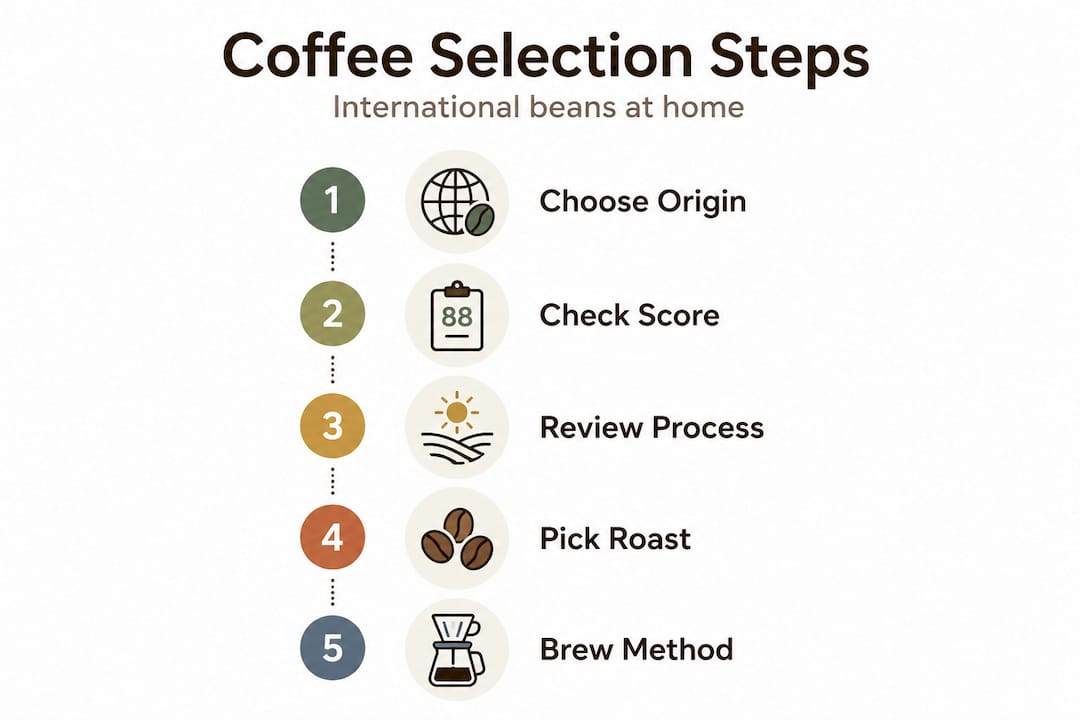
Your home setup matters as much as the beans themselves. A burr grinder (not a blade grinder) is the single most impactful investment for improving cup quality. Burr grinders produce even particle sizes, which leads to even extraction. A kitchen scale, filtered water, and a reliable brewing device round out the essentials. Whether you use a pour over, French press, AeroPress, or espresso machine, mastering home brewing technique will always amplify your bean selection.
Quick four-point selection checklist:
- SCA score of 80+ confirmed
- Farm or cooperative name listed on packaging
- Roast date within the last 6 to 8 weeks
- Processing method matches your flavor preferences
Here is a practical origin comparison to help you match beans to your brewing style:
| Origin | Flavor notes | Processing style | Best brew method |
|---|---|---|---|
| Colombia | Caramel, red fruit, mild acidity | Washed | Pour over, drip |
| Ethiopia | Blueberry, jasmine, citrus | Washed or natural | Pour over, AeroPress |
| Guatemala | Dark chocolate, smoky, balanced | Washed | French press, espresso |
| Brazil | Nuts, low acidity, creamy body | Natural | Espresso, cold brew |
| Kenya | Blackcurrant, bright acidity, wine-like | Washed | Pour over |
| Peru | Mild, clean, cocoa, gentle sweetness | Washed | Drip, AeroPress |
Exploring single origin coffee varieties from this table is one of the most direct ways to train your palate and understand how geography shapes flavor.
Pro Tip: If you are new to specialty coffee, start with a Colombian medium roast from a washed process lot. Colombian beans are forgiving, consistent, and produce a clean, approachable cup that makes it easy to identify flavor notes without getting lost in intensity.
Step-by-step: How to choose and brew international specialty coffee at home
Once you are equipped with the right tools and knowledge, you can dive into the actual process. Here is a clear walkthrough that takes you from research to the finished cup.
- Research your origin. Read the tasting notes and check the altitude (higher than 1,500 meters above sea level is a good benchmark). Cross-reference the farm or cooperative name.
- Buy fresh. Order whole beans roasted within the last 4 to 6 weeks. Freshness affects volatile aromatic compounds more than almost any other variable.
- Match roast level to your method. Light roasts suit pour over and AeroPress. Medium roasts work well across most devices. Dark roasts excel in French press and espresso.
- Grind right before brewing. Set your burr grinder to a coarseness level that matches your method. Adjust in small increments until your extraction tastes balanced.
- Control your water. Use filtered water at 195 to 205 degrees Fahrenheit. Hard tap water introduces mineral interference that masks delicate coffee flavor profiles.
- Evaluate and adjust. Taste the cup and note what you detect. Too sour means under-extraction (grind finer or brew hotter). Too bitter means over-extraction (grind coarser or brew cooler).
Here is how roast level interacts with origin and brewing outcome:
| Roast level | Best regional match | Flavor impact | Ideal brew method |
|---|---|---|---|
| Light | Ethiopia, Kenya, Colombia | High acidity, floral, fruit-forward | Pour over, AeroPress |
| Medium | Colombia, Guatemala, Peru | Balanced sweetness, caramel, mild acidity | Drip, pour over |
| Dark | Brazil, Sumatra, Guatemala | Bold, smoky, low acidity, heavy body | French press, espresso |
As the SCA notes, light roasts preserve origin character because they do not drive off the volatile compounds that define a region’s unique signature.
“Light roasts preserve origin character, making them ideal for home enthusiasts seeking uniqueness in every cup.”
Understanding washed coffee explained is also worth your time. Washed coffees tend to be cleaner and brighter because the fruit is removed before drying, letting the bean’s true character shine. Natural processed coffees, where the fruit dries on the bean, add fruity, wine-like complexity that many enthusiasts love.
Pro Tip: Once you have a few Colombian or Guatemalan cups under your belt, try an Ethiopian washed coffee. The floral aromatics and berry-like acidity are unlike anything else in the coffee world, and experiencing that contrast accelerates your palate development faster than reading any description.
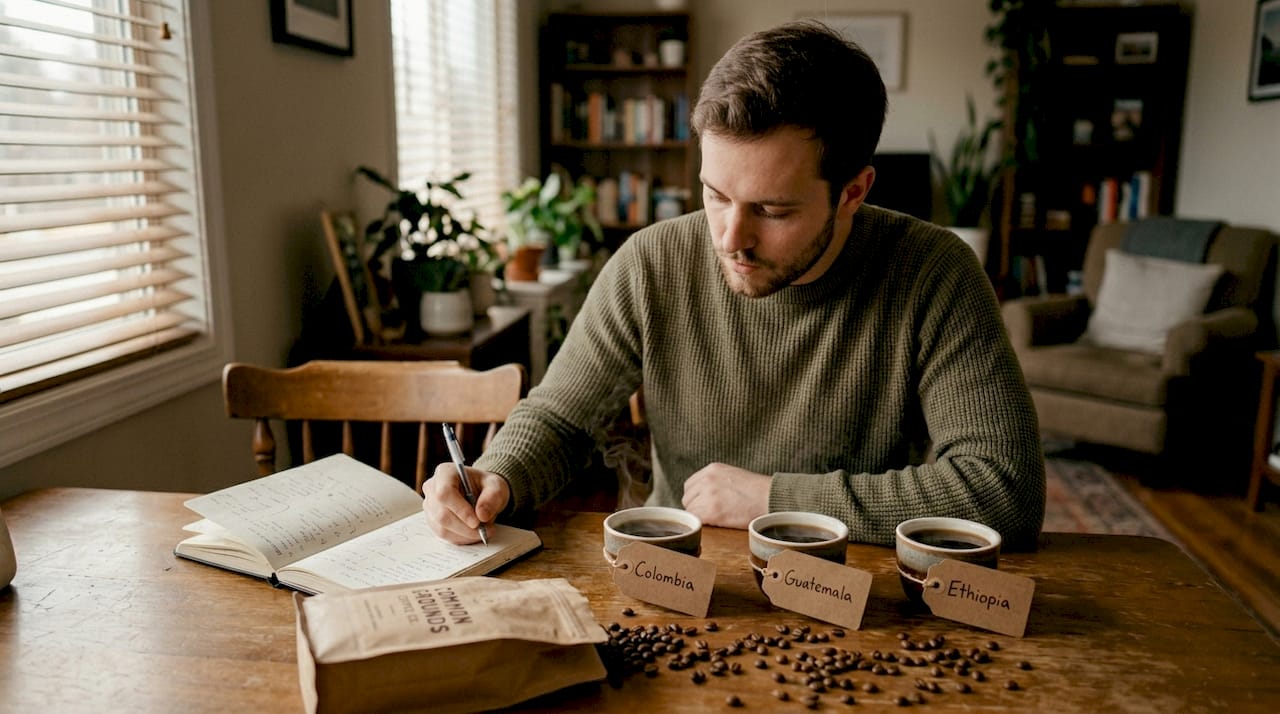
Balancing single origin and blends is also a smart strategy. Choosing coffee beans from a single origin gives you nuance and a clear flavor story. Blends give you reliability and everyday drinkability. Many home brewers keep both: a single origin for weekend tasting sessions and a well-crafted blend for their daily morning routine.
Common mistakes and troubleshooting your international coffee journey
After trying your hand at specialty coffee selection and brewing, the next step is making sure you do not undermine your own efforts with common, fixable mistakes.
The most frequent errors home brewers make:
- Ignoring the roast date. Buying beans roasted more than two months ago is the single biggest quality killer. Coffee goes stale fast once it is roasted, especially after grinding.
- Using pre-ground coffee. Ground coffee loses 60 percent of its aromatic complexity within 15 minutes of grinding. Always buy whole bean and grind fresh.
- Over-relying on price as a quality signal. Higher prices do not always mean better coffee. Look for the SCA score and traceability instead.
- Using unfiltered tap water. Chlorine in tap water reacts with coffee compounds and creates off-flavors that no premium bean can overcome.
- Skipping certifications. Not all certifications are equal, but they matter. Research shows that Rainforest Alliance and Fair Trade labels correlate with better farming practices and more ethical supply chains, which typically means higher quality at the farm level.
- Inconsistent grind size. A blade grinder creates uneven particles, leading to mixed extraction where some coffee is over-extracted and some is under-extracted simultaneously.
Quick troubleshooting fixes:
- Sour or sharp cup: Grind finer, use hotter water, or extend brew time
- Bitter or harsh cup: Grind coarser, lower water temperature, or shorten contact time
- Flat or thin cup: Check bean freshness, use a higher coffee-to-water ratio, or switch to a medium roast
- Muddy or cloudy cup: Clean your equipment, switch to filtered water, or adjust your grind for your specific device
Exploring gourmet coffee blends can also help when single origins feel too variable day to day. Blends are engineered for consistency, and a well-sourced gourmet blend often includes traceable specialty components that still deliver complexity without the guesswork.
Pro Tip: Sustainability is not an optional extra. The same research connecting ethical sourcing to quality also suggests that optimal enjoyment plateaus at around four to five cups per day. So brew thoughtfully, source carefully, and make every cup count.
A coffee curator’s perspective: What most guides miss about international selection
Most buying guides focus on what to look for and stop there. What they rarely address is how you actually develop the judgment to apply those criteria over time.
Here is the uncomfortable truth: when you first start exploring international specialty coffee, you will not taste everything the tasting notes describe. That is normal. The human palate is trainable, but it takes repetition and comparison. The biggest mistake new enthusiasts make is jumping between too many origins, roasters, and methods at once. That scattershot approach does not build a reference point. It just creates confusion.
The approach that actually works is structured curiosity. Pick one origin and one roast level. Brew it the same way for two weeks. Then change one variable, either the origin, the roast, or the brew method, and compare. That systematic approach teaches you far more than reading any flavor wheel.
There is also something that conventional advice misses entirely: relationship-based sourcing. When a roaster has a direct relationship with a farm or cooperative, they visit, they communicate, and they buy year after year. This commitment pushes farmers to maintain quality because they have a reliable buyer. When you buy from roasters committed to single origin insight and direct trade, you are not just buying better coffee. You are rewarding a supply chain that produces better coffee because trust is built into it.
One of the most memorable coffee moments in our experience came from a small washed Ethiopian lot from a cooperative in Yirgacheffe. Nothing about the packaging was flashy. But the cup smelled like blueberries and lavender and tasted like nothing any of us had experienced before. It changed the benchmark entirely. That moment illustrates something important: the best coffee experiences often come from curiosity over expectation, from being willing to try something unfamiliar rather than reaching for a familiar name.
“The coffee that changes your perspective is rarely the one you expected. Stay curious, and let the cup surprise you.”
Your palate will grow. Your preferences will shift. That is not inconsistency. That is progress.
Discover and shop premium international coffee selections
You now have everything you need to shop with confidence, brew with intention, and evaluate what is in your cup with a trained eye.
At Z’s Coffee, we have curated an international selection designed for exactly this kind of intentional home brewing. Whether you are just beginning with a dependable Colombian medium roast or ready to explore complex single-origin Ethiopian washed lots, our international coffee collection makes it easy to apply everything you have learned here. Short on time but still want world-class flavor? Our international instant coffee options are sourced to specialty standards, so you never have to sacrifice quality for convenience. Every product ships globally, with regional currency options to keep things simple wherever you are brewing.
Frequently asked questions
What is the most important factor in choosing international coffee?
The SCA specialty score and traceability are the most reliable indicators of quality, as coffee scoring 80+ on the standardized SCA scale has been objectively evaluated for aroma, flavor, and balance.
How do I know if a coffee is sustainably sourced?
Look for Rainforest Alliance or Fair Trade certifications on the packaging, as these labels are verified by third-party organizations and signal ethical farming practices throughout the supply chain.
Are single-origin coffees better than blends?
Neither is universally better. Single origins showcase unique regional character, while blends offer consistency. As light roast research confirms, origin-forward coffees preserve terroir, making them ideal for tasting exploration rather than everyday convenience.
What’s a good starting point for home brewing with international beans?
A Colombian medium or washed coffee is the best entry point. SCA-evaluated Colombian lots are reliably clean, approachable, and forgiving across most home brewing methods.
How much coffee per day is optimal for taste and health?
Research suggests that four to five cups daily correlates with the highest reported enjoyment and falls within a range that most health guidelines consider acceptable for adults.