TL;DR:
- Coffee recipe variations allow for personalized brewing through ingredient swaps and technique adjustments. Matching the correct ingredients and dialing in the brew base improve flavor and consistency.
Coffee recipe variations are diverse ways to customize your brew by altering ingredients, brewing ratios, and preparation techniques to create unique and flavorful drinks at home. The industry term for this practice is recipe modification, and it covers everything from swapping oat milk for dairy to adjusting your espresso pull time. Trends like cloud coffee, brown sugar shaken espresso, and cinnamon lattes prove that small changes produce dramatically different results. You do not need a commercial espresso machine or a barista certificate. You need curiosity, a few quality ingredients, and a willingness to adjust.
1. Classic iced latte with a flavor twist
The iced latte is the most flexible canvas for coffee recipe variations. Its base is simple: espresso over ice with cold milk. The flavor comes entirely from what you add. Vanilla syrup, caramel, or a pinch of cardamom each pull the drink in a completely different direction. Start with a 1:2 espresso-to-milk ratio and adjust from there.
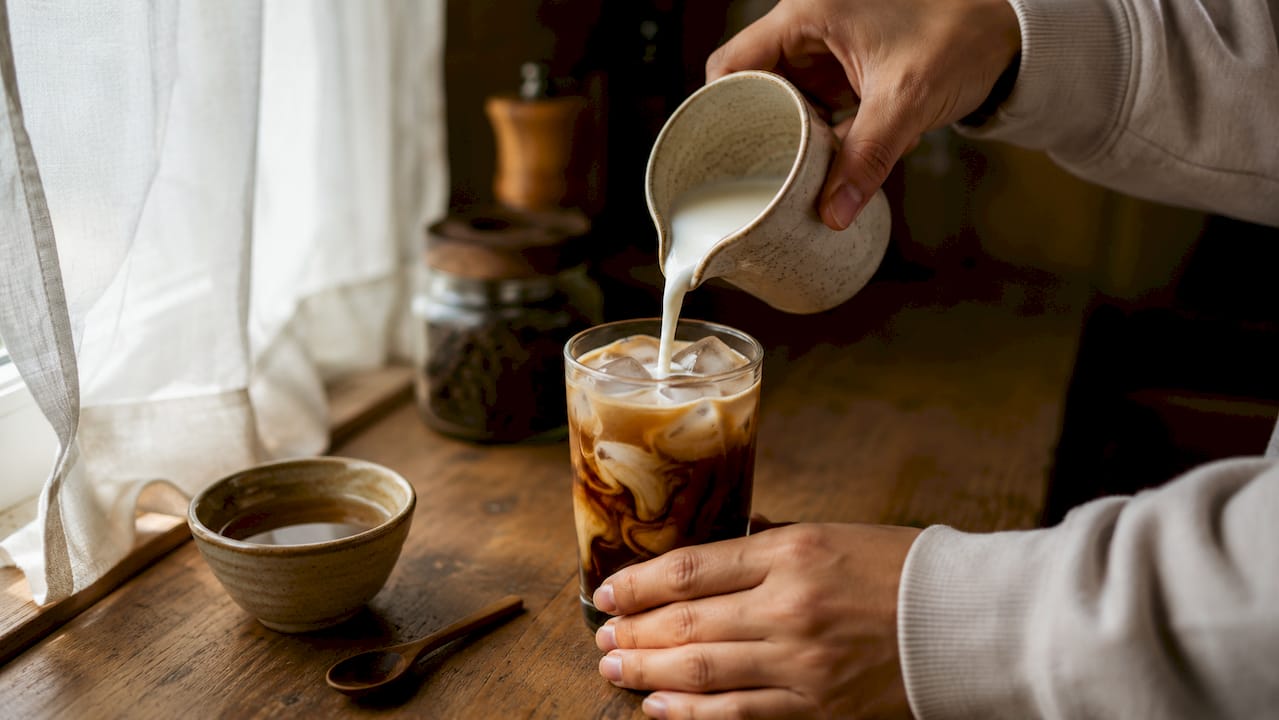
Syrups work better than dry spices in cold drinks. Ground cinnamon does not dissolve in cold liquid, leaving gritty bits at the bottom of your glass. Cinnamon syrup or honey syrup integrates cleanly and coats every sip evenly.
Pro Tip: Make honey syrup by stirring 1 teaspoon of honey into half an ounce of hot water. Let it cool completely before adding it to any iced drink.
2. Brown sugar shaken espresso
Brown sugar shaken espresso is one of the most popular espresso drink variations in home brewing right now. You shake espresso, brown sugar syrup, and ice together in a cocktail shaker, then pour the frothy result over fresh ice and oat milk. The shaking creates a light foam layer that an iced latte cannot replicate.
Toasting cinnamon sticks before adding them to the syrup deepens the spice flavor without adding bitterness. This one step separates a flat brown sugar drink from a genuinely complex one. Brown sugar cold foam, made from oat milk and brown sugar syrup frothed together, adds another texture layer on top.
3. Cloud coffee with coconut water and oat milk foam
Cloud coffee is a viral drink that layers chilled coconut water, espresso or cold brew, and frothed oat milk into a visually striking and flavorful cup. The full drink takes about 3 minutes to prepare, making it one of the fastest creative coffee recipes you can make at home. Coconut water adds a subtle sweetness and electrolytes without overpowering the coffee.
Cold brew works better than espresso in this recipe for most home brewers. Cold brew avoids temperature shock and the bitterness that hot espresso can introduce when poured over cold coconut water. Optional additions like vanilla or lavender syrup adjust the flavor profile without changing the layered structure.
Pro Tip: Froth your oat milk cold rather than warm for cloud coffee. Cold foam holds its shape longer and sits on top of the drink instead of sinking.
“The best coffee drinks are not complicated. They are just well-layered.” Cold foam, a quality cold brew base, and one good syrup are all you need to build something worth drinking every morning.
4. Cinnamon latte: hot and iced versions compared
The cinnamon latte exists in two distinct forms, and they require different ingredient choices. The hot version accepts ground cinnamon stirred directly into steamed milk because heat dissolves the spice well enough for most palates. The iced version demands cinnamon syrup for solubility, or you end up with floating powder and uneven flavor.
Both versions start with a double shot of espresso. The hot latte uses steamed milk with a thin foam cap. The iced version uses cold milk poured over ice with syrup added first so it mixes evenly. A honey cinnamon variation replaces cane sugar syrup with honey syrup for a warmer, floral sweetness.
| Version | Sweetener | Milk | Cinnamon form |
|---|---|---|---|
| Hot cinnamon latte | Cane sugar or honey | Steamed whole milk | Ground cinnamon |
| Iced cinnamon latte | Cinnamon syrup or honey syrup | Cold oat or dairy milk | Cinnamon syrup only |
| Honey cinnamon latte | Honey syrup | Steamed oat milk | Ground cinnamon on top |
5. Cold brew as a recipe base
Cold brew is not just a drink on its own. It is one of the most useful bases for layered, complex drinks because of its low acidity and smooth body. Common coffee drinks built from espresso, steamed milk, and foam can all be reimagined using cold brew as the coffee component. The result is a gentler, less bitter drink that lets other flavors come forward.
Cold brew concentrate pairs well with tonic water for a sparkling coffee drink, with coconut milk for a tropical variation, or with oat milk and a flavored syrup for a simple iced latte alternative. The cold brew process itself takes 12–24 hours, but the result keeps in the refrigerator for up to two weeks. That makes it the most efficient base for daily recipe experimentation.
6. Mocha with orange zest
A mocha is espresso, chocolate, and steamed milk. Adding orange zest to the chocolate sauce before mixing it with espresso creates a flavor combination that tastes far more sophisticated than the ingredient list suggests. The citrus oil from the zest cuts through the richness of the chocolate and brightens the entire drink.
This falls into the category of globally inspired creative coffee recipes, where a single uncommon ingredient reframes a familiar drink. You can apply the same logic to a mocha with chili powder, a mocha with cardamom, or a white mocha with rose water. Each swap costs almost nothing and produces a genuinely different drink.
7. Lavender vanilla iced coffee
Lavender syrup is one of the most underused flavored coffee variations in home brewing. It pairs naturally with vanilla and works in both hot and cold drinks. The combination of lavender and vanilla over iced coffee with oat milk produces a drink that tastes floral without being perfumy, provided you use a light hand with the lavender.
The ratio matters here. One pump of lavender syrup to two pumps of vanilla keeps the floral note as a background flavor rather than the dominant one. Use a light or medium roast coffee as the base. Dark roast overpowers the lavender entirely.
8. Irish coffee and spirit-infused variations
Irish coffee is one of the oldest internationally recognized coffee recipe variations. It combines hot brewed coffee, Irish whiskey, brown sugar, and lightly whipped cream floated on top. The cream is not stirred in. You drink the hot coffee through the cold cream layer, which is the defining sensory experience of the drink.
The same layering principle applies to other spirit-infused variations. Espresso martinis use vodka, coffee liqueur, and a fresh espresso shot shaken over ice. Bourbon coffee uses a drip brew base with a small pour of bourbon and a brown sugar rim. These drinks belong in any serious coffee recipe modification guide because they demonstrate how the base coffee interacts with other flavors under different conditions.
9. Spiced chai coffee fusion
A chai coffee fusion blends the spice profile of masala chai with a coffee base. The most direct method steeps a chai tea bag in hot milk, then combines the spiced milk with a double shot of espresso. The result is a drink with the caffeine of coffee and the warming spice of chai.
Toasting whole spices like cinnamon, cardamom, and cloves before steeping them in milk intensifies the flavor significantly. Pre-ground chai spice blends work but produce a flatter result. This is one of the best coffee combinations for cold weather and a strong argument for keeping whole spices in your kitchen.
10. Instant coffee variations worth making
Instant coffee gets dismissed, but it performs well in specific recipes. Dalgona coffee, which whips instant coffee, sugar, and hot water into a thick foam and spoons it over cold milk, became a global trend because the technique works. The foam holds its shape for several minutes and delivers a concentrated coffee flavor with each sip.
Instant coffee also works in affogato-style drinks when you dissolve it in a small amount of hot water and pour it over vanilla ice cream. The result is close enough to the espresso original that most people cannot tell the difference. For home cooks without an espresso machine, instant coffee opens up a wide range of espresso drink variations that would otherwise require expensive equipment.
11. Dialing in your brew for repeatable results
Every great coffee recipe starts with a dialed-in brew. Dialing in coffee means making small, repeatable adjustments in a fixed order: grind size first, then coffee-to-water ratio, then time or temperature. Changing multiple variables at once makes it impossible to know what fixed the problem.
- Start with grind size. Finer grinds extract more flavor; coarser grinds extract less.
- Set your ratio. Espresso uses a 1:2 ratio; drip and pour-over use 1:15 to 1:16.
- Adjust temperature. Most brew methods perform best between 190°F and 205°F.
- Taste for extraction. Sour and thin means under-extracted. Bitter and harsh means over-extracted.
Pro Tip: Use a burr grinder rather than a blade grinder. Burr grinders produce a consistent particle size, which means more even extraction and more predictable flavor across every recipe you make.
A coffee scale removes the guesswork from ratios entirely. Measuring by weight rather than volume gives you the same result every time, which is the foundation of any repeatable recipe.
12. Milk alternatives and their effect on flavor
Milk choice changes the texture, sweetness, and flavor of every coffee drink you make. Whole dairy milk produces the richest foam and the most neutral flavor. Oat milk adds a mild sweetness and a creamy body that works well in lattes and shaken drinks. Coconut milk adds a tropical note that pairs well with lighter roasts and flavored syrups.
Almond milk is the thinnest of the common alternatives and produces the least stable foam. It works better in iced drinks than in hot ones. Soy milk steams well and produces a foam close to dairy, but it can curdle in very acidic coffees. Matching your milk alternative to your recipe and roast level is one of the simplest ways to improve a drink without changing anything else.
Key takeaways
The most effective coffee recipe variations combine a well-dialed brew base with intentional ingredient swaps, using syrups over dry spices in cold drinks and matching milk alternatives to roast profile and recipe type.
| Point | Details |
|---|---|
| Use syrups in cold drinks | Cinnamon syrup and honey syrup dissolve cleanly in cold liquid; ground spices do not. |
| Dial in before you customize | Fix grind, ratio, and temperature before adding flavor variables to any recipe. |
| Cold brew as a base | Cold brew’s low acidity makes it the best base for layered and flavored drink variations. |
| Toast spices for depth | Toasting whole cinnamon or cardamom before steeping intensifies flavor without bitterness. |
| Match milk to the recipe | Oat milk suits lattes and shaken drinks; almond milk works best in iced, unfrothed recipes. |
What I have learned from years of coffee experimentation
The most common mistake home brewers make is adding complexity before mastering the base. I spent months chasing lavender lattes and cloud coffee recipes before realizing my espresso extraction was inconsistent. Every fancy variation I made tasted slightly off, and I kept blaming the syrups. The problem was the coffee itself.
Once I started dialing in my brew properly, every variation I tried improved immediately. The same espresso shot that tasted flat in a vanilla latte suddenly tasted balanced. The brown sugar shaken espresso I had been making for weeks finally tasted like the drink I was trying to replicate.
My honest advice: pick one recipe and make it ten times before moving to the next one. Adjust one variable per session. Write down what you changed and what it did to the flavor. This sounds tedious, but it is the fastest path to actually understanding your coffee. The people who drink the best home-brewed coffee are not the ones with the most recipes. They are the ones who know their equipment and their beans well enough to predict what any change will do.
Sweetener choice is also more personal than most guides admit. I prefer honey syrup over cane sugar in almost everything because it adds a faint floral note that I enjoy. You might hate it. The only way to know is to make the same drink twice with different sweeteners and compare them side by side. That single habit will teach you more about flavor than any recipe guide.
— zachary
Quality ingredients make every recipe better
The recipes in this article are only as good as the coffee and ingredients behind them. Zscoffee carries a selection of specialty coffee and accessories that support every variation covered here, from single-origin beans suited to cold brew to syrups and milk alternatives for flavored drinks.

Whether you are building a cloud coffee setup or dialing in your first espresso ratio, having the right beans and tools makes the difference between a drink you tolerate and one you look forward to every morning. Browse the full Zscoffee catalog to find the ingredients and equipment that match the recipes you want to make.
FAQ
What is the easiest coffee recipe variation for beginners?
An iced vanilla latte is the most accessible starting point. It requires only espresso, cold milk, ice, and vanilla syrup, with no special technique beyond pulling a shot.
Why does my iced cinnamon coffee taste gritty?
Ground cinnamon does not dissolve in cold liquid. Use cinnamon syrup instead, which integrates cleanly into any cold drink without leaving residue.
What coffee-to-water ratio should I use at home?
Drip and pour-over methods work best at a 1:15 to 1:16 ratio. Espresso uses a 1:2 ratio, meaning one gram of coffee produces two grams of liquid.
Does cold brew work as a substitute for espresso in recipes?
Cold brew concentrate substitutes well for espresso in most iced drink recipes. It produces a smoother, less acidic result that lets flavored syrups and milk alternatives come forward more clearly.
How do I make flavored syrups at home?
Combine equal parts sugar and water in a saucepan, heat until dissolved, then add your flavoring. Cinnamon sticks, vanilla beans, or lavender buds steeped for 10–15 minutes produce clean, well-integrated syrups suited to any iced or hot coffee drink.