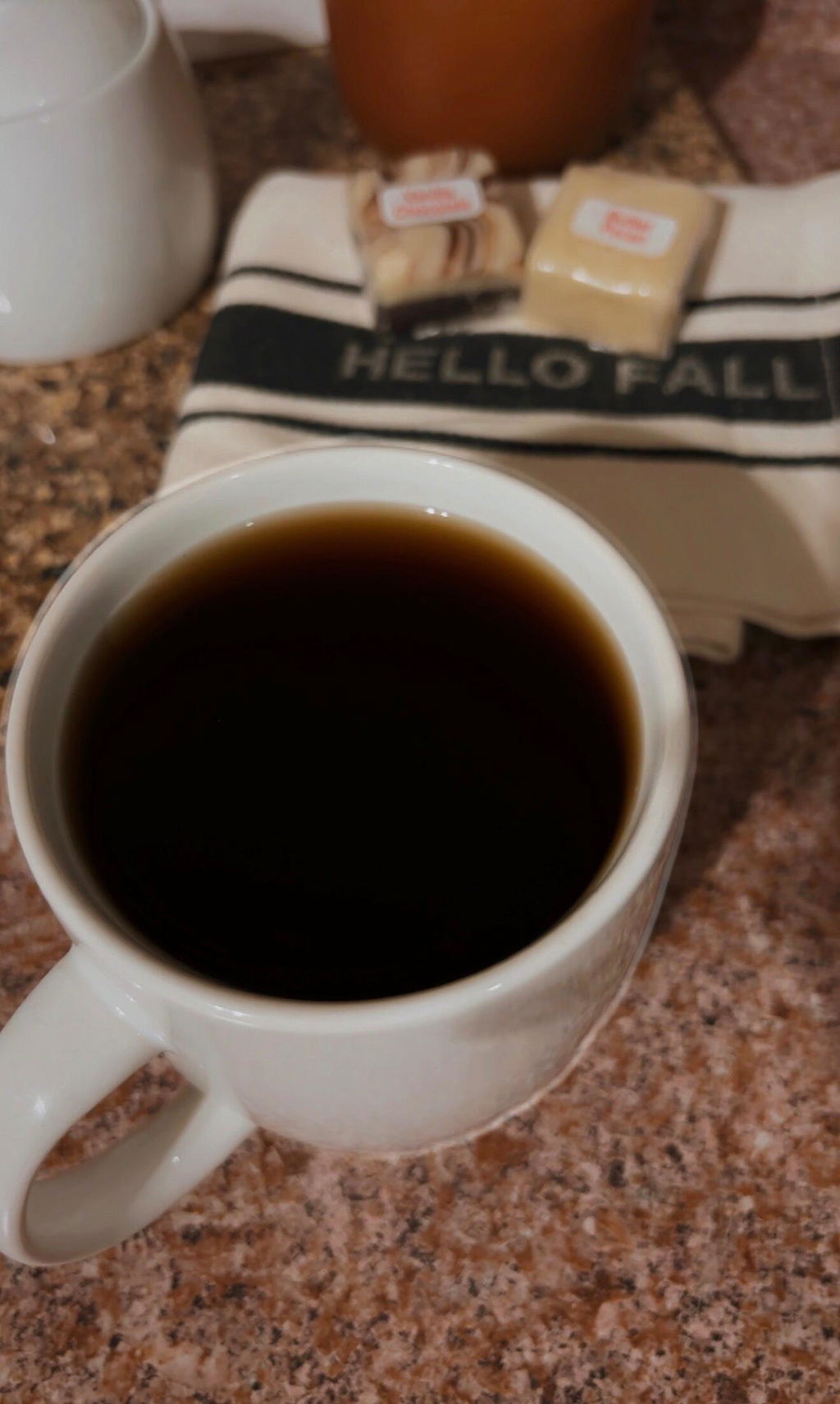
What do different coffee tasting events actually look like?
Coffee tasting events come in more formats than most people realize, and the right one depends entirely on what you want out of the experience. Whether you’re planning your own gathering or scoping out events to attend, here’s a quick map of the main types:
- Blind cuppings: Coffees are served in numbered cups with no roaster names attached. Participants smell, taste, and score each coffee on its own merits. The format strips away branding so flavor does the talking.
- Educational workshops: Structured sessions focused on a specific skill or concept, such as brewing methods, roast levels, or flavor wheel navigation. Ideal for beginners and curious home brewers.
- Private host-led tastings: Informal gatherings at someone’s home or a small venue, often built around a theme like single-origin coffees or a specific country of origin. Storytelling about the coffee’s farm and processing is usually central.
- Specialty coffee festivals: Large public events featuring multiple roasters, brewing demonstrations, interactive workshops, and equipment vendors. The Kona Coffee Cultural Festival, established in 1970, is the oldest continuously running coffee festival in the United States, held every November in Kailua-Kona, Hawaii.
- Industry trade shows: Events like Coffee Fest, a major industry event held in Seattle, and the National Coffee Association’s annual convention cater primarily to professionals, covering equipment, supply chain, and business development alongside tastings.
- Brewing method comparisons: Tastings organized around technique rather than origin, where the same coffee is brewed via pour-over, AeroPress, and French press side by side to show how method shapes flavor.
- Roast level comparisons: A single-origin coffee or the same blend brewed at light, medium, and dark roast to demonstrate how heat transforms sweetness, acidity, and body.
Each format serves a different purpose. Blind cuppings prioritize honest discovery. Festivals offer breadth and spectacle. Private tastings create intimacy. Knowing which format fits your goal is the first decision any host needs to make.
Table of Contents
- What does a typical coffee tasting event schedule look like?
- How do you choose which coffees to feature?
- How do you set up a coffee tasting space that actually works?
- What keeps guests engaged throughout a coffee tasting?
- What foods pair well at a coffee tasting event?
- Why blind cuppings are the most honest format in specialty coffee
- Ready to host your own tasting?
- Key Takeaways
What does a typical coffee tasting event schedule look like?
Most coffee tasting events follow a loose but recognizable structure. The exact timing shifts depending on how many coffees you’re featuring and how much discussion you want to build in, but the core flow stays consistent.
A typical event schedule moves through these stages:
- Arrival and introductions (0:00–0:15): Guests settle in, get oriented to the format, and receive tasting sheets or scoring cards.
- Dry aroma round (0:15–0:30): Before any water is added, participants move around the table smelling each ground coffee. First impressions form here, and they’re often surprisingly accurate.
- Brewing round (0:30–1:00): Coffees are brewed one by one or in batches. For cuppings, hot water is poured directly over grounds in each cup.
- Crust break and tasting (1:00–1:45): The crust of grounds floating on each cup is broken and skimmed. Guests taste each coffee, recording notes on aroma, acidity, body, and finish.
- Group discussion and scoring (1:45–2:15): Participants share impressions, compare scores, and debate favorites. This is usually the most energetic part of the event.
- Re-tasting and reveal (2:15–2:30): Guests revisit their top picks as coffees cool, which often changes the flavor profile noticeably. If it’s a blind tasting, the reveal happens here.
Pro Tip: Schedule the event for late afternoon rather than early morning. A 4:30 PM start tends to produce a more relaxed, conversational atmosphere than a 9:00 AM cupping, where the format can feel more like a work meeting.
Specialty coffee festivals compress this structure across multiple booths and sessions, so attendees essentially run through the tasting flow several times with different roasters throughout the day.
How do you choose which coffees to feature?
The coffees you select define the entire arc of the event. A well-chosen lineup teaches something; a random one just produces confusion.
Start with origin diversity. Featuring coffees from Ethiopia, Colombia, and Sumatra in the same session gives guests a concrete sense of how geography shapes flavor, without any explanation needed beyond the tasting itself. If you lean too heavily on one country, as one Atlanta blind cupping discovered when most of its thirteen coffees came from Colombia, you lose the contrast that makes comparisons meaningful.
- Processing method variety: Include at least one washed coffee and one natural or honey-processed coffee. The difference in fruit-forward sweetness versus clean brightness is immediately obvious to even first-time tasters.
- Roast range: A light roast and a medium-dark roast from the same origin is one of the most educational pairings you can offer. Guests are often surprised that they’re drinking the same bean.
- Distinct flavor profiles: Choose coffees with memorable, contrasting notes. A floral, jasmine-forward Ethiopian Yirgacheffe next to a chocolatey, nutty Brazilian natural creates a conversation on its own.
- One wild card: Anaerobic or co-fermented coffees tend to produce the strongest reactions at blind tastings. They’re polarizing, which generates discussion.
- Audience calibration: For beginners, stick to three or four coffees with very different profiles. Experts can handle eight to ten with more subtle distinctions between them.
The goal is a lineup that tells a story, whether that story is about origin, processing, roast, or all three.
How do you set up a coffee tasting space that actually works?

Setup matters more than most first-time hosts expect. A disorganized table slows everything down and breaks the sensory focus you’re trying to create.
The physical essentials, drawn from professional cupping practice, include clean cups or bowls for each coffee, individual tasting mugs for guests, rinsing bowls at each seat so spoons can be cleared between samples, and fresh spoons. Cross-contamination between cups is the most common mistake at amateur tastings, and a simple rinsing bowl eliminates it entirely. For a complete setup checklist, the basics are straightforward once you’ve run through them once.
- Number everything: Label cups 1, 2, 3 rather than by coffee name for blind tastings. Keep a host reference sheet that maps numbers to coffees.
- Grinder access: Grind each coffee immediately before brewing. Pre-ground coffee loses aromatics within minutes, which undercuts the dry aroma round.
- Water temperature: Aim for 200°F (just off boiling) for most brewing methods. A gooseneck kettle with a temperature setting removes the guesswork.
- Seating layout: Arrange seats in a circle or around a central table rather than in rows. Side-by-side seating kills conversation; facing each other builds it.
- Lighting: Bright overhead lighting helps guests see the color and clarity of each brew. Dim, atmospheric lighting looks nice but makes it harder to observe the coffee itself.
- Tasting sheets: Print or share a simple scoring sheet with prompts for aroma, acidity, body, sweetness, and finish. Even guests who’ve never scored coffee before find it useful.
Pro Tip: Set out palate cleansers, plain sparkling water and plain crackers, at each seat before guests arrive. They’re easy to overlook in planning but make a real difference when guests are moving through six or more coffees.
What keeps guests engaged throughout a coffee tasting?

The tasting itself holds attention for the first twenty minutes. After that, engagement depends on how well the host facilitates conversation and discovery.
Storytelling is the most underused tool in a host’s kit. Before guests taste a coffee, share one specific detail about its origin: the altitude of the farm, the name of the cooperative, or the unusual processing method the producer uses. A concrete story gives guests something to hold onto while they taste, and it makes the flavor notes feel connected to a real place. Zscoffee’s guide on tasting coffee properly covers how to frame these flavor explorations for guests at any experience level.
- Structured scoring: Give guests a simple 1–5 or 1–10 scale for each coffee. Scoring creates a personal stake in the outcome and gives the group discussion a concrete anchor.
- QR code ratings: For larger events, a shared digital rating system lets participants submit scores and see aggregate results in real time. The reveal of collective preferences often surprises everyone.
- Beginner-friendly framing: Avoid jargon in your opening remarks. Instead of “this coffee has a bright malic acidity,” say “notice if it reminds you of green apple or lemon.” Sensory memory is universal; technical vocabulary is not.
- Open-ended questions: Ask the group “what does this remind you of?” rather than “do you taste the blueberry?” Leading questions shut down exploration; open ones generate it.
- Mixed experience levels: Pair a first-time taster with an experienced one at the table. The beginner asks questions the expert stopped asking years ago, and the dynamic benefits both.
The best coffee tastings feel like a conversation that happens to involve coffee, not a lecture with samples attached.
What foods pair well at a coffee tasting event?
Food at a coffee tasting serves a specific purpose: it should highlight what’s already in the cup, not compete with it. The wrong pairing can flatten a coffee’s acidity or overwhelm a delicate floral note entirely.
A few pairings that consistently work well across different roast profiles:
- Dark chocolate (70% cacao or higher): Amplifies the bittersweet, roasted notes in medium and dark roasts. With a light Ethiopian natural, it can pull out unexpected fruit complexity.
- Plain croissants or butter pastries: Neutral fat content cleanses the palate between coffees without introducing competing flavors. A good default for any tasting table.
- Roasted or salted nuts: Almonds and hazelnuts echo the nutty, caramel notes common in Brazilian and Colombian coffees. Avoid heavily seasoned varieties.
- Aged cheeses: A sharp cheddar or Manchego alongside a washed Kenyan coffee creates an unexpectedly savory pairing that experienced tasters tend to love.
- Fresh fruit slices: Citrus and berries amplify the acidity in light roasts and make the fruit notes in natural-processed coffees more obvious.
For hosts who want to go deeper on pairing logic, the creative coffee pairing guide covers the interplay between coffee body, acidity, and complementary flavors in detail. The general principle is that food pairings work best when they mirror or contrast one dominant flavor note in the coffee rather than trying to match the whole profile. You can also draw inspiration from culinary pairing approaches used in other fermented and complex-flavor beverages, where the same mirror-or-contrast logic applies.
Keep portions small. The food is a supporting act.
Why blind cuppings are the most honest format in specialty coffee
Blind cuppings occupy a specific and important place in the coffee world. They’re not just a tasting format; they’re a way of resetting what participants think they know.
The core mechanic is simple: remove the labels, number the cups, and let the coffee speak without the weight of brand reputation, price point, or origin prestige. When participants can’t see the roaster’s name, they stop trying to taste what they think they should taste and start paying attention to what’s actually in the cup. That shift is more significant than it sounds. Most people have never tasted coffee without some form of context shaping their expectations.
The procedural details matter as much as the philosophy. Professional blind cuppings use numbered cups, individual tasting mugs, and rinsing bowls at each station to prevent cross-contamination between samples. Before any tasting begins, participants circle the table smelling each ground coffee dry, building aroma impressions before water changes the picture. The crust that forms on each cup after brewing is broken and skimmed before tasting, which releases a concentrated burst of aroma and marks the formal start of the tasting round. These steps aren’t ceremonial; each one serves a specific sensory purpose.
The social dimension of blind cuppings is often what surprises first-time participants most. When no one has a brand to defend or a reputation to protect, the conversation becomes genuinely curious. Coffee professionals, home brewers, and complete newcomers find themselves on equal footing because the only currency is what they actually tasted. One Atlanta blind cupping event noted that even a featured roaster participated in the blind tasting despite having one of their own coffees on the table, a gesture that reframes the whole exercise as connection rather than competition.
Blind cuppings also surface honest preferences that branded tastings can’t. Participants at blind events consistently gravitate toward the most expressive, unconventional cups, particularly anaerobic and co-fermented coffees, over more classic profiles. That pattern tells hosts something real about where curious drinkers are headed. For anyone learning to taste coffee like a pro, a well-run blind cupping is the fastest path to developing a genuine, unfiltered palate.
Ready to host your own tasting?
Zscoffee carries the coffees and brewing tools you need to put together a tasting worth attending. From single-origin beans with distinct regional profiles to the equipment that makes preparation clean and consistent, everything is available in one place. Whether you’re planning a blind cupping for twelve or a casual home tasting for four, the right beans make the difference between a forgettable evening and one people talk about the following week.
Key Takeaways
The most effective coffee tasting events combine a clear format, a thoughtfully chosen coffee lineup, and a host who knows how to get out of the way and let the coffee create the conversation.
| Point | Details |
|---|---|
| Format shapes the experience | Blind cuppings, workshops, festivals, and private tastings each serve a different purpose; choose based on your goal. |
| Schedule the dry aroma round first | Smelling ground coffee before brewing builds anticipation and sharpens perception for the tasting itself. |
| Origin and processing diversity | Include washed and natural-processed coffees from different countries to give guests meaningful contrasts to discuss. |
| Rinsing bowls prevent cross-contamination | Place a rinsing bowl at each station so spoons are cleared between every sample, a standard in professional cuppings. |
| Food pairings should mirror or contrast | Match one dominant flavor note in the coffee rather than trying to pair the whole profile; keep portions small. |