TL;DR:
- Decaf coffee retains a small amount of caffeine, typically 2 to 5 mg per cup, and is made using water, solvent, or CO2 processes. High-quality beans and transparent labeling ensure better flavor and chemical-free options, challenging the myth that decaf tastes flat or artificial. Increasingly, consumers choose decaf for lifestyle reasons, valuing flavor and wellness without stimulant effects.
Decaf coffee gets a bad reputation it has never deserved. Most people assume what is decaf coffee has a simple answer: coffee with no caffeine and watered-down flavor. Both assumptions are wrong. Decaf is regular coffee that has had the vast majority of its caffeine removed through one of several distinct industrial processes, and when it starts with quality beans, it tastes genuinely good. Whether you are cutting back on caffeine, drinking coffee later in the day, or simply curious about your options, this guide covers everything you need to know.
Table of Contents
- Key takeaways
- What is decaf coffee, exactly?
- How is decaf made: the three core methods
- How decaffeination affects flavor
- Is decaf coffee healthy?
- Why people are choosing decaf in 2026
- My take: decaf deserves the same respect as any other coffee
- Explore decaf coffee at Zscoffee
- FAQ
Key takeaways
| Point | Details |
|---|---|
| Decaf still has caffeine | Decaf coffee retains a small amount of caffeine, typically 2 to 5 mg per cup. |
| Three main production methods | Water-based, solvent-based, and CO2 processes each affect flavor and chemical exposure differently. |
| Bean quality determines taste | Specialty-grade Arabica beans produce far better decaf than commodity-grade alternatives. |
| Health benefits remain intact | Decaf provides antioxidants similar to regular coffee without the stimulant side effects. |
| Label reading matters | Look for Swiss Water or certified organic labeling to identify chemical-free decaf options. |
What is decaf coffee, exactly?
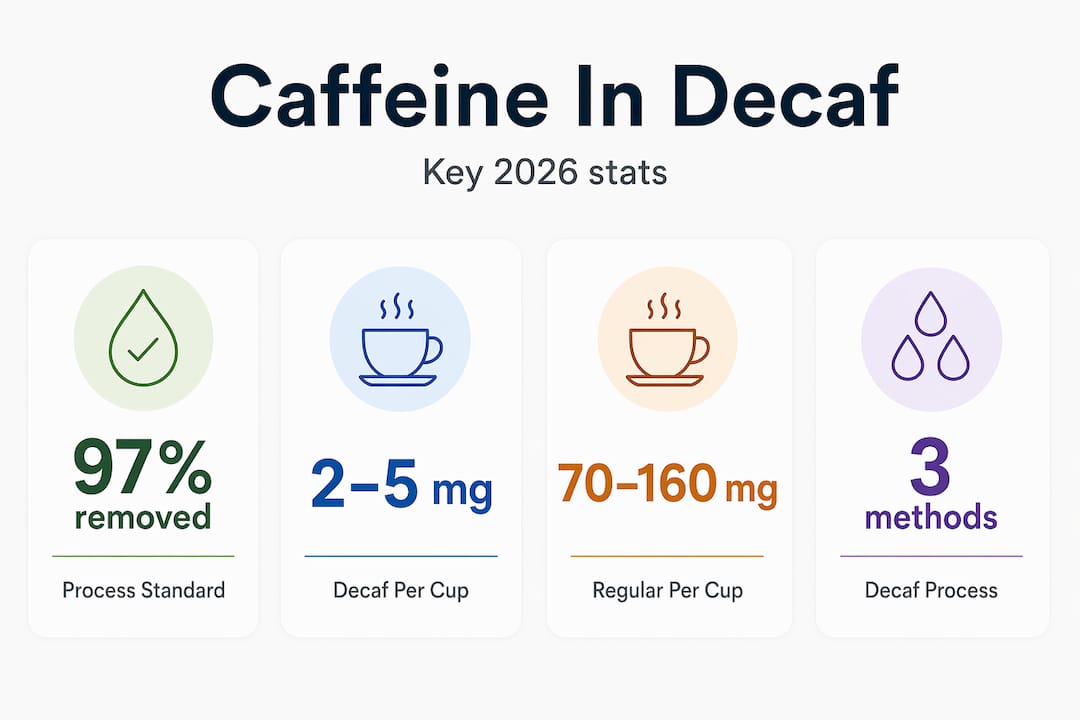
Decaffeinated coffee explained simply: it is regular green coffee that has been processed to remove at least 97% of its original caffeine before roasting. The U.S. FDA requires that threshold for a product to carry the decaf label. So when you brew a cup, you are drinking coffee that went through an additional processing step before it ever reached a roaster.
Here is the number that surprises most people. Regular coffee contains roughly 70 to 160 mg of caffeine per cup, while decaf sits at around 2 to 5 mg. That is a dramatic reduction, but it is not zero. If you are genuinely caffeine-sensitive or managing a medical condition, those few milligrams can still matter. For most people, though, that trace amount has no perceptible effect.
| Type | Caffeine per cup | Notes |
|---|---|---|
| Regular coffee | 70 to 160 mg | Varies by roast and brew method |
| Decaf coffee | 2 to 5 mg | At least 97% caffeine removed |
| Espresso | 60 to 75 mg per shot | Per single shot |
| Decaf espresso | 3 to 15 mg per shot | Depends on method and bean |
What does decaf mean in practical terms? It means you get the ritual, the aroma, and most of the flavor without the stimulant effects that keep some people awake or spike their anxiety. That distinction drives a lot of purchasing decisions.
How is decaf made: the three core methods
This is where decaf gets genuinely interesting, and where most coffee drinkers have no idea what is happening before the bag lands on their doorstep. The method used to strip caffeine affects flavor, chemical exposure, and even the price you pay.
There are three primary industrial methods for decaffeination as of 2026: water-based processes, solvent-based processes, and the carbon dioxide method. Each has trade-offs worth understanding.
Water-based methods
Swiss Water Process and Mountain Water Process are the two main water-based approaches. Both are completely chemical-free, using pure water and proprietary green coffee extracts to draw caffeine out of the bean through osmosis. They remove up to 99.9% of caffeine and preserve the bean’s natural flavor compounds to a strong degree.
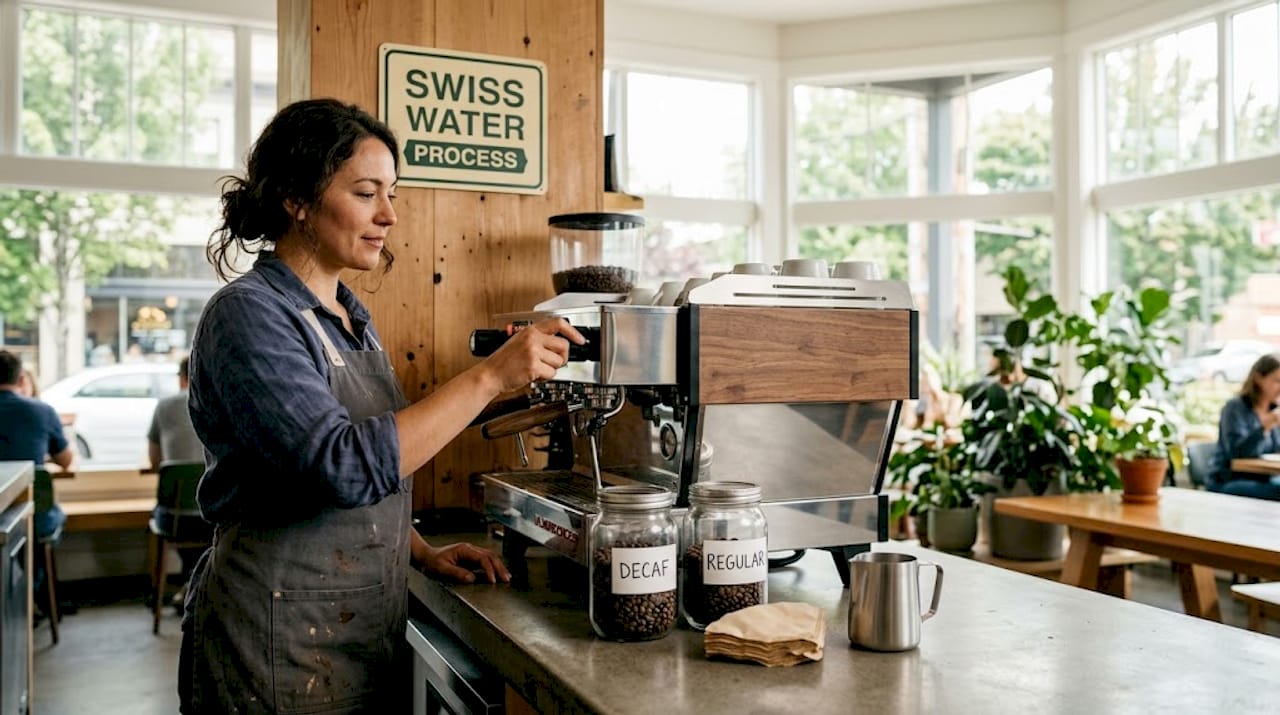
These methods are the go-to for organic-certified and Fair Trade-certified coffees. If a bag says “Swiss Water Decaf,” that tells you exactly what process was used. That transparency is rare in food labeling, and it is worth appreciating.
Solvent-based methods
Solvent-based decaffeination is common and cost-effective. The two chemicals used are ethyl acetate and methylene chloride. Producers steam the green beans first to open their pores, then rinse them with the solvent, which bonds selectively to caffeine molecules and carries them out.
Ethyl acetate is sometimes marketed as “natural” because it can be derived from fermented sugarcane. Methylene chloride is more controversial, though the FDA considers residue levels in finished coffee to be below any safety threshold. Still, some consumers prefer to avoid both entirely.
The CO2 method
Carbon dioxide decaffeination uses pressurized liquid CO2 to selectively extract caffeine while leaving flavor compounds intact. It is the most technically sophisticated of the three and is used primarily in large-scale premium production. The cost is high, but so is the flavor preservation.
- Water-based: chemical-free, organic-compatible, excellent flavor retention
- Solvent-based: most common commercially, cost-effective, safe by regulatory standards but contentious for some buyers
- CO2-based: highest cost and technology, superior flavor preservation, preferred for specialty-grade production
Pro Tip: When shopping for decaf, look for “Swiss Water Process” or a certified organic label on the bag. Those two markers reliably identify products made without synthetic chemical solvents.
How decaffeination affects flavor
Here is a misconception that holds a lot of coffee drinkers back from exploring decaf. Many assume coffee without caffeine must taste flat, thin, or artificial. The reality is more nuanced.
Modern decaffeination does not strip coffee of its core character. What it does is shift the balance of flavor notes. You might notice a decaf Arabica from Colombia tastes slightly less bright than its caffeinated counterpart, or carries more body and less acidic clarity. That is not a flaw. It is a different expression of the same bean.
“Specialty decaf offers lighter or fruitier profiles that appeal strongly to flavor-focused consumers, representing a refined cup rather than a compromise.” — CoffeeHow
Bean quality is the real deciding factor. Specialty-grade Arabica beans retain far better flavor after the decaffeination process than commodity-grade beans. A low-quality green bean going into the process will come out tasting flat. A high-scoring single-origin bean processed with Swiss Water or CO2 can still deliver chocolate, stone fruit, or floral notes that serious coffee drinkers genuinely appreciate.
If you want to understand how different processing methods shape flavor in coffee at the green bean stage, that foundation applies equally to decaf choices. The same principles around washed, natural, and honey processing carry through even after decaffeination, which is why sourcing details on a decaf bag matter as much as on any other specialty coffee.
You can also explore coffee flavor profiles in more depth to identify what taste characteristics you actually want to chase in a decaf cup.
Is decaf coffee healthy?
The short answer is yes, for most people. The longer answer is that decaf provides the majority of coffee’s protective compounds without the caffeine that causes problems for certain populations.
Decaf coffee provides antioxidants and protective polyphenols comparable to regular coffee. Chlorogenic acids, one of the key compounds studied for their anti-inflammatory and metabolic benefits, survive decaffeination well. So if you are avoiding caffeine for health reasons, you are not walking away from coffee’s upside. You are just removing the stimulant.
Who genuinely benefits from switching to coffee without caffeine?
- Pregnant individuals, for whom high caffeine intake carries documented risks
- People with anxiety disorders or panic conditions triggered by caffeine
- Anyone with heart arrhythmia or elevated blood pressure sensitive to stimulants
- People who want to drink coffee in the evening without affecting sleep quality
The main health concern people raise involves solvent-based methods. If methylene chloride residues worry you, the fix is straightforward. Swiss Water and CO2 methods are the cleanest options. Certified organic decaf also restricts decaffeination to natural water, CO2, or naturally derived ethyl acetate, so the label does the work for you.
Pro Tip: If you are managing a caffeine sensitivity, do not assume one cup of decaf is the same as zero caffeine. Two to five milligrams per cup adds up across three or four cups. Track your intake if precision matters.
Why people are choosing decaf in 2026
The cultural story around decaf has shifted dramatically. It used to be a medical concession. You drank decaf because your cardiologist or doctor told you to, and you ordered it quietly at the diner. That is not who today’s decaf drinker is.
Consumer demand for decaf has moved toward an occasion-based model. People want the evening ritual of coffee, the sensory comfort of a warm cup after dinner, without the stimulant effect that disrupts sleep. That is a lifestyle choice, not a medical one.
The premium decaf segment is growing for several interconnected reasons:
- Specialty roasters are investing in better green beans and cleaner decaf methods, producing cups worth drinking for their flavor alone.
- Consumers are more informed about decaffeination processes and actively seeking chemical-free options.
- Wellness culture has normalized reducing stimulant intake without abandoning beloved rituals.
- The evening coffee occasion is a genuinely underserved moment that decaf fills well.
One thing to understand about pricing: decaf processing adds 20 to 40% to the green bean cost, with retail prices typically running 20 to 50% higher than comparable caffeinated coffee. That premium exists because decaffeination requires off-origin processing hubs, additional logistics, and weeks of additional lead time. It is not a margin grab. It is a supply chain reality. Knowing this helps you recognize that a very cheap decaf often signals commodity beans and solvent-based methods.
Understanding what makes a high-quality bean before it gets decaffeinated is the single best way to make smarter purchasing decisions. The same scoring systems and origin considerations that apply to regular specialty coffee apply here.
My take: decaf deserves the same respect as any other coffee
By zachary
I have watched the specialty coffee world slowly come around to taking decaf seriously, and it is genuinely encouraging. For years, decaf was the punchline. It was what you ordered when you “could not handle real coffee.” That framing was always lazy.
What I have found working closely with quality-focused coffee products is that the biggest mistake people make with decaf is buying it cheap and then blaming decaf itself for the mediocre experience. If you put a low-grade commodity bean through even the best Swiss Water Process, you are still starting with a low-grade bean. Garbage in, garbage out. The decaffeination method matters, but the bean quality matters more.
My honest recommendation: treat your decaf purchase exactly like your regular coffee purchase. Look at the origin, the roast date, the process. Check whether the bag tells you how it was decaffeinated. If the label just says “decaf” with no other information, that is a red flag. Transparency in labeling is how producers signal quality and confidence in their product.
The other thing I want to push back on is the idea that decaf is a downgrade. Decaf is a deliberate choice, not a lesser one. The growing culture around it reflects something real: people want the pleasure of coffee on their own terms, without chemical anxiety or sleepless nights. That is worth respecting.
— zachary
Explore decaf coffee at Zscoffee
If this guide has shifted how you think about decaf, the next step is finding a product that actually reflects that quality.
At Zscoffee, we stock a curated selection of specialty coffee and related products for drinkers who care about what is in their cup. Whether you are starting your decaf search or looking to upgrade from a grocery store bag, you will find options worth your attention in our coffee and tea collection. For those who enjoy coffee on the move, our travel mug with a handle pairs well with an evening decaf ritual. Browse, compare, and choose with confidence, knowing what you now know about how decaf is made.
FAQ
What does decaf mean in coffee terms?
Decaf means the coffee has had at least 97% of its caffeine removed through an industrial process before roasting. A standard cup contains roughly 2 to 5 mg of caffeine, compared to 70 to 160 mg in regular coffee.
Is decaf coffee completely caffeine-free?
No. Decaf always retains a small amount of caffeine, typically between 2 and 5 mg per cup. This is usually insignificant for most people but worth noting for anyone with extreme sensitivity.
What are the types of decaf coffee by production method?
The three main methods are water-based processes like Swiss Water and Mountain Water, solvent-based methods using ethyl acetate or methylene chloride, and the CO2 method. Each varies in cost, chemical exposure, and flavor impact.
Is decaf coffee healthy to drink regularly?
Yes, for most people. Decaf retains most of coffee’s antioxidants and protective compounds while eliminating the stimulant effects of caffeine, making it a sound option for those with sensitivities, sleep concerns, or caffeine-related health conditions.
How do I find chemical-free decaf coffee?
Look for bags labeled “Swiss Water Process,” “Mountain Water Process,” or certified organic. These certifications reliably indicate that no synthetic chemical solvents were used in the decaffeination process.