TL;DR:
- Micro-lot coffee consists of small, traceable batches from specific farm plots, showcasing unique flavor profiles. Its high premium reflects the meticulous production process, detailed origin information, and experimental methods that create distinct cup qualities. Supporting micro-lots funds innovative cultivation and provides transparency, enriching the coffee experience beyond generic blends.
A single row of coffee trees on a hillside in Ethiopia can produce a cup that tastes nothing like what’s growing fifty feet away. That’s the promise and the reality of micro-lot coffee, a category that turns the idea of coffee as a uniform commodity completely on its head. Micro-lot coffee is a small, highly traceable batch of specialty coffee, typically from a specific plot or section of a farm, single producer, or cooperative, separated for its unique attributes. If you’ve ever tasted a coffee that genuinely surprised you, with fruit, floral notes, or complexity you couldn’t explain, chances are you were drinking something sourced at this level of precision.
Table of Contents
- What makes micro-lot coffee different from other coffees
- How micro-terroir and processing methods shape micro-lot flavors
- Risks, rewards, and pricing in micro-lot coffee
- How to find, taste, and appreciate micro-lot coffee
- The real value of micro-lot coffee: Beyond hype and labels
- Explore specialty coffee and accessories at Z’s Coffee
- Frequently asked questions
Key Takeaways
| Point | Details |
|---|---|
| Micro-lot coffee definition | Micro-lot coffee comes from a small, specific farm section, offering unique traceability and attributes. |
| Flavor uniqueness | Distinct flavors are shaped by micro-terroir and experimental processing methods. |
| Premium pricing explained | Micro-lot coffee costs more because of specialized labor, intensive care, and high risks. |
| How to enjoy | Sourcing and pairing micro-lot coffee allows enthusiasts to explore rare flavors and support innovation. |
What makes micro-lot coffee different from other coffees
Most of the coffee sold around the world is blended, averaged, and designed for consistency. Micro-lot coffee does the opposite. It starts by isolating what’s exceptional rather than smoothing it out.
A micro-lot is a small, traceable batch separated from a larger farm or cooperative because it shows distinct and remarkable characteristics. That could be a specific elevation band on a hillside, a cluster of trees planted with a rare varietal, or a section harvested at a narrower ripeness window than the rest of the farm. The whole point is to preserve what’s different rather than blend it away.
The size difference between a micro-lot and a conventional commercial lot is striking. Typical micro-lots run 7 to 50 bags at roughly 150 to 170 pounds each, compared to a full shipping container which holds around 260 bags. That’s a dramatic difference in scale, and it explains why micro-lots require dedicated handling at every step, from picking and sorting to milling and export.
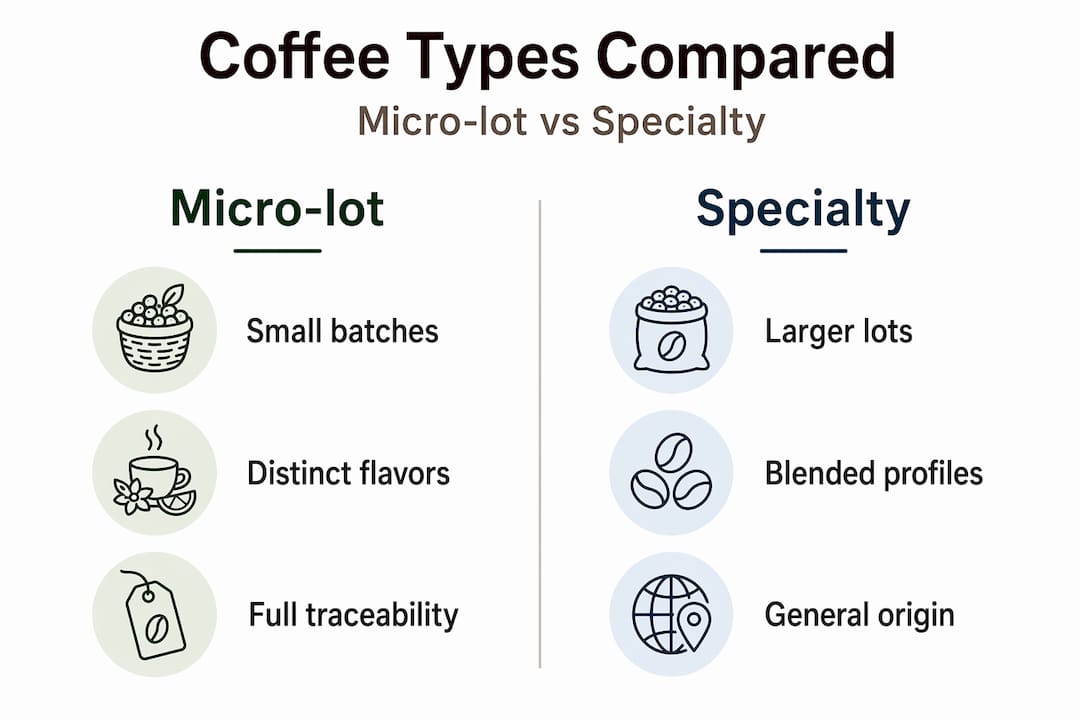
Here’s what distinguishes a genuine micro-lot from regular specialty coffee:
- Precise geographic origin: A named plot, section, or elevation band, not just a country or region
- Small batch size: Usually under 50 bags, often far fewer
- Single producer or group: Traceable to one farmer, family, or small cooperative
- Documented processing: A specific method applied separately from the rest of the farm’s output
- Unique flavor attributes: Flavor notes tied to the specific terroir and handling that justify separating it in the first place
| Feature | Micro-lot coffee | Conventional specialty coffee |
|---|---|---|
| Batch size | 7 to 50 bags | Up to 260 bags |
| Traceability | Farm plot or single producer | Region or country |
| Pricing | Fixed premium, independent of C-market | Often tied to commodity prices |
| Flavor profile | Highly specific, unique | Consistent, repeatable |
| Processing | Often experimental or specialized | Standard methods |
The traceability factor is what gives micro-lots their credibility. When you can read the name of the farm, the altitude, the varietal, and the processing method, you’re not buying a story. You’re buying documented evidence of a production decision made at the source.
How micro-terroir and processing methods shape micro-lot flavors
Now that we know what sets micro-lots apart, let’s explore how their unique origins and methods shape the flavors in your cup.
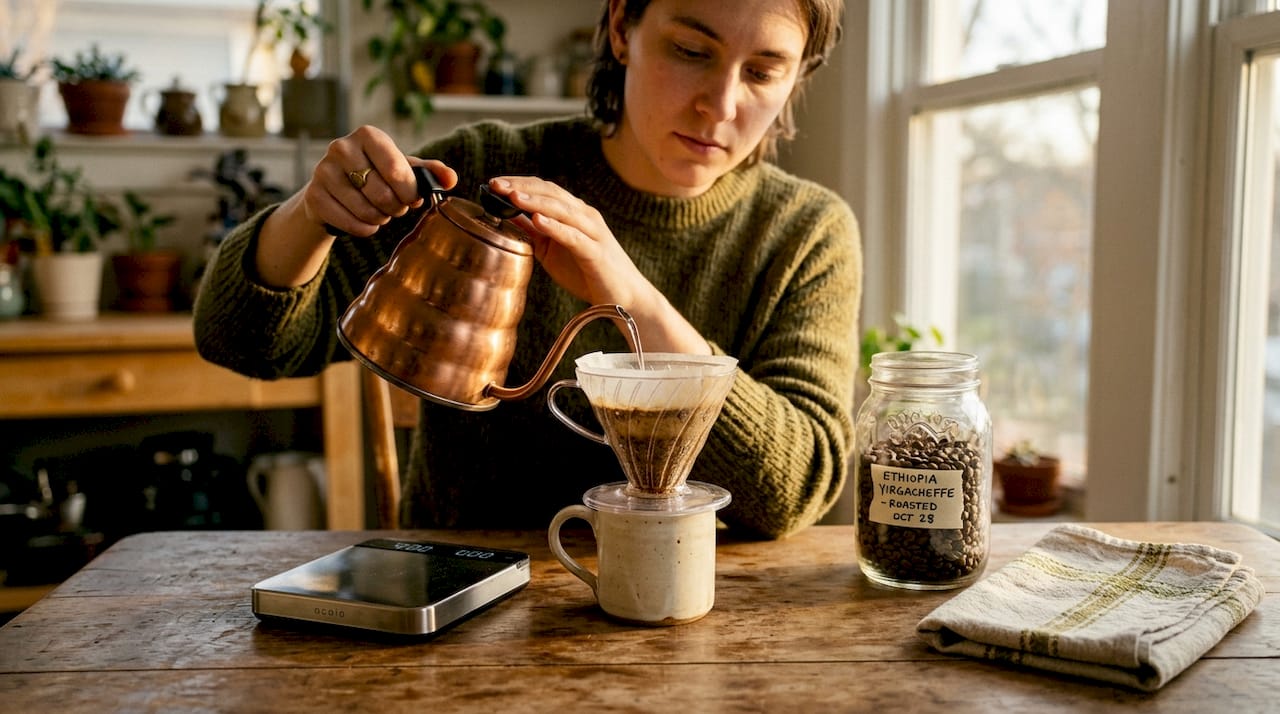
Micro-terroir is the concept that extremely localized growing conditions, including soil composition, canopy shade, rainfall patterns, altitude variation, and even the specific microbes present in the soil, create flavor differences at a very small scale. Two plots on the same farm, separated by just a few hundred meters and a slight difference in elevation, can produce cherries with measurably different sugar levels, acidity, and aromatic compounds.
Micro-lots enable unique flavor profiles such as raspberry, jasmine, and complex esters from anaerobic fermentation, tied to micro-terroir and rare varietals like Sudan Rume. Sudan Rume, for example, is an heirloom Ethiopian varietal that grows in specific highland conditions and consistently produces cup notes of dark berries and savory herbs. You simply won’t encounter those notes in a commercial blend because the varietal and the location that produce them represent too small a volume to maintain consistency at scale.
Processing methods amplify micro-terroir rather than mask it. Here’s how different approaches affect the flavor outcome:
- Washed processing: Ferments and washes away the fruit before drying, producing clean, bright, and origin-forward flavors
- Natural processing: Dries the whole cherry, transferring fruit sugars and fermentation compounds directly to the bean, creating fruity, wine-like complexity
- Anaerobic fermentation: Seals cherries in oxygen-free tanks to control fermentation precisely, generating vivid fruit esters like strawberry, tropical fruit, or bubblegum
- Co-fermentation: Introduces additional ingredients like fruit juice or botanicals into the fermentation environment to create layered, experimental flavor profiles
Learning about coffee varietals and flavor helps you understand why the same processing method on two different varietals produces such different results in the cup.
When you look at coffee flavor profiles from micro-lot sources, the range is genuinely wider than what you’ll find in standard specialty coffee. A washed Geisha from Panama might taste like bergamot and white peach. A natural processed Ethiopian lot might lean hard into blueberry and dark chocolate. Both are exceptional but wildly different, and both are the direct product of specific terroir and processing decisions.
Pro Tip: When you buy a micro-lot coffee, read the flavor notes from the producer or importer before you brew. Then taste your coffee before looking at the notes again. You’ll often detect subtleties you’d have otherwise ignored, and your palate will become sharper over time.
For a deeper look at how origin connects to what ends up in your cup, single origin coffee sourcing principles share a lot of ground with micro-lot philosophy.
Risks, rewards, and pricing in micro-lot coffee
With distinctive flavors explained, let’s break down what makes micro-lots an economic and strategic challenge for coffee producers.
Producing a micro-lot is a gamble. The farmer invests extra labor in hand-sorting, separate drying beds, dedicated fermentation tanks, and meticulous record-keeping. If the lot fails, because of unexpected weather, contamination during fermentation, or simply a less-than-exceptional harvest, none of that investment returns a premium. That risk is priced in.
Micro-lot pricing is fixed at a premium, independent of the C-market, which is the commodity exchange price for coffee. This matters because commodity prices fluctuate wildly based on global supply and demand, often to the detriment of small farmers. Micro-lot premiums provide more stable and predictable income for producers who succeed at the quality level required.
Here are the key steps producers take to manage the inherent risks and rewards of micro-lot production:
- Identify candidate plots: Producers monitor yield, cherry quality, and cup scores across different farm sections each season to identify which areas are worth separating
- Use bulk lots as a financial base: Producers balance micro-lots with bulk production for risk diversification, ensuring income stability while experimenting
- Invest in separate infrastructure: Dedicated fermentation tanks, drying beds, and storage prevent cross-contamination and allow independent processing
- Document everything: Altitude, varietal, harvest date, processing details, and cup scores are recorded to build the traceability story that justifies premium pricing
- Partner with trusted buyers: Exporters and roasters with a track record in specialty purchasing are essential, because micro-lot premiums depend on having buyers who value and pay for that traceability
“Experimental methods like co-fermentation are trending because they allow producers to push flavor boundaries in a controlled, documented way that supports premium pricing and builds long-term buyer relationships.”
Understanding coffee processing methods is genuinely useful here because it reveals just how much decision-making goes into every micro-lot before it reaches a roaster.
Pro Tip: Buying micro-lot coffee isn’t just about better flavor. It directly supports a producer’s ability to experiment and invest in quality. When you pay the premium, you’re essentially co-funding the next season’s most interesting lot.
The economics also explain why you see micro-lots disappearing fast. When a roaster offers 40 bags of an extraordinary anaerobic lot from a small Yemeni farmer, that’s it. Once it sells, it’s gone until next harvest, and next year’s lot may taste different. Scarcity is a feature, not a limitation.
How to find, taste, and appreciate micro-lot coffee
Finally, let’s get practical: here’s how you can enjoy and maximize your experience with micro-lot coffee.
Finding genuine micro-lots requires some discernment because the term gets used loosely by marketers. A true micro-lot is a traceable batch from a specific plot or producer, and the packaging or product listing should reflect that with specific details, not vague origin claims.
Here’s what to look for when identifying quality micro-lots:
- Named farm or producer: “Fazenda Santa Ines” or “Asnakech Thomas” tells you more than “Brazil natural”
- Specific plot details: Altitude in meters, farm section name, or block identifier
- Varietal disclosure: Gesha, Typica, Sudan Rume, Caturra, and so on
- Processing method: Specific details like “72-hour anaerobic natural” rather than just “natural”
- Harvest and roast date: Freshness matters significantly for these delicate lots
- Cup score or tasting notes from origin: Notes from the importer or producer are a strong signal of legitimacy
Specialty roasters who travel to origin, run direct trade relationships, or partner with reputable importers are your most reliable sources. Ask questions. A roaster who truly understands their lots can tell you the name of the farmer, the elevation, and why that processing decision was made.
When you taste a micro-lot for the first time, brew it in a way that preserves clarity. Pour-over methods like the V60 or Chemex tend to highlight the specific, delicate notes that justify the micro-lot premium. Espresso works beautifully with some lots, particularly naturals and anaerobics, but washed lots often shine brightest with a gentler extraction.
Tips for getting more from your tasting experience include keeping a simple tasting journal with notes on aroma, flavor, and finish. Over time, you’ll build a personal vocabulary and start recognizing the characteristics of specific origins and processing methods.
For building on what you taste in the cup, enhancing coffee flavor through brew technique makes a meaningful difference. The same micro-lot at different grind settings or water temperatures can express completely different flavor facets.
Pro Tip: Pair a fruity natural processed micro-lot with a piece of dark chocolate or a few fresh raspberries. The pairing amplifies both the coffee and the food, and it’s a genuinely eye-opening sensory experience. Explore coffee flavor pairing ideas to go further with this approach.
The real value of micro-lot coffee: Beyond hype and labels
Having covered practical steps, here’s a perspective on why micro-lot coffee matters for the curious, discerning consumer.
The specialty coffee world loves a label. “Single origin,” “farm-to-cup,” “direct trade,” and now “micro-lot” have all been stretched by marketing until they risk losing meaning. We’ve tasted coffees sold as micro-lots that offered nothing more specific than a country of origin and a vague mention of “small batch.” That’s not a micro-lot. That’s branding.
The real value in micro-lot coffee isn’t the label. It’s the transparency behind it. When a roaster or importer can tell you the GPS coordinates of the plot, the name of the person who picked those cherries, and the specific fermentation timeline used, you’re getting something genuine. That transparency is worth paying for, because it creates accountability all the way down the supply chain.
There’s also a creativity argument that rarely gets made clearly. Micro-lots are where coffee producers conduct their most interesting and risky work. The experimental anaerobic lots, the rare varietal rescues, the cross-fermentation projects, none of these would happen if producers couldn’t recover their costs through premium pricing. When you support micro-lot coffee, you’re funding the conditions that make future flavor discovery possible.
Understanding coffee origin and quality is a foundation for appreciating why two coffees from the same country can taste so profoundly different, and it’s what makes micro-lot sourcing intellectually compelling rather than just expensive.
Our honest take: don’t chase micro-lots for status. Chase them for the genuine experience of tasting something that could only have come from one specific place, at one specific time, made by one specific person. That’s what makes them worth every penny.
Explore specialty coffee and accessories at Z’s Coffee
If tasting and sourcing remarkable coffees is something you want to make a regular habit, Z’s Coffee has you covered with options designed for enthusiasts who want more than a generic cup.
Whether you’re experimenting with cold brew at home using our cold brew coffee, stocking up on instant coffee for travel or quick brewing without compromising on quality, or looking for the right coffee travel mug to take your specialty brew on the go, Z’s Coffee offers thoughtfully curated products for every step of your coffee journey. Explore the full range and find the tools and coffees that match where your palate is headed.
Frequently asked questions
How are micro-lot coffees selected?
Micro-lot coffees are chosen for their unique attributes, based on origin, varietal, processing method, and distinct cup characteristics that make them worth separating from the rest of a farm’s output. Producers and importers typically cup multiple lot samples to confirm the quality and flavor uniqueness before committing to a premium separation.
Why are micro-lot coffees more expensive?
Pricing is fixed at a premium, independent of the commodity market, because of the intensive labor, specialized infrastructure, and financial risk involved in producing and separating a small, high-quality batch. That premium also reflects the accountability and traceability that define a genuine micro-lot.
Are micro-lot coffees always better in flavor?
Not automatically. Micro-lots enable unique flavor profiles like raspberry, jasmine, and fermentation-driven esters, but “better” depends on what you’re looking for. Their real strength is distinctiveness and traceability rather than universal superiority over all other specialty coffees.
How can I verify a coffee is truly a micro-lot?
Look for specific traceability details on the packaging or listing, including the producer name, farm section, varietal, altitude, and processing method. A roaster who can answer direct questions about origin and handling is a strong indicator that the micro-lot claim is genuine rather than a marketing label.