TL;DR:
- Coffee flavor is influenced by bean type, origin, and roast level, affecting taste profiles.
- Brewing methods, water temperature, and equipment quality significantly impact final flavor and aroma.
- Experimentation and curiosity are key to discovering personalized, rich coffee experiences.
You brew a fresh pot, take that first sip, and feel nothing. Flat, thin, forgettable. If that sounds familiar, you’re not alone. Most coffee lovers hit a flavor ceiling not because of bad luck, but because of small, fixable gaps in their process. The good news is that richer, more complex coffee is within reach, and it doesn’t require a barista certification. From the beans you pick to the water you use, every variable matters. This guide walks you through the exact steps to transform your daily cup into something genuinely worth savoring.
Table of Contents
- Choosing the right coffee beans and grind
- Mastering brewing methods for flavor enhancement
- Optimizing water quality and equipment
- Creative enhancements: pairings, spices, and new trends
- Our take: flavor mastery comes from curiosity
- Explore exceptional coffees and tools at Z’s Coffee
- Frequently asked questions
Key Takeaways
| Point | Details |
|---|---|
| Bean choice matters | Selecting the right beans and grind can dramatically improve your coffee’s taste. |
| Brewing affects flavor | Different methods suit different flavor profiles and personal preferences. |
| Water quality is critical | Filtered, fresh water ensures clarity and richness in each cup. |
| Enhancements add depth | Pairings, spices, and new trends elevate your coffee beyond basics. |
| Experiment for mastery | Trying different combinations leads to discovering your perfect flavor. |
Choosing the right coffee beans and grind
Flavor starts before the water ever touches the grounds. The beans you choose set the ceiling for everything that follows, and understanding what shapes their taste helps you make smarter decisions at every step.
Different bean types and origins yield distinct flavor notes. Arabica beans, grown at high altitudes, tend to produce bright, nuanced flavors with floral or fruity hints. Robusta beans, on the other hand, deliver a bolder, more bitter profile with higher caffeine content. Understanding coffee flavor profiles helps you match the bean to your personal taste, whether you crave something bright and acidic or deep and chocolatey.
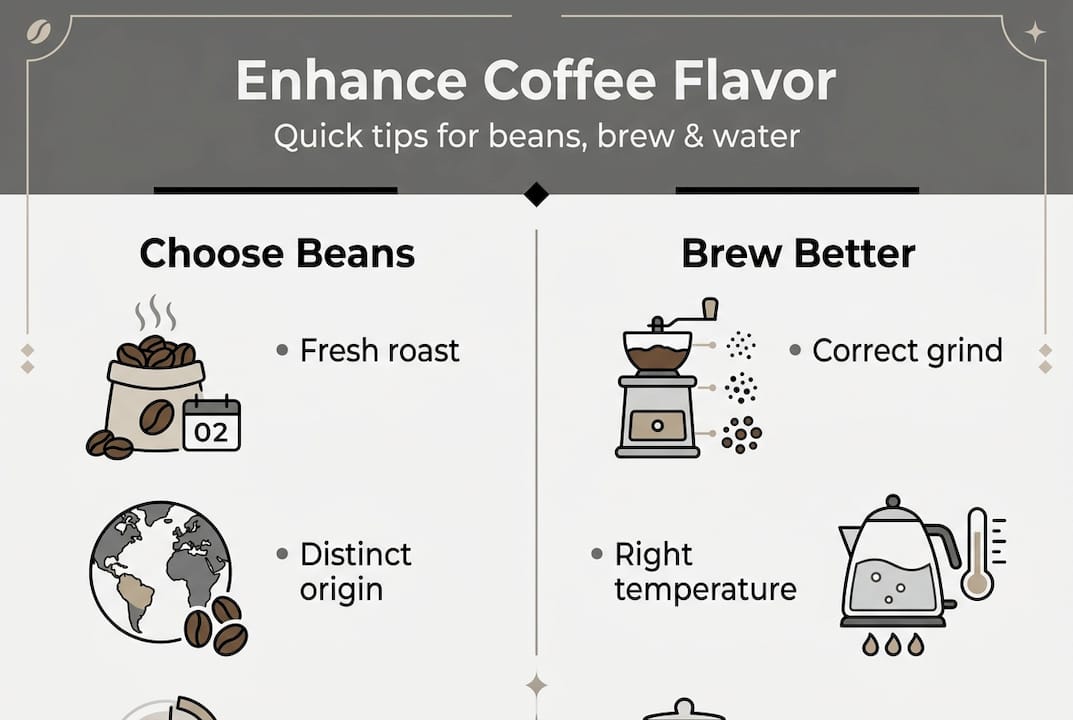
Coffee origin and flavor are deeply connected. Ethiopian coffees often carry berry and jasmine notes. Colombian beans lean toward caramel and mild citrus. Sumatran coffees tend to be earthy and full-bodied. Roast level adds another layer: light roasts preserve the origin’s natural character, medium roasts balance brightness with body, and dark roasts emphasize bold, smoky depth.
Here’s a quick reference for pairing bean types with grind sizes:
| Brewing method | Recommended grind | Flavor result |
|---|---|---|
| Espresso | Fine | Intense, concentrated |
| Pour-over | Medium-fine | Clean, bright, nuanced |
| French press | Coarse | Full-bodied, rich |
| Cold brew | Extra coarse | Smooth, low-acid |
| AeroPress | Medium | Versatile, balanced |
When selecting beans, think about the flavor experience you want:
- Fruity and bright: Ethiopian or Kenyan single-origin, light roast
- Chocolatey and smooth: Colombian or Brazilian, medium roast
- Bold and earthy: Sumatran or Vietnamese, dark roast
- Balanced and approachable: Central American blends, medium roast
Pro Tip: Buy whole beans and grind them right before brewing. Pre-ground coffee loses its aromatic compounds within 15 to 30 minutes of grinding, which means much of the flavor is already gone before it hits your cup. A burr grinder gives you consistent particle size, which leads to even extraction and a noticeably better result.
Now that you’re ready to optimize your coffee’s base ingredients, let’s dive into brewing techniques.
Mastering brewing methods for flavor enhancement
Once you’ve selected your beans and grind, choosing the right brewing technique is the next flavor frontier. Brewing techniques like cold brew, pour-over, and French press each yield distinct flavor profiles, and knowing how to use them correctly makes all the difference.
Here’s how to get the most out of three popular methods:
- Pour-over: Heat water to 200°F (just off the boil). Rinse your filter, add medium-fine grounds at a 1:15 coffee-to-water ratio. Pour slowly in a circular motion, allowing the coffee bloom to develop for 30 seconds before continuing. This degassing step releases CO2 and opens up the grounds for better extraction.
- French press: Use coarse grounds at a 1:12 ratio. Add hot water at 200°F, stir gently, and steep for four minutes. Press slowly and pour immediately to stop extraction.
- Cold brew: Combine extra-coarse grounds with cold, filtered water at a 1:8 ratio. Steep in the refrigerator for 12 to 24 hours. The cold brew process produces a concentrate that’s naturally sweet and low in acidity.
This table compares how each method affects your cup:
| Method | Flavor character | Acidity | Body |
|---|---|---|---|
| Pour-over | Bright, clean, complex | High | Light to medium |
| French press | Rich, bold, textured | Low to medium | Full |
| Cold brew | Smooth, sweet, mellow | Very low | Medium to full |
| Espresso | Intense, layered | Medium | Very full |
Water temperature is often overlooked but critical. Water that’s too hot (above 205°F) over-extracts the grounds, pulling bitter compounds. Too cool (below 195°F) and you get under-extraction, which tastes sour and thin. The sweet spot is 195°F to 205°F for most hot methods. Processing methods and flavor also influence how your beans respond to heat, so natural-processed beans may taste sweeter at slightly lower temperatures.
Pro Tip: Use filtered water for every brew. Tap water with chlorine or heavy mineral content can mask or distort the flavors you’ve worked hard to develop.
With brewing methods mastered, maximizing water quality and equipment is your next step towards flavor perfection.
Optimizing water quality and equipment
Here’s a fact that surprises many coffee lovers: water purity and mineral content are crucial for extracting coffee’s best flavors. Coffee is over 98% water. That means the quality of your water isn’t a minor detail. It’s the dominant ingredient in your cup.
The ideal brewing water has a balanced mineral content. Totally pure distilled water actually produces flat, lifeless coffee because it lacks the minerals needed to carry flavor compounds. On the other hand, water that’s too hard (high in calcium and magnesium) can cause over-extraction and scale buildup in your equipment. A simple carbon filter pitcher or an under-sink filter hits the sweet spot for most home setups.
Beyond water, your equipment matters more than most people realize. Here are the upgrades that deliver the biggest flavor payoff:
- Burr grinder: Produces uniform particle size for even extraction, unlike blade grinders that create inconsistent chunks
- Gooseneck kettle: Gives you precise pour control for pour-over and AeroPress methods
- Digital scale: Removes guesswork from your coffee-to-water ratio
- Temperature-controlled kettle: Lets you dial in the exact water temperature for your brewing method
- Quality brewer: A well-built pour-over dripper or French press maintains consistent heat during extraction
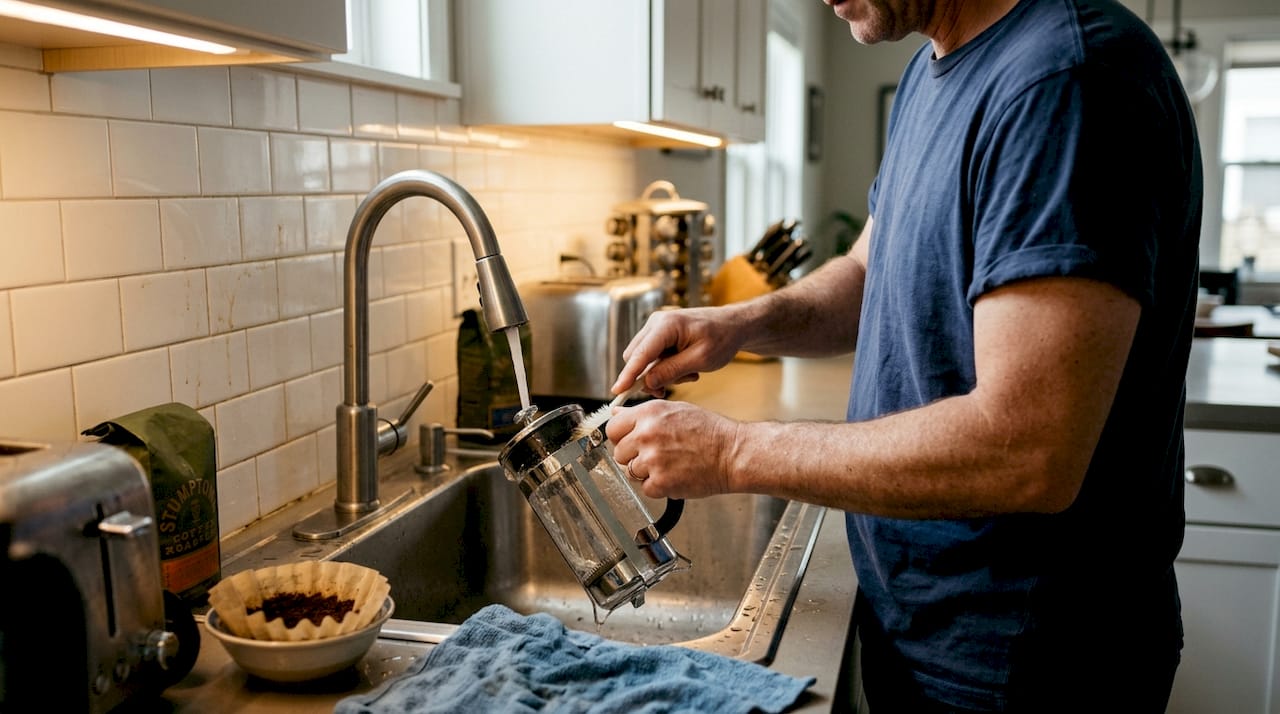
Equipment cleanliness is just as important as the equipment itself. Old coffee oils go rancid quickly and coat the inside of your grinder, carafe, and brewer. These stale oils add a bitter, musty note to even your freshest beans. Keeping your equipment fresh is one of the simplest ways to protect the flavor you’ve invested in.
Pro Tip: Clean your grinder, brewer, and carafe at least once a week. Use a mild dish soap for carafes and a dry brush or grinder cleaning tablets for your burr grinder. A clean setup tastes noticeably better.
Beyond fundamental brewing, creative enhancements introduce another dimension to your coffee experience.
Creative enhancements: pairings, spices, and new trends
Creative flavor pairings and enhancements can unlock new depth and complexity in your cup. Once your brewing fundamentals are solid, this is where coffee gets genuinely exciting.
Spices and add-ins can shift your coffee’s character in subtle but powerful ways. Try these additions in small amounts:
- Cinnamon: Adds warmth and a gentle sweetness without sugar
- Vanilla extract: Rounds out bitterness and adds a creamy note
- Cardamom: Brings a floral, slightly citrusy complexity (common in Middle Eastern coffee traditions)
- Citrus zest: A small strip of orange or lemon peel brewed alongside your grounds brightens the cup
- Mushroom powder: Trending for its earthy depth and potential wellness benefits
- Coconut sugar: Adds caramel-like sweetness with a lower glycemic impact than white sugar
Food pairings are another underused tool for flavor exploration. Coffee flavor pairing ideas show that matching your cup to the right food can amplify both experiences.
“Pairing coffee with chocolate can intensify fruity notes.”
A light Ethiopian roast alongside dark chocolate pulls out berry and floral notes you might miss when drinking the coffee alone. A bold Sumatran pairs beautifully with aged cheese, where the earthy tones in both create a savory, satisfying contrast. Buttery pastries complement medium roasts by softening acidity and highlighting caramel sweetness.
Emerging trends worth exploring include mushroom coffee blends, which layer adaptogenic benefits onto a rich dark roast base, and plant-based creamers made from oat, macadamia, or cashew milk that add creaminess without overpowering delicate flavor notes.
Pro Tip: Start with a pinch. When adding spices, less is almost always more. A quarter teaspoon of cinnamon per cup is enough to notice the effect without overwhelming the coffee’s natural character. Add, taste, and adjust from there.
Our take: flavor mastery comes from curiosity
Most coffee advice focuses on rules. Use this ratio. Brew at this temperature. Follow this method. And yes, those fundamentals matter. But the coffee lovers who develop truly exceptional taste aren’t the ones who follow instructions perfectly. They’re the ones who stay curious and keep experimenting.
The most interesting cups we’ve encountered came from unexpected combinations: a natural-processed Ethiopian brewed cold, a dark roast with a pinch of cardamom, a medium Colombian paired with a square of salted caramel chocolate. None of those discoveries came from a recipe. They came from a willingness to try something different.
Conventional wisdom says to find your method and stick to it. We’d push back on that. Locking into one approach too early limits your palate. Rotating through different coffee varietals and brewing methods trains your taste buds to detect subtleties you’d otherwise miss.
Pro Tip: Keep a simple tasting journal. Note the bean origin, roast, brewing method, and any enhancements you used. After a few weeks, patterns emerge and you’ll know exactly what combination produces your ideal cup.
Explore exceptional coffees and tools at Z’s Coffee
Ready to try these tips hands-on? Z’s Coffee makes it easy to put this knowledge into practice with a curated selection of specialty coffees and brewing tools built for flavor-focused enthusiasts.

If you want to experience the smooth, low-acid magic of long-steep extraction, our cold brew coffee is a great starting point. Curious about the mushroom coffee trend? Our mushroom coffee dark roast blends rich, bold flavor with earthy adaptogenic depth. And if you’re taking your coffee on the road, our travel mug with a handle keeps every carefully brewed cup at the perfect temperature. Explore the full range and find your next favorite.
Frequently asked questions
What grind size is best for enhancing coffee flavor?
The ideal grind size depends on your brewing method. Use a fine grind for espresso and a coarse grind for French press to maximize flavor extraction and avoid over or under-extraction.
How does water quality affect coffee taste?
Filtered water free from excess minerals and impurities produces clearer, richer coffee flavors. Water purity and mineral content are key factors in how well your grounds extract.
Can adding spices or flavors improve my coffee?
A pinch of cinnamon or a drop of vanilla extract can create new flavor depths without overpowering your brew. Spices and enhancements add complexity when used in small, intentional amounts.
What is the best brewing method for strong coffee flavor?
Pour-over and cold brew are popular for producing clear, nuanced flavors, while French press delivers bold body. Different brewing methods yield different profiles, so experimenting is the best way to find your preference.
How often should I clean my coffee equipment?
Clean your equipment at least once a week to prevent oil buildup and preserve optimal flavor. Neglecting equipment is one of the most common causes of unexplained bitterness in an otherwise solid brew.