TL;DR:
- Filter coffee encompasses diverse brewing methods like pour-over, cloth, and metal filters, each influencing flavor and mouthfeel significantly. The choice of filter material affects oil retention, sediment, and aromatic expression, shaping a unique coffee experience globally. Mastering filter selection and technique allows exploration of a broad spectrum of flavors, making every brew a personalized discovery.
Filter coffee might seem like a simple category. You pour hot water over grounds, it drips through a filter, and you get coffee. But that description barely scratches the surface of one of the most diverse and rewarding brewing traditions in the world. From the cotton cloth filters of Costa Rica to the precise pour-over culture of Japan, filter coffee spans continents, centuries, and a huge spectrum of flavors. This guide will show you exactly what filter coffee is, why the filter you choose matters more than you might think, and how to get the most out of every cup you brew at home.
Table of Contents
- What is filter coffee? Defining the basics
- Types of filters and brewing traditions around the world
- Flavor impact: How filter choice shapes your cup
- Brewing filter coffee at home: Steps and secrets
- Why filter coffee keeps surprising even seasoned enthusiasts
- Take your filter coffee experience further with Z’s Coffee
- Frequently asked questions
Key Takeaways
| Point | Details |
|---|---|
| Definition of filter coffee | Filter coffee covers a wide range of global brewing methods using paper, cloth, or metal filters. |
| Filter type changes flavor | The material of your filter directly affects how coffee tastes and feels in your mouth. |
| Brewing tips matter | Choosing the right grind size, water temperature, and technique is essential for a great cup. |
| Experiment with tradition | Exploring filter methods from different cultures can lead to new and exciting flavor discoveries. |
What is filter coffee? Defining the basics
At its core, filter coffee is made by passing hot water through ground coffee held in a filter, which separates the liquid from the grounds. It sounds straightforward, and in some ways it is. But the range of filters, devices, and techniques that fall under this one category is genuinely impressive.
Filter coffee includes methods like:
- Pour-over (Chemex, V60, Kalita Wave)
- Automatic drip machines
- Cloth filter brewers like Costa Rica’s traditional chorreador
- Metal filter brewers like the Vietnamese phin
- Cold drip towers, where cold water slowly drips through grounds over several hours
Each of these methods qualifies as filter coffee because they all share the same core process: water passes through grounds and a filter medium. What changes is everything else, including the pace of flow, the temperature of the water, the material the filter is made from, and the flavor in the final cup.
Understanding coffee origins and processing is also important here, because the same bean can taste completely different depending on which filter method you use. A washed Ethiopian coffee brewed through a paper pour-over can taste light and floral. The same bean brewed through a metal filter might taste heavier and more complex. The filter is not a neutral variable.
“Not all filtered coffees use paper; some traditions use cloth or metal filters to separate grounds while allowing different levels of oils to pass, changing mouthfeel and sediment.”
That distinction matters more than most home brewers realize. Filters are not just a tool to remove grounds. They are flavor determinants in their own right.
Types of filters and brewing traditions around the world
Once you understand that filter coffee is a broad category, the global picture becomes fascinating. Different cultures developed their own filter traditions long before specialty coffee became a global trend, and many of those traditions survive because they produce a genuinely distinctive cup.
Paper filters are the most common in Western households and specialty cafes. They trap almost all of the coffee’s natural oils and fine particles, producing a clean and transparent cup. The Japanese pour-over tradition, which took off in the 1960s and has since influenced cafes worldwide, relies on precise paper filters and careful pouring technique to bring out brightness and delicate aromatics.
Cloth filters have a long history across Latin America and parts of Asia. Costa Rica’s chorreador uses a reusable cotton sock-like filter that allows a controlled amount of coffee oil to pass through, leaving a light crema on the surface and producing a smoother, more balanced cup. This brewing method has been used in Costa Rican households for generations and is considered central to the country’s coffee culture.
Metal filters, including the Vietnamese phin and some French press-adjacent devices, allow the most oils and fine particles through. The phin is a small aluminum or stainless steel drip filter that sits on top of a cup. Hot water is added slowly, and coffee drips through at its own pace. The result is a heavy, rich, and deeply aromatic cup. Vietnamese coffee is often mixed with sweetened condensed milk, partly to balance that intensity.
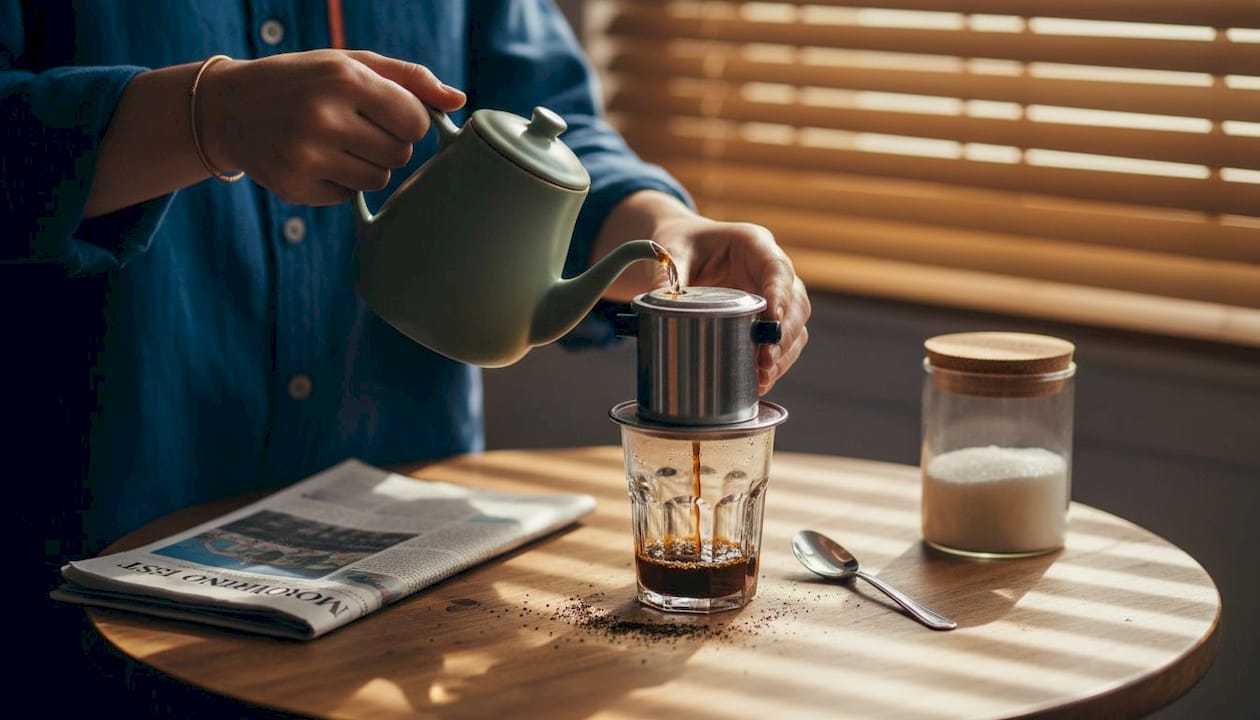
Here’s a quick comparison of how these three filter types stack up:
| Filter type | Oil retention | Sediment level | Flavor character | Examples |
|---|---|---|---|---|
| Paper | High (removes oils) | Very low | Clean, bright, crisp | Pour-over, drip machines |
| Cloth | Medium | Low | Smooth, balanced, silky | Chorreador, sock filters |
| Metal | Low (passes oils) | Medium to high | Rich, full-bodied, bold | Phin, reusable mesh filters |
The processing methods and clarity of your beans interact directly with your filter choice. A naturally processed coffee already carries heavy fruit and body, so pairing it with a metal filter can tip the balance toward overwhelming intensity. A washed coffee paired with cloth might be the sweet spot for clarity without losing depth. These pairings are worth experimenting with, and you can draw inspiration from flavor pairing ideas to guide your choices.
Flavor impact: How filter choice shapes your cup
Let’s get into the specifics of what each filter actually does to your flavor experience, because this is where most people are leaving quality on the table.
Coffee contains hundreds of aromatic compounds and natural oils. When you brew, not all of them make it into your cup. What gets filtered out changes your perception of the coffee’s body, sweetness, acidity, and aftertaste.
| Filter type | Oils in cup | Mouthfeel | Common flavor notes |
|---|---|---|---|
| Paper | Very few | Light, tea-like | Citrus, florals, clean sweetness |
| Cloth | Some | Medium, silky | Stone fruit, caramel, mild richness |
| Metal | Many | Heavy, coating | Dark fruit, chocolate, earthy depth |
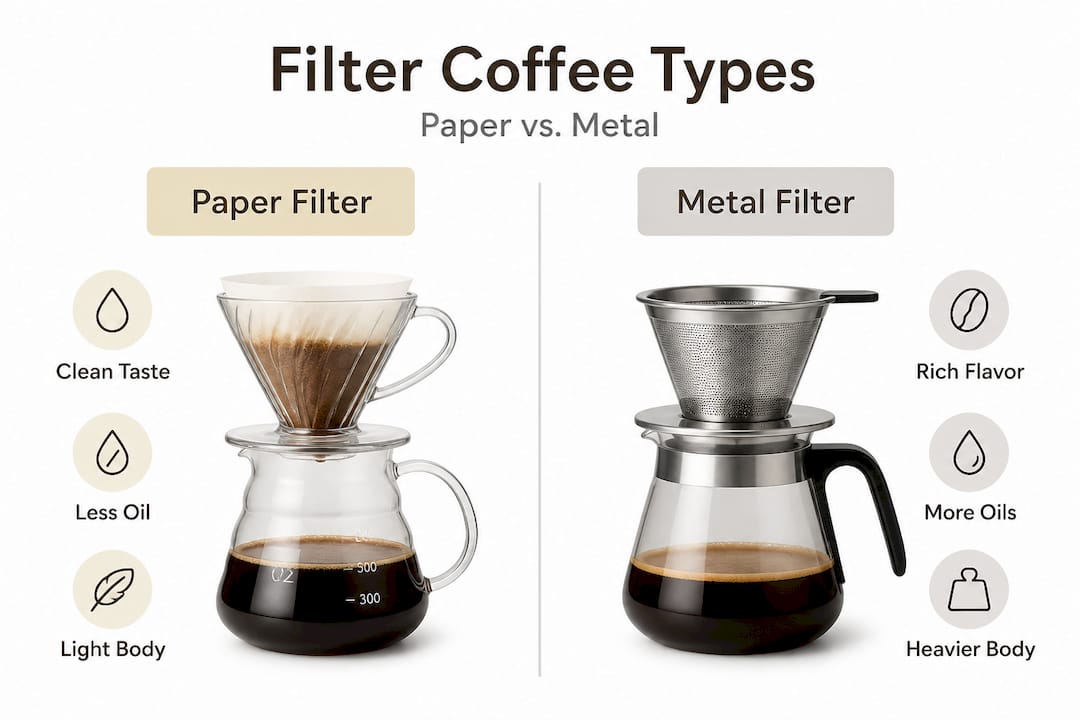
Paper filters also trap diterpenes, which are compounds in coffee oil linked to raising LDL cholesterol. If you are drinking multiple cups a day, using a paper filter is the lowest-impact option from a health standpoint. With metal filters, those oils pass freely into your cup, which contributes to both richness and those compounds.
Cloth filters sit in the middle. They let enough oil through to create a satisfying body, but they trap enough sediment to keep the cup clear. That is why cloth-filtered coffee often feels elegant rather than heavy.
Here’s how to adjust your brewing to shift flavors in the direction you want:
- For more brightness: Use a paper filter, lighter roast, finer grind, and slightly cooler water (around 195°F)
- For more body: Use a metal filter, medium roast, and slightly coarser grind with a longer brew time
- For balance: Use a cloth filter, medium roast, and keep your water ratio consistent
Pro Tip: If you are tasting coffee for flavor and want to isolate the filter’s effect, brew the same coffee on the same day using two different filter types. Keep everything else identical. The difference will be immediately clear and surprisingly large.
Knowing how each filter interacts with your beans also helps you enhance your coffee’s flavor without spending more money on gear. The filter you already own might be the first variable to revisit.
Brewing filter coffee at home: Steps and secrets
Now that you understand how filters shape flavor, here is a solid, repeatable process for brewing great filter coffee at home. These steps apply to pour-over and drip methods, but the principles transfer to cloth and metal filter setups too.
Step-by-step brew guide:
- Start with fresh beans. Grind size and bean freshness affect extraction more than almost anything else. Use beans roasted within the past two to four weeks for the best flavor.
- Grind to medium. For most filter methods, a medium grind (similar to coarse sand) works well. Finer grinds increase extraction and can taste bitter; coarser grinds decrease extraction and can taste weak.
- Heat your water correctly. Target between 195 and 205 degrees Fahrenheit. Boiling water (212°F) can scorch grounds; water that is too cool under-extracts and tastes flat.
- Use the right ratio. A good starting point is 1:15 to 1:17, meaning one gram of coffee for every 15 to 17 grams of water. This gives you a balanced, medium-strength brew.
- Pre-wet your filter. Run hot water through the filter before you add grounds. This removes any papery taste from paper filters and preheats your brewer so the temperature stays stable.
- Bloom your grounds. Add about twice the weight of water to coffee (for example, 30 grams of water for 15 grams of coffee) and let it sit for 30 to 45 seconds. You will see the grounds bubble and puff as CO2 releases. This is called the bloom, and it prepares the grounds for even extraction.
- Pour in slow, steady circles. Whether you are using a pour-over or filling a drip machine’s reservoir, consistency matters. Pour slowly and evenly to saturate all the grounds.
- Total brew time: Aim for three to four minutes for most filter methods. Under two minutes usually means under-extraction (too coarse or too fast). Over five minutes suggests over-extraction (too fine or too slow).
As Food & Wine notes, some traditions use cloth or metal filters rather than paper, which changes the oils and sediment in your cup. If you switch to a cloth or metal filter, you may want to adjust your grind slightly coarser to compensate for the slower flow rate.
Common mistakes to avoid:
- Skipping the bloom: Grounds that are not bloomed tend to extract unevenly, leading to flat or sour notes
- Using tap water without filtering it: Chlorine and minerals in tap water directly affect flavor; filtered water makes a noticeable difference
- Ignoring equipment cleanliness: Coffee oil residue on your brewer or filter holder turns rancid fast, adding bitter off-flavors to every brew
- Storing beans in the freezer incorrectly: Whole beans can be frozen, but only if they are airtight; moisture from thawing damages flavor quickly
- Grinding too far in advance: Ground coffee goes stale within 30 minutes of grinding
Pro Tip: Use fresh, filtered water every time. For deeper coffee extraction techniques, experiment with your pour speed. A slower, more deliberate pour increases contact time and can draw out more nuanced flavors from lighter roasts.
Why filter coffee keeps surprising even seasoned enthusiasts
Here is something the coffee world does not say often enough: there is no single “best” filter method. Specialty coffee culture sometimes acts like the V60 paper pour-over is the pinnacle and everything else is a compromise. That framing is both wrong and limiting.
We have seen experienced home brewers with top-tier equipment overlook a Vietnamese phin or a Costa Rican chorreador, assuming that cloth or metal is somehow less refined. Then they try one, and the experience resets what they thought they knew. The richness from a phin-brewed cup has a tactile quality that paper simply cannot produce. The balance from a cloth-filtered chorreador sits in a place between espresso and pour-over that no paper filter can quite match.
The bigger insight here is that your palate should drive your choices, not convention. And your palate changes. A coffee drinker who prefers clean, bright cups at 25 might find that they want more body and depth at 35. Filter coffee lets you evolve without switching to a completely different brewing category.
What keeps filter coffee exciting is also the ritual. The act of weighing grounds, timing the bloom, and watching the coffee draw down through a filter creates a mindful pause in a busy day. That ritual is different for every filter type, and trying a new one genuinely changes the experience.
Understanding why coffee origin matters makes every filter experiment more meaningful, because you start to see how the same terroir expresses itself differently depending on how you brew it. Pair that curiosity with solid coffee education resources and you will never run out of interesting questions to explore.
The real joy of filter coffee is not mastering one technique. It is realizing that each method is a different conversation with the same ingredient.
Take your filter coffee experience further with Z’s Coffee
Ready to put what you have learned into practice? Great filter coffee starts with great beans, and having the right brewing supplies makes every session more rewarding.
At Z’s Coffee, you will find specialty coffee from origins around the world, carefully selected for home brewers who want to taste the difference that quality and freshness make. Whether you are experimenting with different filter types, trying a new roast profile, or looking for your next everyday brew, Z’s Coffee has options to match your curiosity. If you want something easy and ready to go, the cold brew coffee and instant coffee selections give you flavor and convenience without compromise. Explore the full range and find the beans and brewing tools that fit your style.
Frequently asked questions
Is filter coffee the same as drip coffee?
Drip coffee is one popular kind of filter coffee, but filter coffee also covers other brewing methods using paper, cloth, or metal filters for a range of tastes. As Food & Wine explains, cloth and metal filters are used in many traditions alongside paper.
Does filter coffee taste different depending on the filter type?
Yes, paper filters create a cleaner, brighter flavor, while cloth and metal filters allow more oils through and change the mouthfeel and richness significantly. This is why the chorreador’s cloth filter produces a noticeably smoother cup than a standard drip machine.
Can I use any ground coffee for making filter coffee?
You can use any ground coffee, but a medium grind usually gives the best results for most filter methods, since it balances extraction speed and contact time effectively.
What’s the best temperature for brewing filter coffee?
The ideal water temperature is between 195 and 205 degrees Fahrenheit for optimal extraction without scalding or under-developing the grounds.
Are reusable filters better for the environment?
Reusable cloth or metal filters create significantly less waste than single-use paper filters over time. Costa Rica’s chorreador cloth filter is a great example of a reusable option that also improves cup quality.