TL;DR:
- Drinking 3 to 4 cups of coffee daily optimizes health benefits while minimizing risks.
- Consuming coffee in the morning aligns with circadian rhythms and supports better sleep quality.
- Using paper filters and choosing light roast, specialty beans enhances coffee’s health-supportive compounds.
You love your daily coffee, but somewhere between the first sip and the fifth cup, a nagging question creeps in: is this actually good for me? The good news is that coffee, when consumed with a few smart habits, is one of the most studied health-supportive beverages on the planet. The challenge is sorting out which habits genuinely move the needle from those that are just trendy noise. This guide walks you through the most evidence-backed practices, from how much you drink to what you put in it, so you can enjoy every cup with confidence.
Table of Contents
- Start with the right amount: Moderation is key
- Drink your coffee in the morning for maximum benefit
- Brew smart: Choose paper filters and specialty beans
- Keep it clean: Limit sugar, enjoy coffee black or lightly sweetened
- Explore specialty practices: Light roast and mushroom coffee
- Healthy coffee habits: Beyond the trends
- Bring healthy habits home with Z’s Coffee
- Frequently asked questions
Key Takeaways
| Point | Details |
|---|---|
| Stick to moderation | Drinking 2-4 cups of coffee daily delivers health gains but more can undermine benefits. |
| Choose paper filters | Opt for drip or pour-over brewing to cut cholesterol-raising compounds. |
| Limit sugar and additives | Drinking coffee black or lightly sweetened maximizes its protective effects. |
| Morning is best | Enjoying coffee early leverages your body’s natural rhythm and boosts health results. |
| Quality matters | Specialty light-roast coffee offers more healthy antioxidants and gut-friendly compounds. |
Start with the right amount: Moderation is key
Before you optimize anything else, you need to know your baseline. How much coffee is actually healthy? The answer is clearer than most people expect, and it might surprise you.
For healthy adults, the sweet spot is 3 to 4 cups per day, which translates to roughly 400mg of caffeine. Research consistently shows that moderate coffee intake at 2 to 4 cups daily lowers mortality risks across multiple causes. That is a remarkable finding for something most of us already do every morning.
Push past that threshold, though, and the benefits start to erode. Drinking more than 5 cups a day can trigger anxiety, disrupt sleep cycles, and over time may affect bone density, particularly in people who already have low calcium intake. The FDA’s caffeine guidelines for healthy adults cap the safe daily limit at 400mg, which is roughly four standard 8-ounce cups of drip coffee.
For pregnant or breastfeeding individuals, the limit drops significantly. Staying under 200mg per day is the widely recommended threshold to minimize risk to fetal development and infant health.
Here is a quick breakdown of what moderation looks like in practice:
- 1 to 2 cups: A conservative, safe range for most people, including those sensitive to caffeine
- 3 to 4 cups: The optimal range for healthy adults seeking maximum health benefit
- 5+ cups: Risk territory for anxiety, poor sleep, and diminishing returns on health benefits
- Under 200mg (1 to 2 small cups): Recommended for pregnant or breastfeeding individuals
Pro Tip: If you are tracking caffeine, remember that espresso shots are concentrated but smaller in volume. A double shot of espresso has roughly 120 to 130mg of caffeine, less than a 12-ounce drip coffee.
Once you know your ideal range, the next step is choosing the right beans. A solid coffee brewing guide can help you understand how brew method affects caffeine extraction, and choosing coffee beans wisely sets the foundation for every habit that follows.
Drink your coffee in the morning for maximum benefit
Once the right amount is set, when you drink your coffee can make a surprising difference. Timing is not just a productivity hack. It is a genuine health lever.
Your body operates on a circadian rhythm, a roughly 24-hour internal clock that governs everything from hormone release to inflammation response. Caffeine works best when it aligns with this rhythm. In the morning, cortisol levels are naturally rising, and caffeine amplifies that alertness without fighting your biology. Drink it in the afternoon or evening, and you are working against your own sleep architecture.
“Morning coffee drinkers saw a 16% lower risk of all-cause mortality compared to those who spread consumption throughout the day.”
That is not a small number. A 16% reduction in all-cause mortality simply from shifting when you drink your coffee is one of the most actionable findings in recent nutrition research.
Afternoon coffee also delays melatonin production, the hormone that signals your body to prepare for sleep. Even if you fall asleep fine, caffeine consumed six hours before bed measurably reduces sleep quality. Poor sleep then undermines the very health benefits you are trying to build.
Here is how to build a sustainable morning coffee routine:
- Wait 90 minutes after waking before your first cup. This lets cortisol peak naturally before caffeine steps in, preventing tolerance buildup.
- Set a hard cutoff at 1 to 2 p.m. This gives caffeine enough time to clear your system before bedtime for most people.
- Pair your coffee with breakfast or a light snack to slow caffeine absorption and reduce the chance of stomach irritation.
- Brew at home to control quality, timing, and ingredients. Learning to master home brewing gives you full command over your morning ritual.
Consistency matters more than perfection here. A reliable morning routine trains your body to expect and process caffeine efficiently, which compounds the health benefits over time.
Brew smart: Choose paper filters and specialty beans
With your timing set, your next crucial choice is the brewing method and beans you use. This is where many coffee drinkers leave serious health benefits on the table.
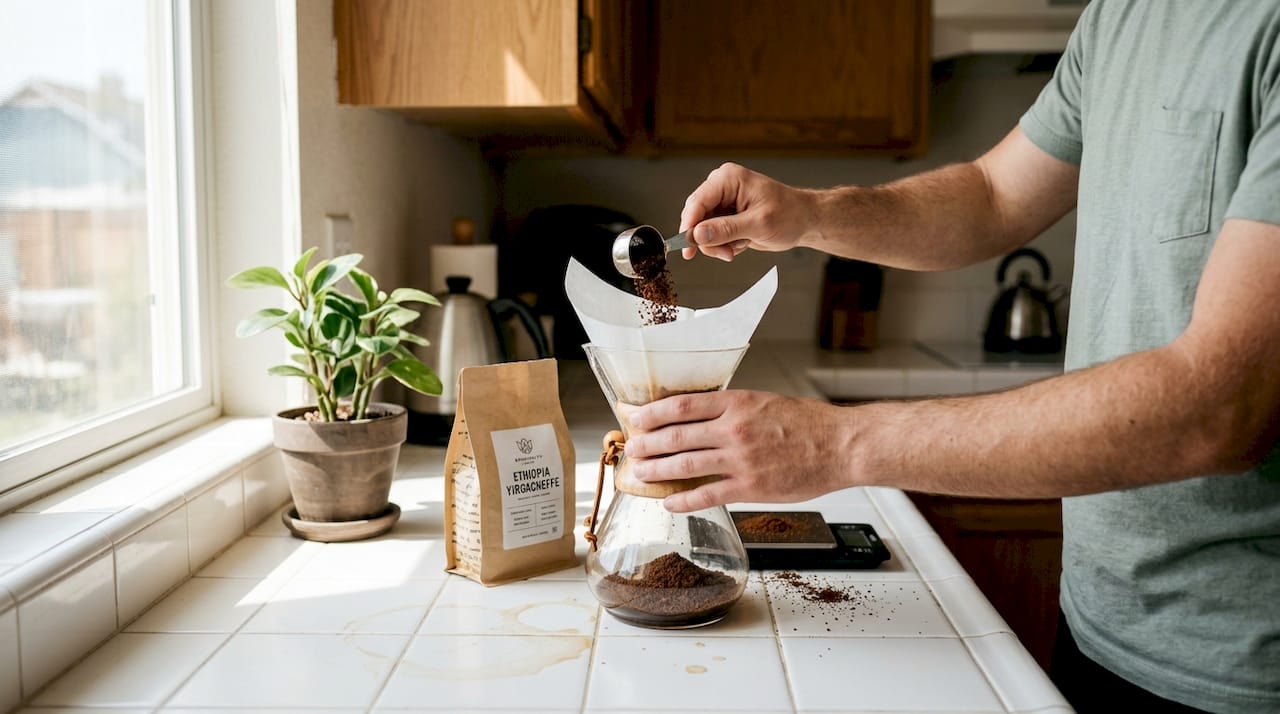
The key issue is a compound called cafestol, a diterpene found naturally in coffee oils. Cafestol raises LDL cholesterol, the kind associated with cardiovascular risk. Unfiltered brewing methods like French press, espresso, and Moka pot allow cafestol to pass directly into your cup. Paper filters significantly reduce these cholesterol-raising compounds by trapping the oils before they reach your mug.
This does not mean you need to abandon your French press forever. But if heart health is a priority, drip coffee and pour-over are your best friends.
| Brewing method | Filter type | Cafestol level | Heart health rating |
|---|---|---|---|
| Drip coffee | Paper | Very low | Excellent |
| Pour-over | Paper | Very low | Excellent |
| French press | None (metal mesh) | High | Moderate concern |
| Espresso | None (pressurized) | Moderate | Use in moderation |
| Cold brew | Varies | Low to moderate | Good with paper filter |
Beyond the filter, the beans themselves matter. Specialty coffee and light roasts boost polyphenols, the antioxidant compounds responsible for many of coffee’s health benefits. Specialty-grade beans (those scoring 80 or above on the Specialty Coffee Association scale) are grown and processed to preserve more of these compounds.
Lighter roasts retain more chlorogenic acids, a type of polyphenol that supports blood sugar regulation and gut health. Darker roasts taste bolder but lose some of these compounds during the longer roasting process.
- Opt for paper-filtered brewing methods when possible
- Choose specialty-grade beans with an SCA score of 80 or higher
- Lean toward light to medium roasts for maximum antioxidant content
- Store beans properly to preserve freshness and polyphenol integrity
For more on getting the most from your beans, explore tips on enhancing coffee flavor and selecting coffee accessories that support better brewing.
Keep it clean: Limit sugar, enjoy coffee black or lightly sweetened
Once you are brewing smart, the way you finish your cup matters just as much. What you add to your coffee can quietly undo many of its benefits.
The research here is direct. Black or low-sugar coffee delivers the strongest health outcomes across multiple markers, including diabetes risk, inflammation, and all-cause mortality. Sugar, particularly added in large amounts, blunts coffee’s protective effects against metabolic disease.
| Additive | Effect on health benefits | Notes |
|---|---|---|
| No additive (black) | Maximum benefit | Best for most health goals |
| Low-fat milk or oat milk | Neutral to slight positive | Adds protein or fiber |
| Heavy cream | Neutral in small amounts | Adds saturated fat in excess |
| White sugar (1+ tsp) | Reduces metabolic benefit | Blunts insulin sensitivity gains |
| Artificial sweeteners | No added benefit | May affect gut microbiome |
| Flavored syrups | Significant negative impact | High sugar, often high calorie |
Artificial sweeteners are not a clean workaround either. While they are calorie-free, some research suggests they may alter gut bacteria in ways that reduce the metabolic advantages coffee otherwise provides.
Milk and cream, in moderate amounts, are relatively neutral. If you need something in your cup, unsweetened oat milk or a small splash of whole milk is a reasonable choice that does not significantly undermine the benefits.
Pro Tip: If you are transitioning from a heavily sweetened coffee habit, reduce sugar by half a teaspoon each week rather than cutting it cold. Your palate adapts faster than you think, and within a few weeks, you will genuinely prefer less sweetness.
For those who love espresso-based drinks, learning to brew perfect espresso at home makes it easier to control exactly what goes into your cup.
Explore specialty practices: Light roast and mushroom coffee
For those who want to take their coffee health style to the next level, specialty trends can provide added value. Two stand out as genuinely worth your attention.
First, doubling down on specialty and light roast coffee is one of the simplest upgrades you can make. Light roasts preserve more polyphenols, which feed beneficial gut bacteria and support immune function. If you have been drinking dark roast out of habit, switching to a high-quality light roast from a reputable specialty roaster is a meaningful health upgrade with zero sacrifice in enjoyment.
Second, mushroom coffee is worth serious consideration. Blends that combine coffee with functional mushrooms like lion’s mane, chaga, or reishi are growing in popularity, and for good reason. Mushroom coffee adds functional compounds that may benefit cognition and immunity, making it a compelling option for those seeking more from their morning cup.
Here is what to look for when exploring specialty options:
- Light roast, single-origin beans for the highest polyphenol content and traceable quality
- Mushroom coffee blends with clearly labeled mushroom species and extract ratios
- Third-party tested products to ensure you are getting what the label promises
- Gradual introduction of mushroom coffee if you are new to functional blends, starting with one cup per day
For those curious about extraction science, unlocking coffee extraction is a great starting point to understand how roast level and grind size affect what ends up in your cup.
These specialty practices are not replacements for the foundational habits above. Think of them as enhancements layered on top of a solid base.
Healthy coffee habits: Beyond the trends
Here is the perspective that most health content skips over: the healthiest coffee habit is the one you will actually keep. We see a lot of advice that treats coffee optimization like a performance protocol, zero sugar, exact timing windows, mandatory light roast. And while the science behind those recommendations is real, the framing misses something important.
Sustainability beats perfection every time. A person who drinks three black pour-overs a day will get tremendous health benefit. But so will someone who drinks two cups of lightly sweetened drip coffee consistently for 20 years. The compounding effect of a good-enough habit practiced daily crushes the short-term gains of a perfect habit that falls apart after two weeks.
At Z’s Coffee, we work with specialty coffee every day, and the most enthusiastic, healthiest coffee drinkers we know are not the ones obsessing over every variable. They are the ones who genuinely love their ritual, have dialed in a few key habits like morning timing and quality beans, and keep it simple from there. Building home brewing mastery does not have to mean complexity. It means knowing your preferences and executing them consistently.
Pick two or three habits from this guide that feel natural. Build those first. Then layer in more as they become automatic.
Bring healthy habits home with Z’s Coffee
Putting these habits into practice is much easier when you have the right products on hand. Z’s Coffee carries a curated selection of specialty beans and functional blends designed to support exactly the kind of health-conscious coffee routine this guide describes.
Looking for a clean, refreshing option that skips the heat? Our cold brew coffee is a smooth, low-acid choice that pairs perfectly with a morning routine. For those ready to explore functional blends, our mushroom coffee combines rich dark roast with adaptogenic mushrooms for a genuinely different cup. Ready to explore everything we offer? Browse all specialty coffees and find the beans that make your healthiest habits the most enjoyable ones.
Frequently asked questions
Is it healthier to drink coffee black?
Yes. Black or low-sugar coffee provides the strongest health benefits, while added sugar and artificial sweeteners reduce some of the positive metabolic and anti-inflammatory effects.
What brewing method is best for heart health?
Paper-filtered methods like drip or pour-over are best because paper filters trap the cholesterol-raising cafestol compounds that pass freely through metal mesh filters.
Can I drink coffee if I am pregnant?
Yes, but keep it to 1 to 2 small cups per day. Staying under 200mg caffeine daily is the widely recommended limit to protect fetal development and infant health.
Does specialty coffee really make a difference for health?
It does. Specialty and light roast coffees retain more polyphenols and antioxidants than darker commercial roasts, which meaningfully supports gut health and overall well-being.
Recommended
- How to enhance coffee flavor: brew, beans & tips – Z’s Coffee
- Coffee buying guide: expert tips for quality beans in 2026 – Z’s Coffee
- Step by step coffee making: master home brewing – Z’s Coffee
- Coffee blends explained: Unlock richer flavors in 2026 – Z’s Coffee
- 🍫 The Power of Cacao: Nature’s Mood-Boosting Superfood for Mind, Body, – Granavitalis